
QWAQWA – For University of the Free State (UFS) Qwaqwa Campus students Barbra Thejane and Tumelo Motloung, listening to music offers a moment of calm amid the pressure of final examinations, reinforcing the importance of protecting mental health alongside academic success.
Thejane, 22, a fourth-year Bachelor of Education student specialising in Sesotho Home Language in the Foundation Phase, said music helped her settle her nerves while studying, alongside taking notes to improve recall.
“Rather than panicking, I listen to music because it calms me down and settles my nerves. I also write notes to help me recall what I have studied,” she said.
Motloung, 19, who is studying towards a Bachelor of Science in Information Technology, specialising in Computer Science and Management, also turns to music to manage examination stress. He combines this with seeking advice from his parents, who have experienced university life themselves.
“I give myself time to unwind and relax by listening to music because it calms me down. I also call my parents because they went to university, too, and ask them how they coped with examination stress,” he said.
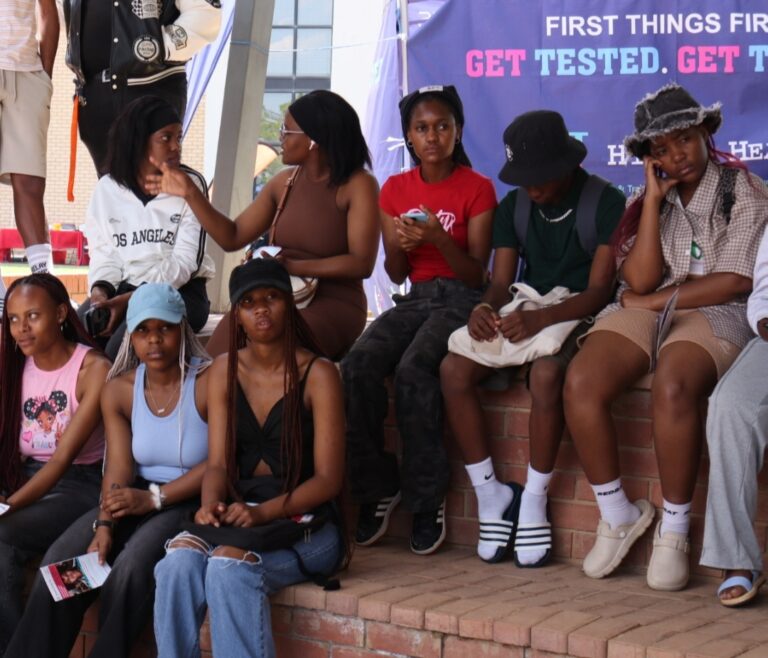
Their coping strategies echo the message delivered by Free State Health MEC Monyatso Mahlatsi during a health awareness engagement at the Qwaqwa Campus, where he urged students to prioritise their holistic wellbeing as examinations approach.
“A university should be a place where young people discover their potential. A university should not be a place where you feel compelled to hide your pain to prove your strength and resilience,” Mahlatsi said.
He acknowledged that students faced pressure from families and society to succeed, often while dealing with financial difficulties and uncertainty about basic needs.
“We never come and check on a young person trying to concentrate on an assignment whilst worrying about where the next meal will come from,” he said.
Mahlatsi reminded students that academic setbacks should not define their future.
“A failed examination and an assignment do not make you a failure. A difficult season should never determine your entire future,” he said, encouraging students to seek help when they needed it.
He emphasised that holistic health extended beyond physical wellbeing to include mental health, social relationships and economic circumstances.
Academic achievement, he said, should not come at the expense of students’ health.
“It doesn’t matter what you achieve in life. You’re not going to enjoy it if you are not healthy,” Mahlatsi said.
As students prepare for their examinations, Thejane and Motloung’s experiences highlight how simple coping strategies, including music, regular breaks and support from loved ones, can help them navigate stress.
Mahlatsi’s message, meanwhile, was that students should never feel they have to face their struggles alone.