
_48-year old had mastectomy during Covid-19, now cancer-free_
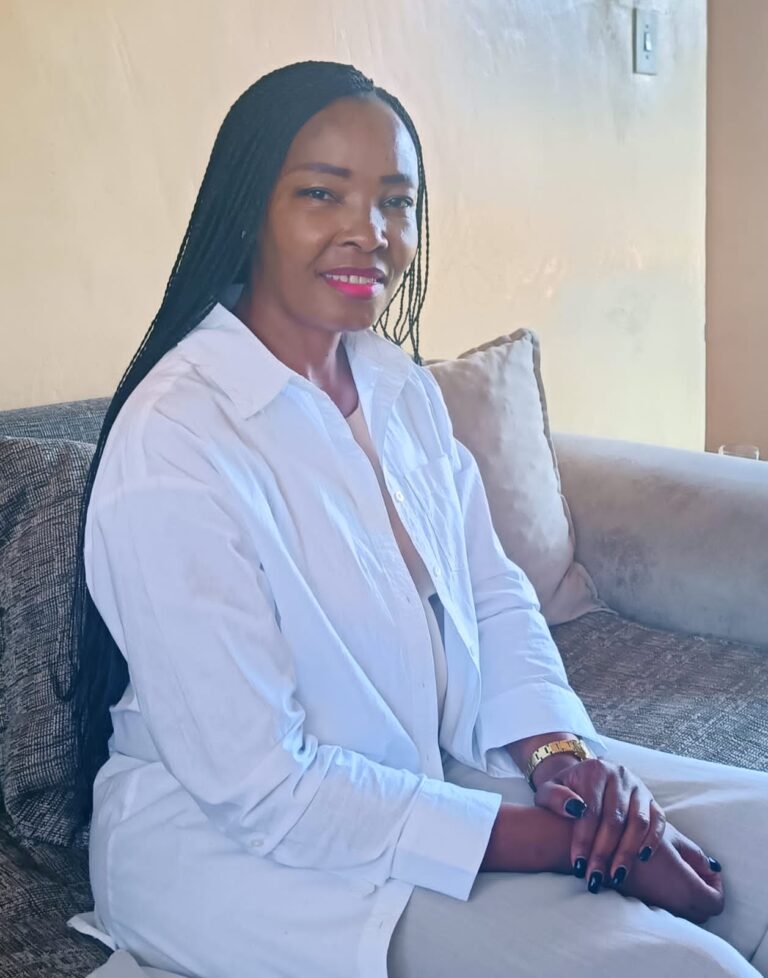
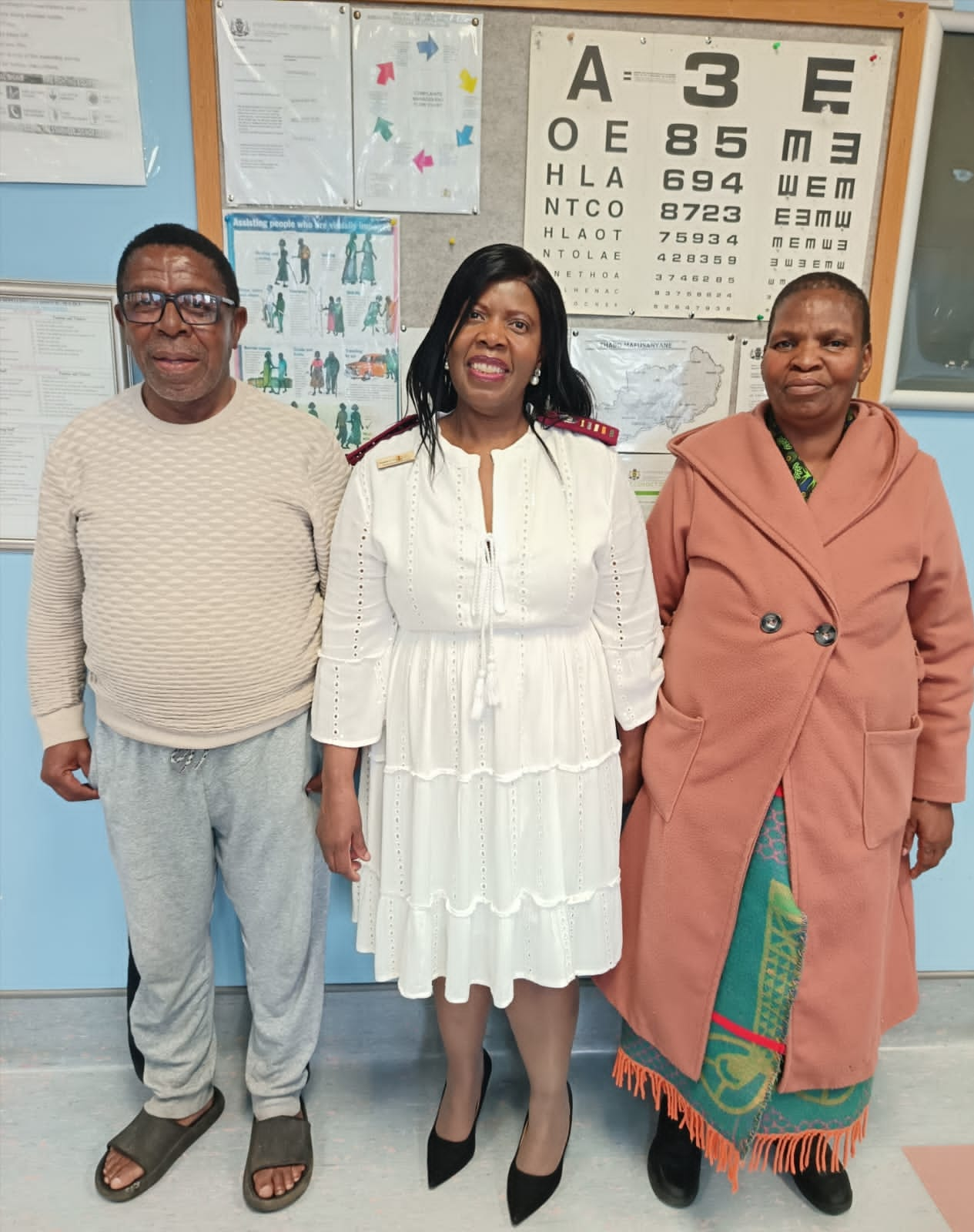
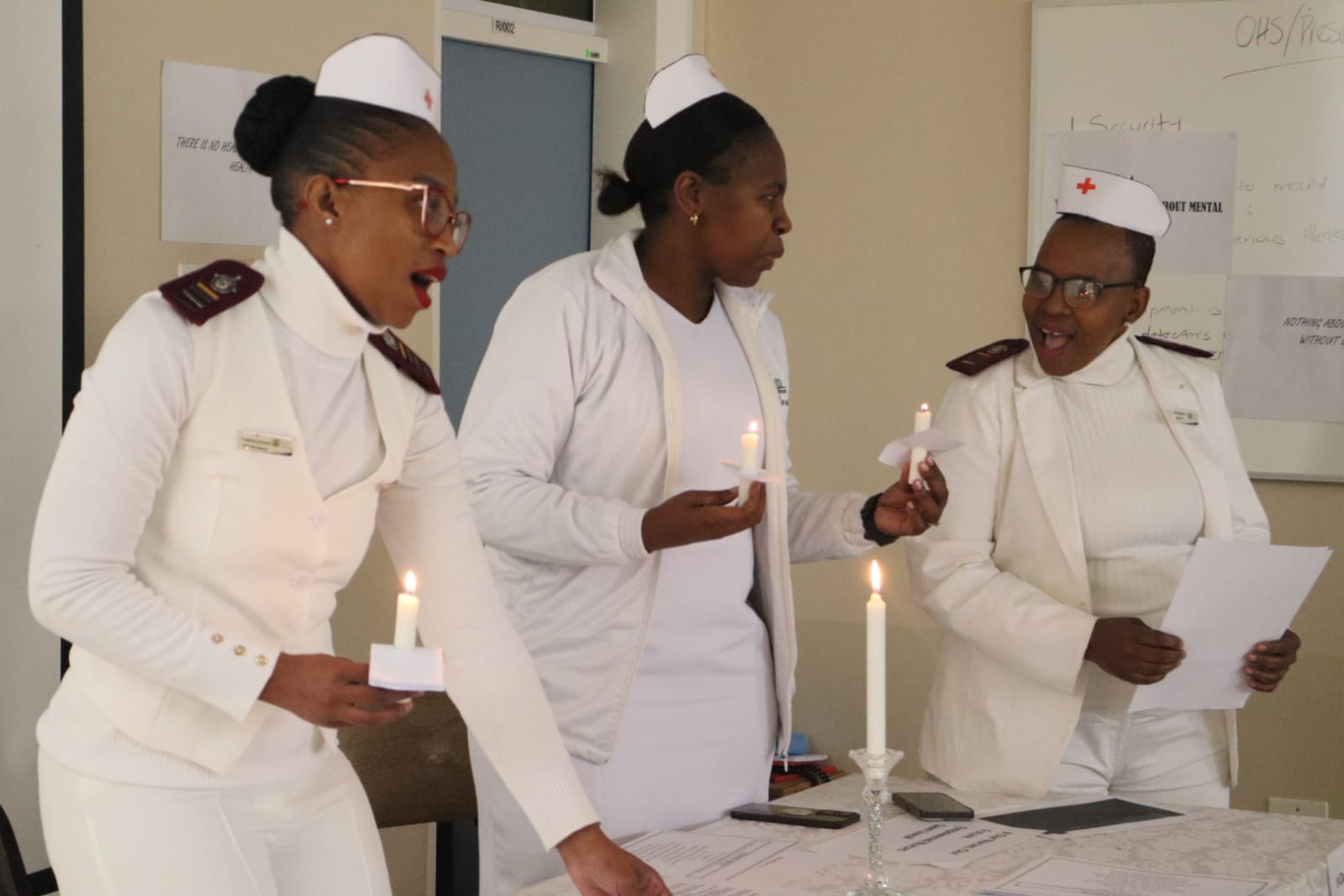
QWAQWA – Professional nurse Zapheza Mamakhooa thought she knew what a lump felt like. She was wrong.
At 42, in March 2020, she was diagnosed with breast cancer – a disease she had no family history of, did not smoke or drink, and as a nurse, thought she would spot early.
Today at 48, she is cancer-free, and her message during Breast Cancer Awareness Month is blunt: Choose life, not looks. Screen now.
“It is funny because, even though I am a nurse, I hardly ever checked myself,” she told _The Guard_ in an exclusive interview.
Mamakhooa, who works at Mofumahadi Manapo Regional Hospital, first had a lump at 18. It was a cyst. So when another lump appeared in early 2020, she dismissed it.
It took an X-ray colleague who forced her to get checked to save her life.
“She checked me and said she had found cysts, but there was another lump she was not sure about. I could tell that she knew something was wrong, but she did not want to tell me at that stage,” she recalls.
She was sent to Bloemfontein for a mammogram on a Monday. On Wednesday, the call came. 051 area code. Breast cancer.
*CHEMO IN A TAXI DURING COVID*
What followed was a race against time – made harder by Covid-19. A mastectomy, then brutal chemotherapy in Bethlehem every two weeks.
Without a car, she depended on colleagues for lifts.
“My colleagues would ask me, ‘I am off today? Are you going? I will fetch you.’ I received so much support,” she says.
Chemotherapy brought nausea and diarrhoea, but it was the emotional decision that nearly broke her. As breadwinner, she hid the diagnosis from her hypertensive mother, afraid the shock would kill her.
“I told my two sons that I was going to Bloemfontein for a mastectomy. When I told my older sister – who usually handles difficult things – she went pale. That is when I decided not to tell my mother.”
She had asked God: “Why me?” Then she corrected herself.
“I thought I was being selfish. Why not me? That change in perspective helped me accept the diagnosis and concentrate on treatment.”
*’LIFE IS BETTER THAN LOOKS’*
Mamakhooa is now off chemotherapy and on lifelong oral treatment. Her tests show she is cancer-free.
But she is angry at what she sees in wards – women arriving too late, some with advanced cancers with a strong, distressing odour, because fear kept them home.
“I am so concerned when women are diagnosed but are afraid to remove the whole breast because they think about how they will look in the mirror or how their partners will perceive them. On a scale, life is better than looks. You have to choose life.”
She also calls on government to fix the system.
“It saddens me because the system is slow to respond to patients. Sometimes treatment comes when people have already lost hope. We all have to go to Bloemfontein for treatment, and appointments take time. It is painful when you are sitting with this disease and there are delays.”
Her final plea:
“Many women are afraid to check themselves and go for screening, and that is what is killing people. I wish more women would screen themselves. A lump should never be dismissed because a previous lump was benign.”