
By Emily Setona
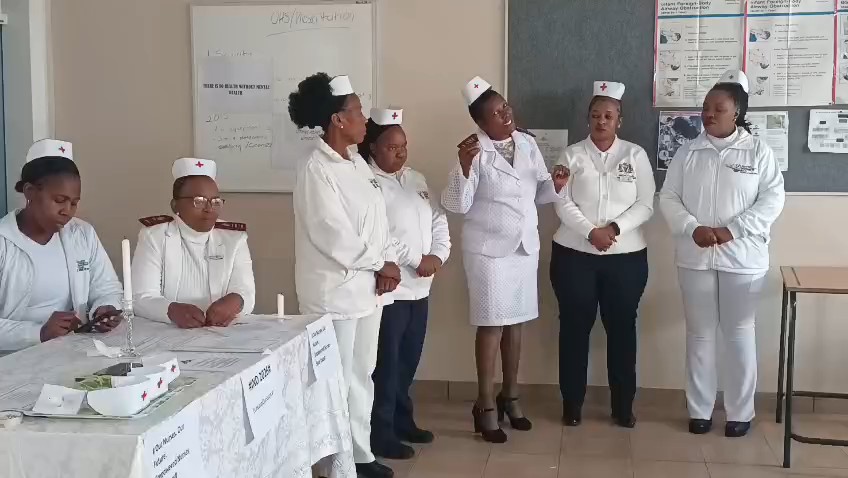
QWAQWA – Nurses at Elizabeth Ross Hospital were honoured during World Nurses Day celebrations on 12 May, with healthcare workers praised for their dedication, compassion and sacrifices in caring for patients under growing pressure in the public health system.
Hospital management used the occasion to salute nurses for their frontline role while calling for greater support, investment and respect for the profession.
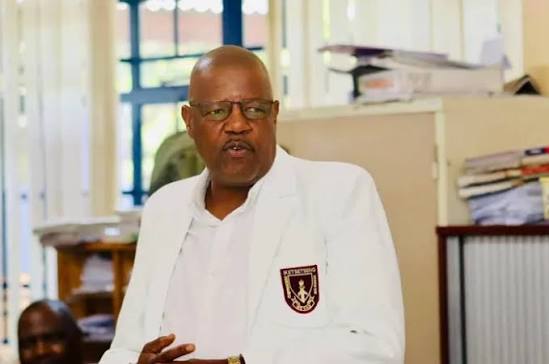
Chief Executive Officer Dr Mohale Setlaba thanked nurses for their tireless commitment to patient care and urged them to continue treating all patients with dignity, regardless of their social or economic status.
“We appreciate the work nurses do every day in caring for our communities,” he said.
Professional nurse Mamphei Mofokeng described nurses as the “heart of the healthcare system”, saying they provide comfort and hope not only to patients, but also to families during difficult times.
“Today we recognise the compassion, dedication and sacrifices nurses make every day,” said Mofokeng.
Nurse manager Mathuta Tsotetsi reflected on the history of nursing and paid tribute to Florence Nightingale, widely regarded as the founder of modern nursing after introducing formal training and scientific healthcare practices in the 19th century.
Tsotetsi highlighted the 2026 International Nurses Day theme, “Our Nurses, Our Future – Empowered Nurses Save Lives,” saying it underscores the urgent need to strengthen and support nurses, particularly in rural healthcare systems battling staff shortages and rising patient demands.
“The theme is a call to recognise, support and empower nurses worldwide so they can continue saving lives and transforming healthcare systems,” he said.
He said empowering nurses includes improving working conditions, ensuring fair remuneration, increasing staffing levels, expanding training opportunities and giving nurses a stronger voice in healthcare leadership and policy-making.
The celebration also highlighted the critical role nurses continue to play in public hospitals, where they are often the first source of care, comfort and hope for struggling patients and families.