
— Widows break silence in QwaQwa… Jobs, estates, and survival — widows confront Premier over years of being overlooked
By Emily Setona
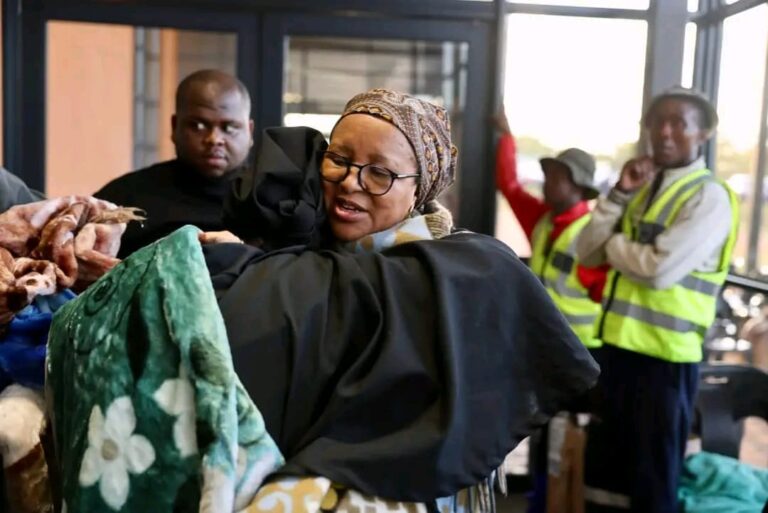
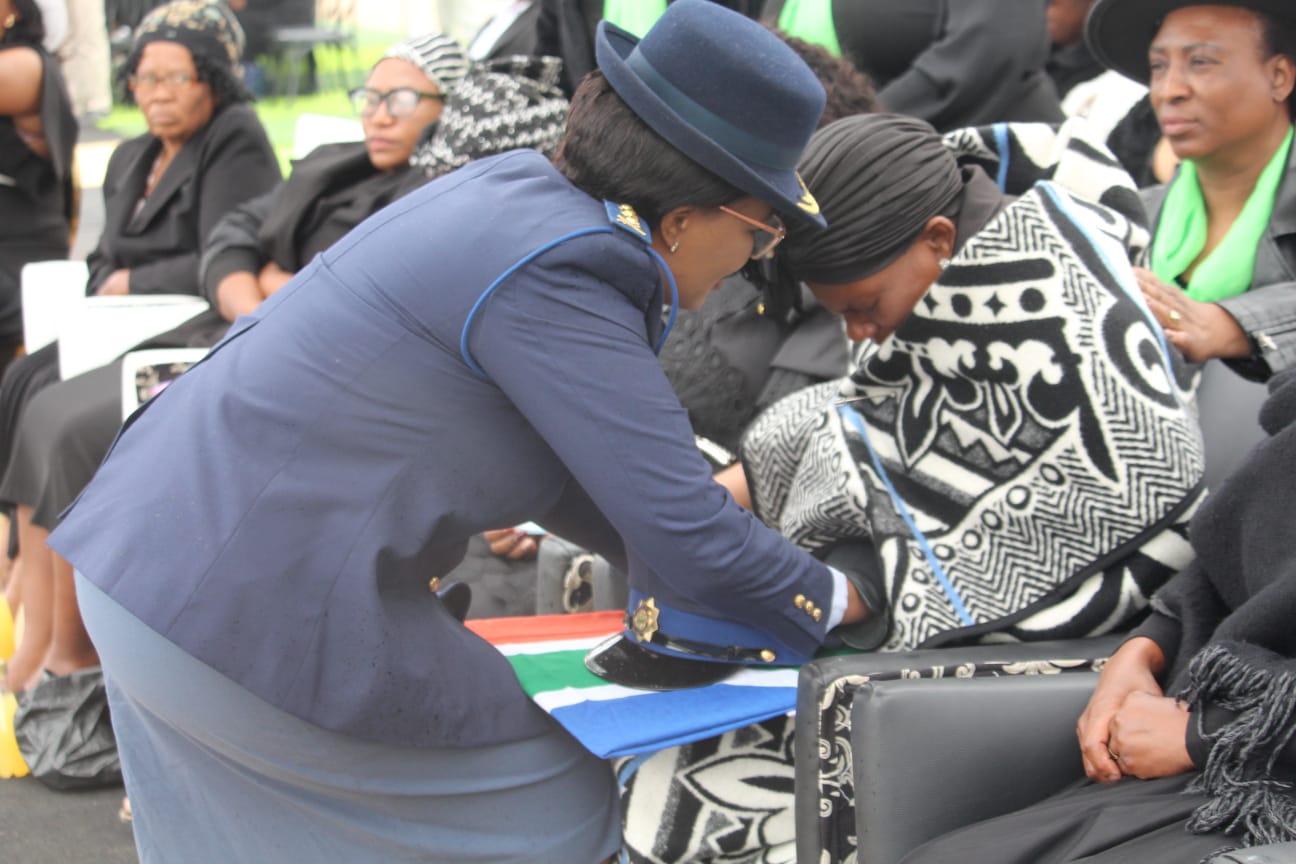
QWAQWA — The Bluegumbosch Multipurpose Hall was packed wall-to-wall on Wednesday — not with politicians, but with widows demanding to be heard.
Hundreds from across Maluti-a-Phofung gathered on 7 October 2026 for a dialogue convened by the Free State Premier’s Office, laying bare years of unemployment, unresolved estates and exclusion from government opportunities.
Premier MaQueen Letsoha-Mathae said her administration could no longer ignore them.
“As the seventh administration, I told my team that no ways, this is Thabo Mofutsanyana District and Maluti-a-Phofung in particular. It does not matter if the call for widows to come out was delayed, but they will come,” Letsoha-Mathae said.
For many, it was the first time government had ever called them into a room.
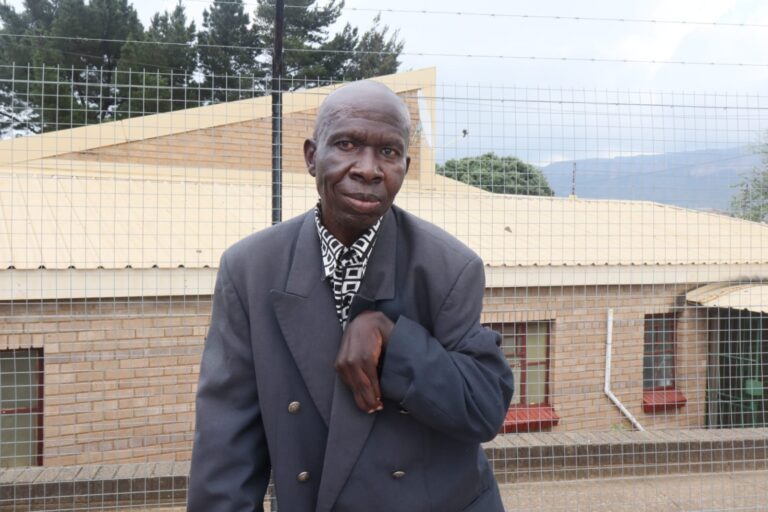
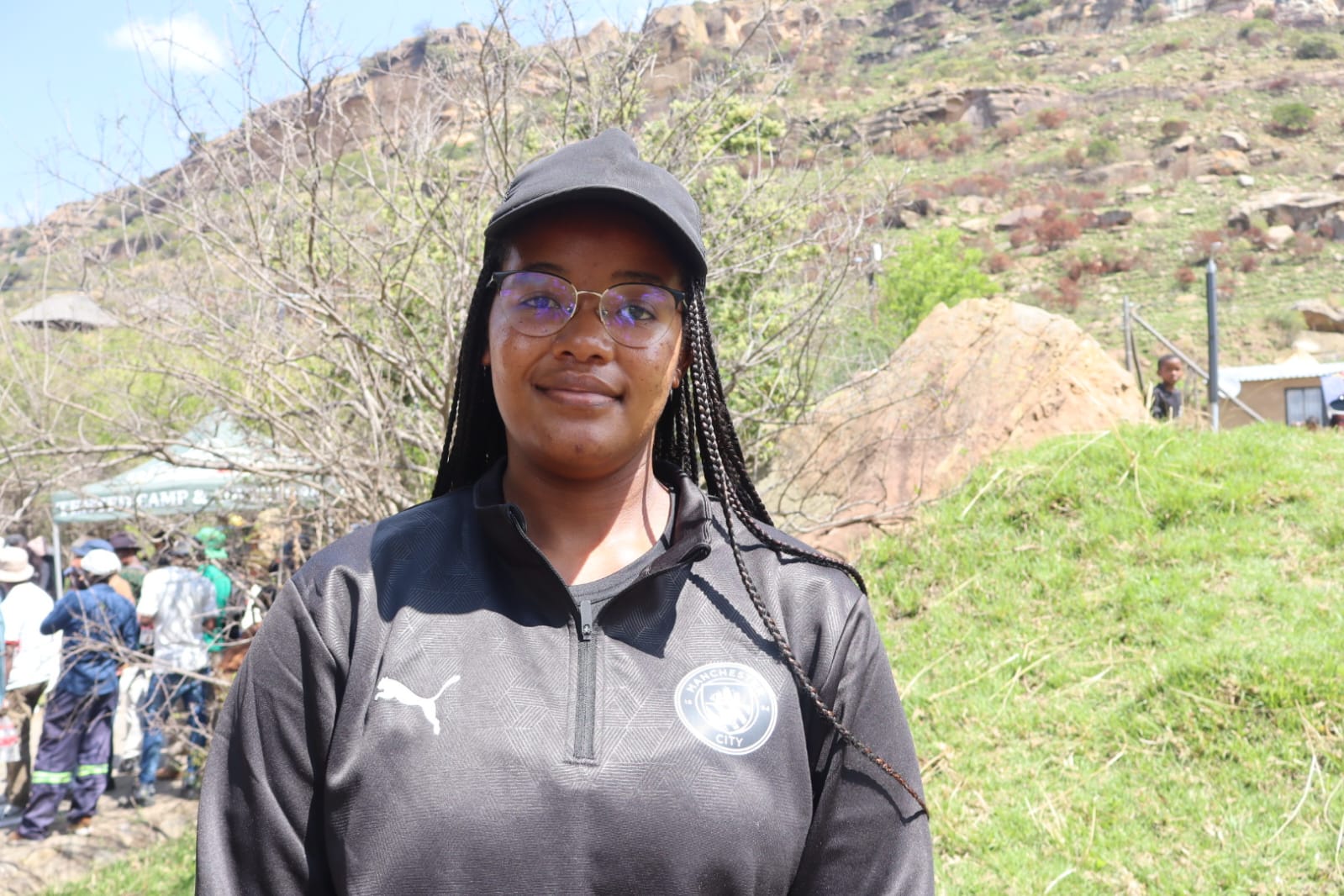
Nobelungu Makhoba, 59, from Bluegumbosch, has been a widow for 18 years. Unemployed, with three unemployed children, she said she came because she had no idea help even existed.
“As widows, we did not know about opportunities. I heard a lot of things being said that I did not know. Like where we should go if we want assistance with planting,” Makhoba said.
“I had four children when my husband died, but one has since passed away. There is no work.”
For others, widowhood left a legal nightmare.
Nthabiseng Rantseke, 37, from Paballong, lost her husband in 2021. He was a taxi driver. Five years later, everything is still in his name.
“My husband was a taxi driver and matters of the estate have been giving me problems. I have been trying to cope, also raising two children who are traumatized by the loss of their father,” Rantseke told The Guard.
“I really want to hear what must I do because everything is still in my husband’s name and no one can help me to transfer things to my name. I am worried about my children when I die.”
Her pain echoed through the hall as widows stood one after another — asking about estates, jobs, farming support and business funding.
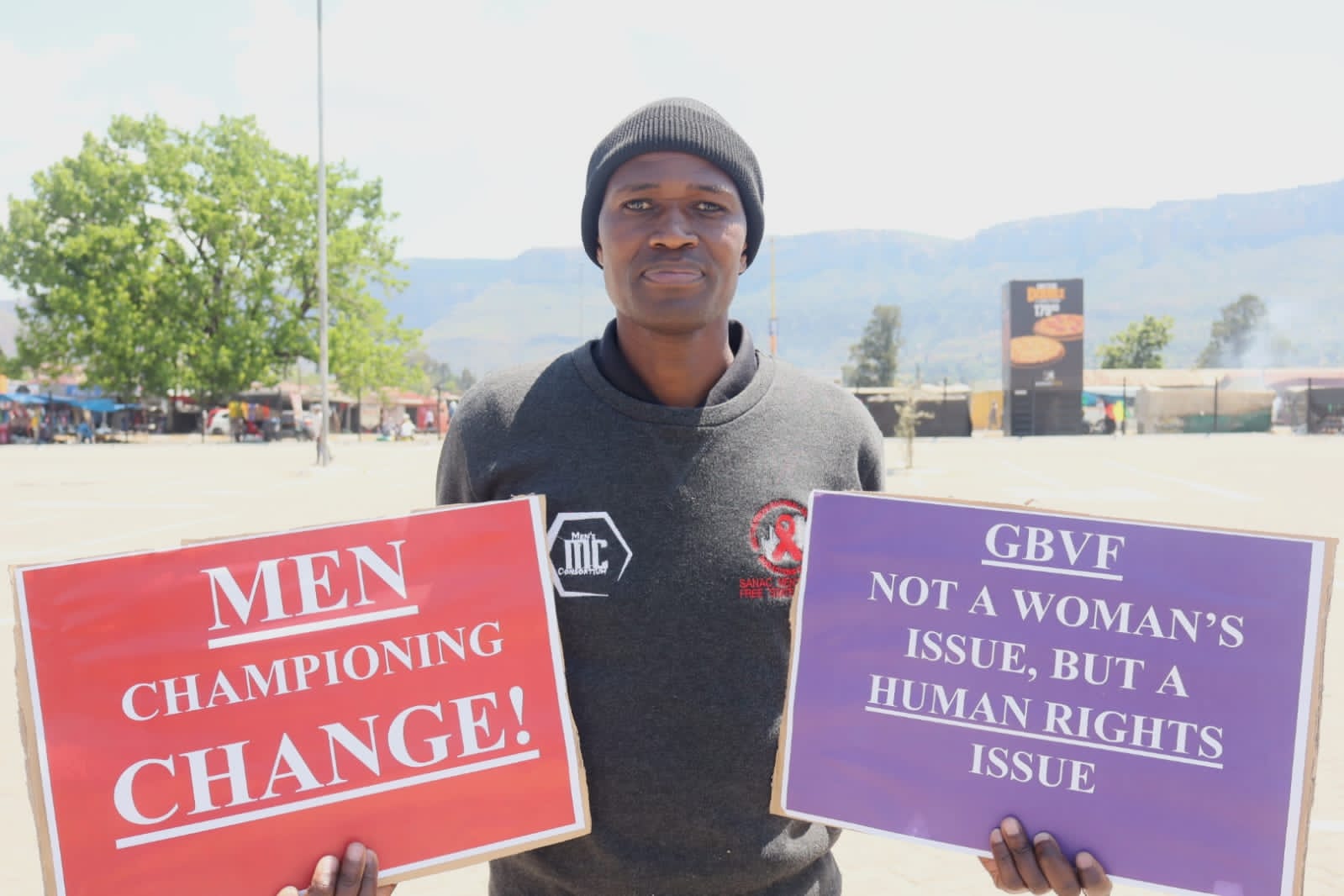
The Premier said the dialogue followed her recent engagement with men’s forums in QwaQwa, and that widows were deliberately prioritised because they are among the most vulnerable.
Government departments and stakeholders were brought in to answer directly.
But for women like Makhoba and Rantseke, the real test is not what was said in the hall — but what happens when the hall empties.
With local government elections weeks away, the Bluegumbosch dialogue has put government on notice: listening is not enough anymore.
The widows have spoken. Now they are waiting to see if anyone will ac