
By Emily Setona
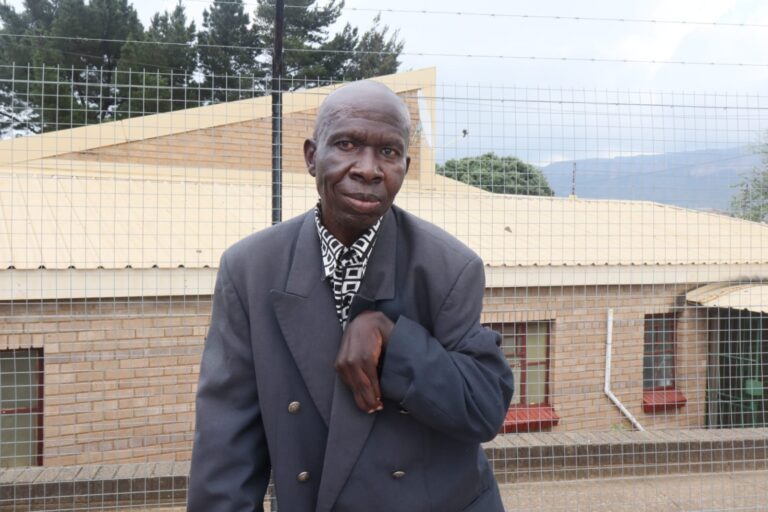
QWAQWA — At 55, Masikilo Patrick Vilakazi knows what it means to live with a disability in Maluti-a-Phofung — locked out of jobs, locked out of training, locked out of decisions about his own future.
Vilakazi, a Ward 25 resident and chairperson of the community-based organisation Socioeconomic Equality and Transformation (SEETA), says people with disabilities remain severely excluded from economic life.
In an exclusive interview with _The Guard_, his message was blunt:
“As people with disabilities, we know our challenges and how to overcome them. We don’t need clever policies developed by those who claim to be wise leaders without our input,” he said.
He said one of the biggest barriers is a dangerous myth — that people with disabilities are difficult or expensive to train.
“There is this misconception that people living with disabilities are difficult to be trained or expensive to be trained. This is not true. We need to be considered, and training institutions should allow us to be part of learnerships and other training programmes,” Vilakazi said.
The same exclusion haunts employment programmes meant to uplift local communities.
“Here in Maluti-a-Phofung, for example, the EPWP programmes, we are often not involved. This must stop,” he said.
For Vilakazi, inclusion is not charity — it is the path to dignity, independence and economic freedom.
He says if people with disabilities were included in skills and job programmes, they would depend less on others and contribute more to the economy.
Political representation is also critical, he argues. Without a voice in council, the needs of people with disabilities will never be prioritised.
“If we had political representation in council, then those leaders would be able to speak up for us and state what our needs are so that they can be prioritized. Our voices cannot only matter when it’s time for us to cast a vote and put an X on ballot papers,” he said.
It is not about occupying a seat, but about turning representation into real action.”People living with disabilities know their challenges because they experience them every day,” he said.
Even moving around is a struggle. Public transport, especially taxis, is expensive and inaccessible. Local bus services fail to cater for people with disabilities.
“It is challenging and expensive to travel with taxis. Our local bus services need to consider people living with disabilities,” he said.
His final message to leaders is clear: Stop deciding for us. Start deciding with us.