
By Emily Setona
QWAQWA – A dramatic council showdown has reshaped the leadership of Maluti-a-Phofung Local Municipality, with ANC councillor Tumelo Thebe elected executive mayor after the removal of Malekula Melato in a decisive vote on Tuesday.
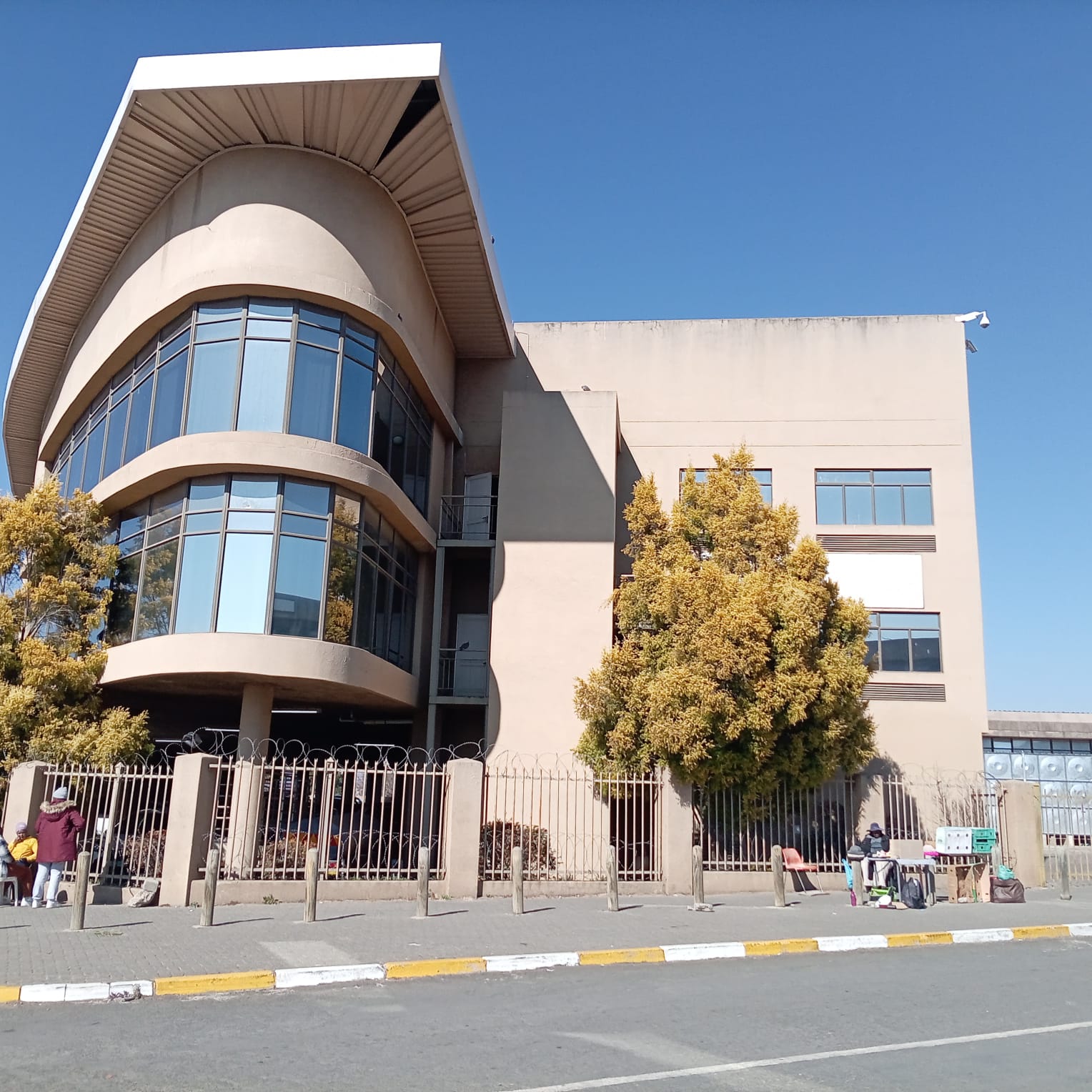
Thebe secured 35 votes against 25 for MAP16 convenor Paratlane Motloung in a tightly contested ballot held at the Phuthaditjhaba Multipurpose Hall. The vote delivered an unexpected political twist, with the Democratic Alliance (DA) throwing its weight behind the ANC candidate to block MAP16 from reclaiming power.
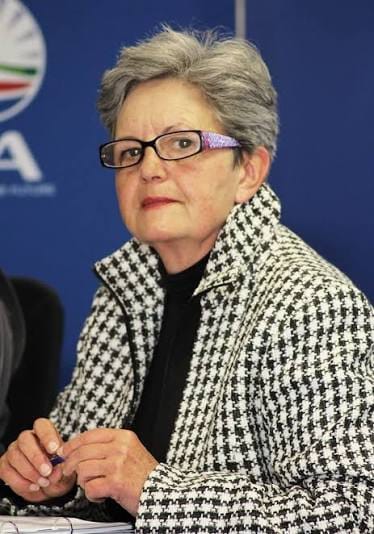
DA councillor Eleanor Quinta said the party’s decision was driven by urgency to restore stability and push through the municipality’s delayed draft budget.
“We prioritised stability and the approval of the budget. Supporting the ANC was necessary to keep MAP16 out after its past failures in governance,” she said.
The leadership change followed swiftly after council ousted Melato through a motion of no confidence, which passed with 30 votes in favour, 25 against, and four abstentions—a clear signal of deep divisions within the chamber.
Despite claims that proceedings ran smoothly, tensions flared during the sitting. Several councillors were locked out after arriving late, barring them from participating in crucial votes, while procedural disputes surfaced on the floor.
Motloung challenged aspects of the process, invoking Section 88(9) of council rules to stress that the Speaker holds no casting vote—highlighting the fragile and contested nature of the session.
A total of 60 councillors formed the quorum, with 60 ballot papers issued and one replaced after being spoiled. Officials insisted the voting process remained orderly.
In his first remarks as mayor, Thebe struck a conciliatory tone, framing his election as a mandate to rescue a municipality plagued by instability.
“This is not about an individual. It is about restoring political stability and ensuring councillors work together to meet community expectations on service delivery,” he said.
Motloung, while conceding defeat, acknowledged the outcome and extended congratulations to Thebe.
Thebe now assumes office at a critical moment, with mounting pressure to stabilise governance, pass the municipality’s budget, and confront persistent service delivery failures that have long frustrated residents.
The high-stakes council reshuffle signals a new political alignment—one forged not by ideology, but by urgency to steady a municipality on the brink.