

By Teboho Moloi
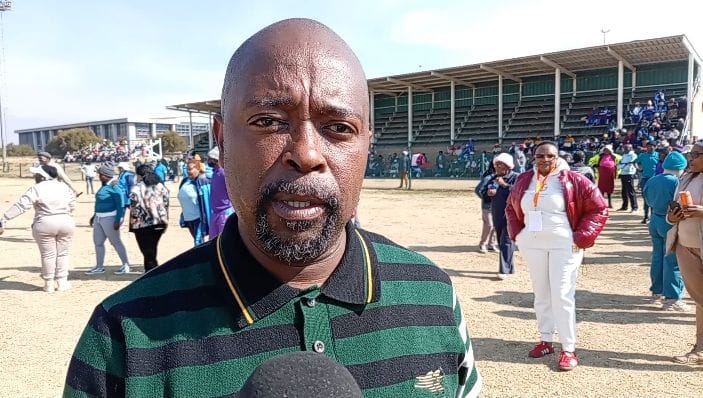
QWAQWA – Mounting pressure is building on the Maluti-a-Phofung Municipality as criticism intensifies over its 2026/2027 draft budget, with former executive mayor and now uMkhonto weSizwe Party provincial executive committee member Vusimusi Tshabalala warning that the spending plan risks deepening hardship for already struggling communities.
Tshabalala, who also serves in the Free State Legislature, has dismissed the draft budget as detached from the lived realities of ordinary residents, arguing that it shifts the financial burden of governance failures onto the poor.
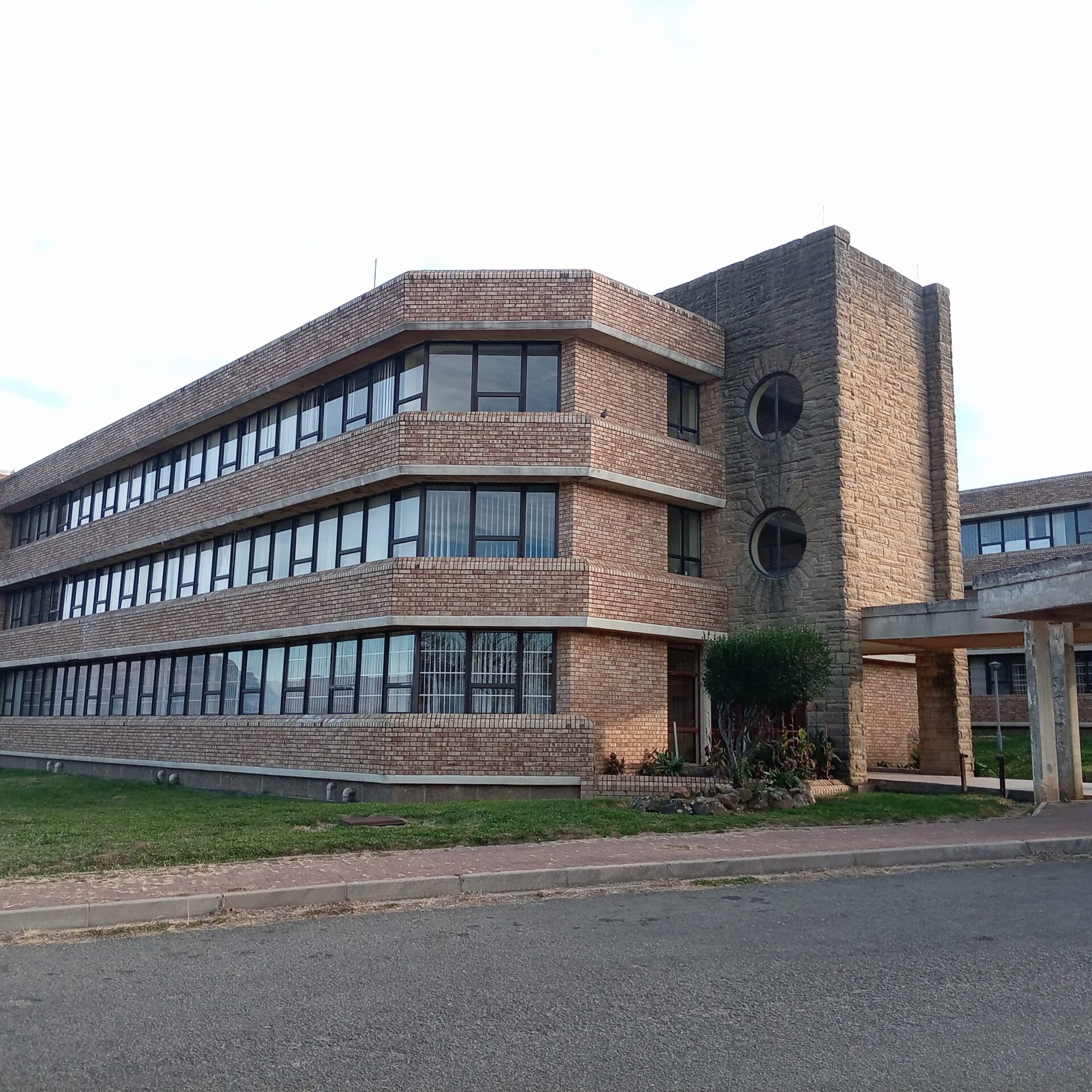
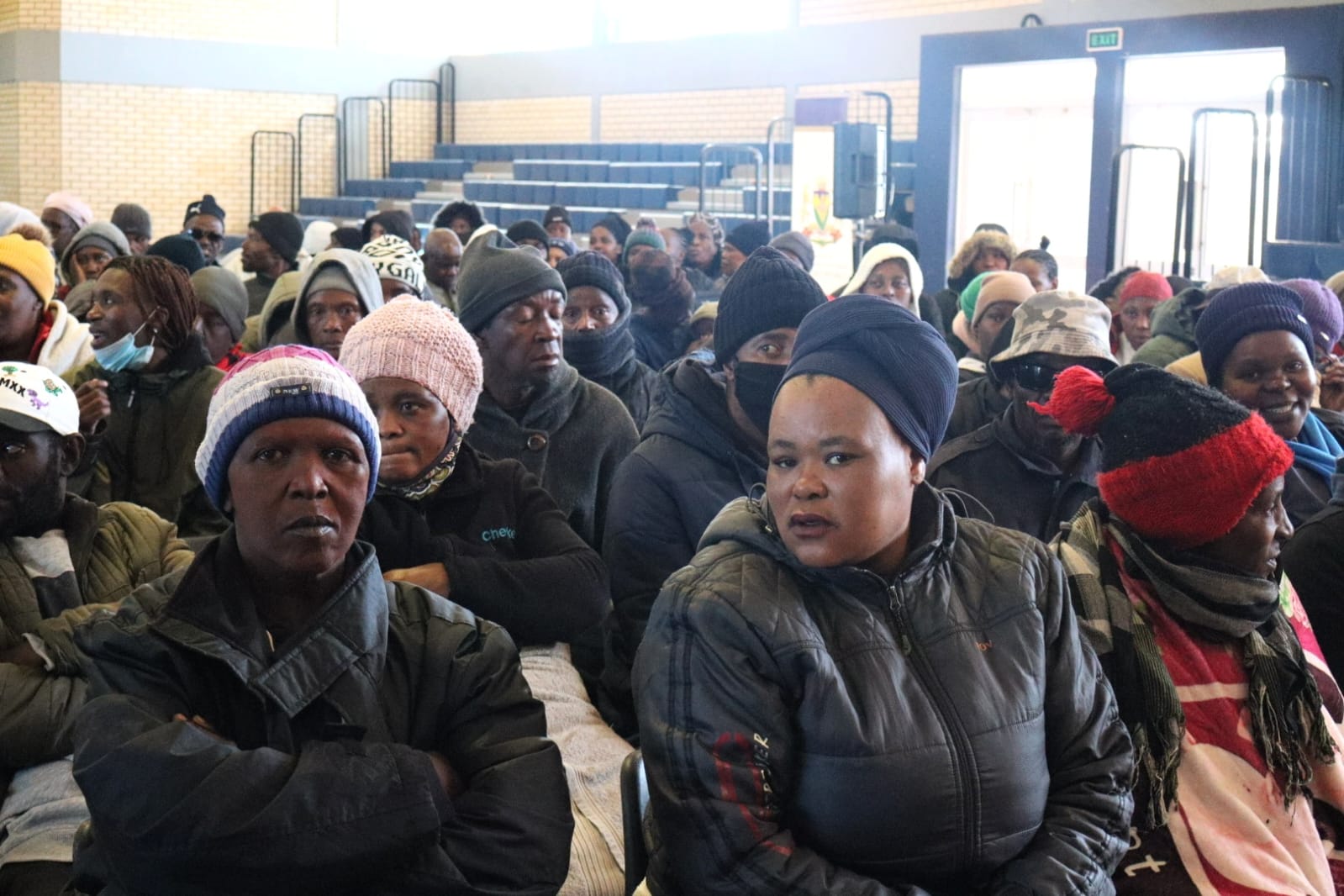
The municipality is currently conducting public participation processes across wards ahead of the budget’s final tabling by newly elected mayor Tumelo Thebe.
But Tshabalala said in its current form, the budget threatens serious economic and political fallout.“This is a burden communities are being asked to carry despite not creating it.
“If adopted as it stands, the consequences will be far-reaching, particularly in the run-up to local government elections,” he said.
At the centre of the criticism are proposed tariff increases across essential services, including water, electricity, sanitation and waste collection — hikes Tshabalala describes as unrealistic and punitive.
“Local government must return to its core mandate: serving the people, not financially overwhelming them.
“If municipalities are serious about rebuilding trust and strengthening democracy, they must listen and act before these proposals become policy,” he said.
He further questioned the fairness of the budget, highlighting what he called a stark imbalance between municipal wage adjustments and the cost burden placed on residents.
“While municipal employees are set to receive a 4.75% salary increase under national agreements, residents are expected to absorb increases several times higher. That raises serious questions about accountability and priorities,” he said.
Tshabalala painted a bleak picture of service delivery in QwaQwa, arguing that residents are being asked to pay more while receiving less.
“Communities continue to face erratic water supply, persistent electricity outages, poor waste management and crumbling infrastructure.
“You cannot justify higher tariffs under these conditions,” he argued.
The remarks add to growing scrutiny over the municipality’s financial direction, with the outcome of the ongoing public consultations now likely to shape both the final budget and the political temperature ahead of the next election cycle.











One Response
Mr Vusi Tshabalala is raising serious points systematically hence the Maluti a phofung budget is not being distributed fairly to the community,so many things that as a community we need from the municipality but we don’t get what we need on time.This is a right time to show change, rebuild our community…….promise and deliverance is more important.