
By Emily Setona
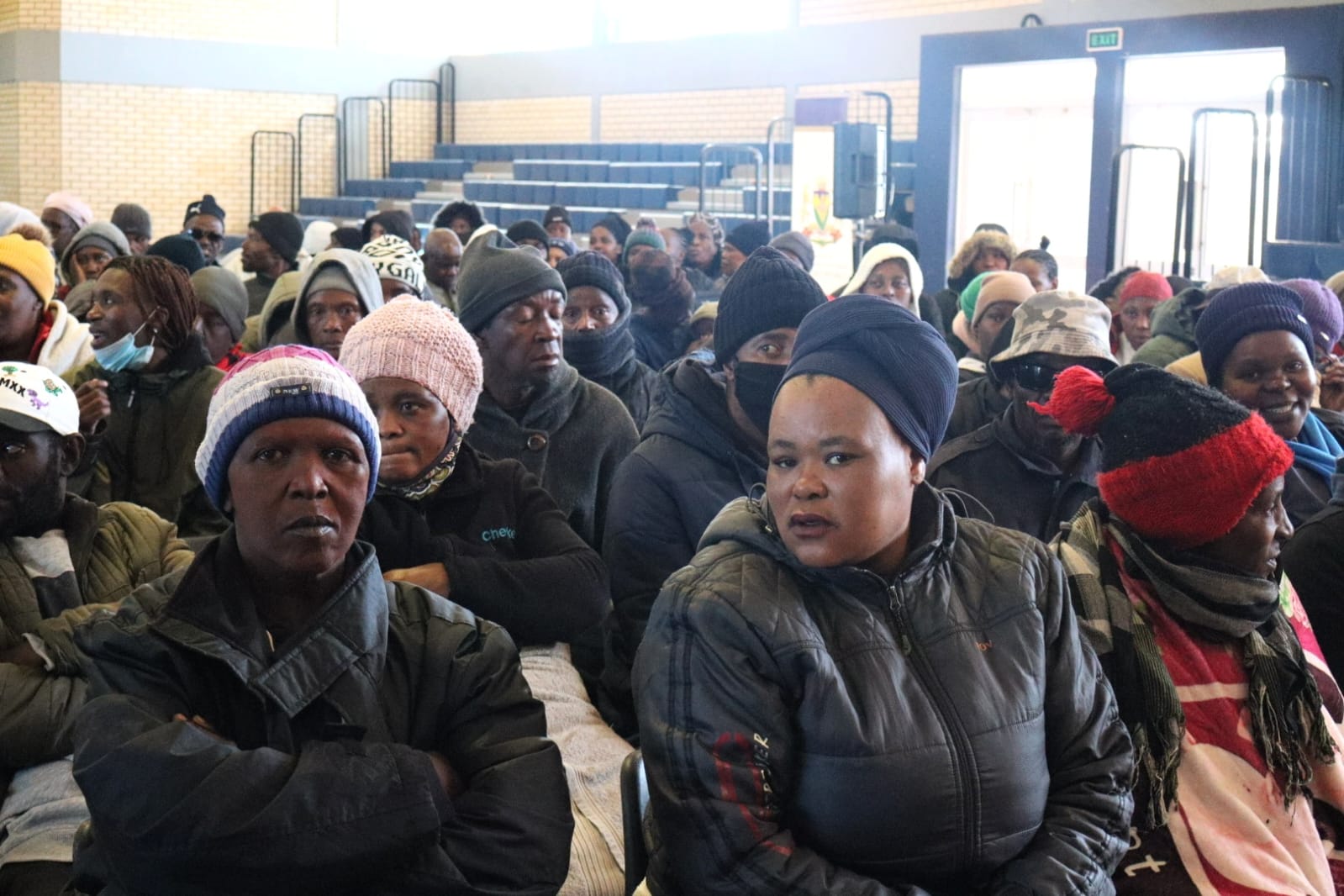
BETHLEHEM – Angry residents across Dihlabeng have confronted municipal leadership over deepening service delivery failures, using a Ward Committee Empowerment Programme to demand urgent action on crumbling infrastructure, failing healthcare services and rising crime.
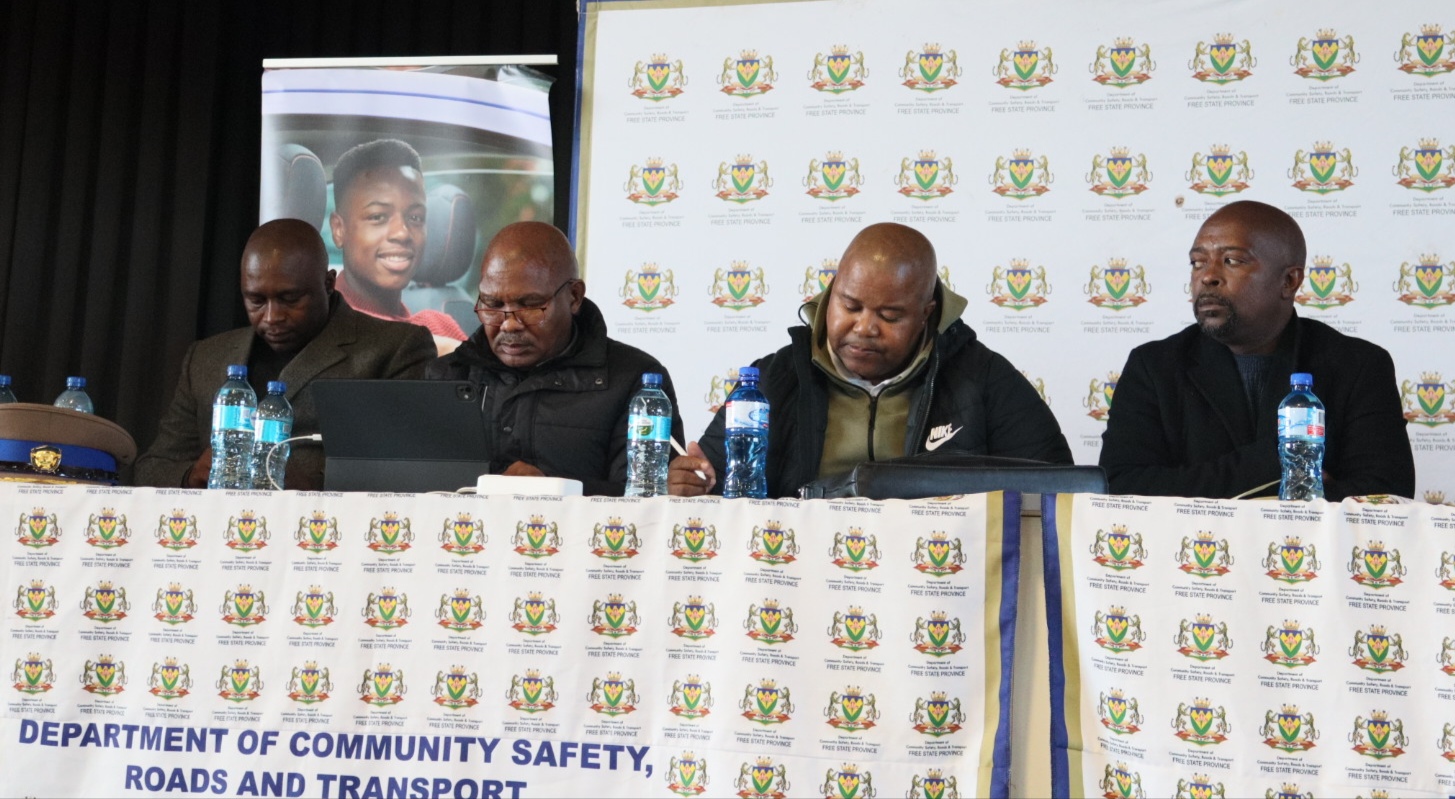
The programme, convened by the Office of the Speaker under the theme “Building Trust Through Accountability,” brought ward representatives face-to-face with officials – but quickly turned into a platform for community outrage.
Residents spoke bluntly.
Ward 17’s Maletsatsi Mosia painted a picture of neglect in Paul Roux, citing deteriorating roads, a dysfunctional clinic and abandoned housing projects.
“Our roads are not maintained, and at the clinic we are forced to clean ourselves because no one has been appointed after the cleaner passed away,” she said.
“Housing foundations were dug, but the contractor disappeared. We hear money was misused while other areas benefit.”
In Ward 4, Ntsoaki Mokoena warned of escalating crime and a breakdown in relations with police, pointing to housebreakings, vehicle-related crime and cable theft.
“Our relationship with SAPS is not good. When we report cases, responses are delayed,” she said.
“Even ambulances struggle to find us because our area is not properly structured.”
Under pressure, Council Speaker Cllr. Nthabeleng Mofokeng admitted the municipality is struggling, blaming weak revenue collection and staffing shortages.
“Infrastructure development, including sewer management and road maintenance, depends on revenue,” she said.
“Many residents are not paying for services. Ward committees must help strengthen indigent registration so the municipality can access funding.”
Mofokeng also revealed deep instability within ward structures, with only 11 of Dihlabeng’s 20 ward committees functional as of July 2025.
“This is largely due to political infighting and constant changes in membership. Stability at ward level is critical,” she said.
Government departments echoed concerns. Health officials stressed the importance of ward committees in improving clinic governance, while COGTA flagged confusion over roles as a major obstacle.
The Department of Community Safety called for formal training to professionalise ward committees and strengthen crime prevention.
Despite official responses, the message from communities was unmistakable: patience has run out.
Residents demanded visible, fair and responsive service delivery, warning that continued failure will deepen frustration on the ground.
The programme ended with commitments from municipal leadership to act on the grievances raised – but for many residents, delivery, not promises, will be the true test.