

By Emily Setona
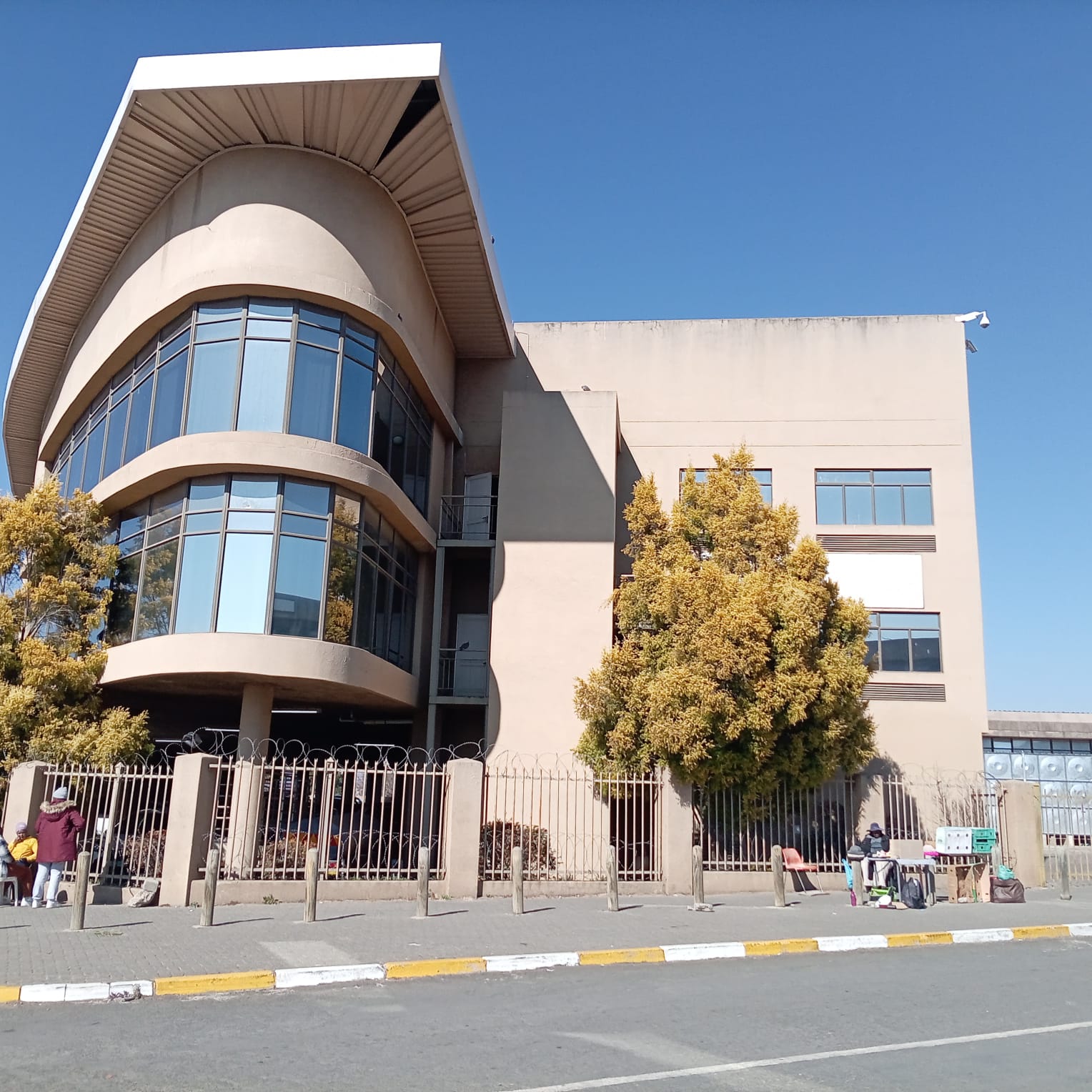
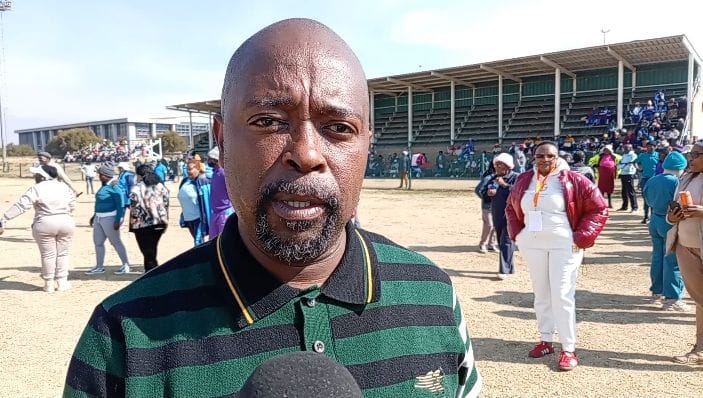
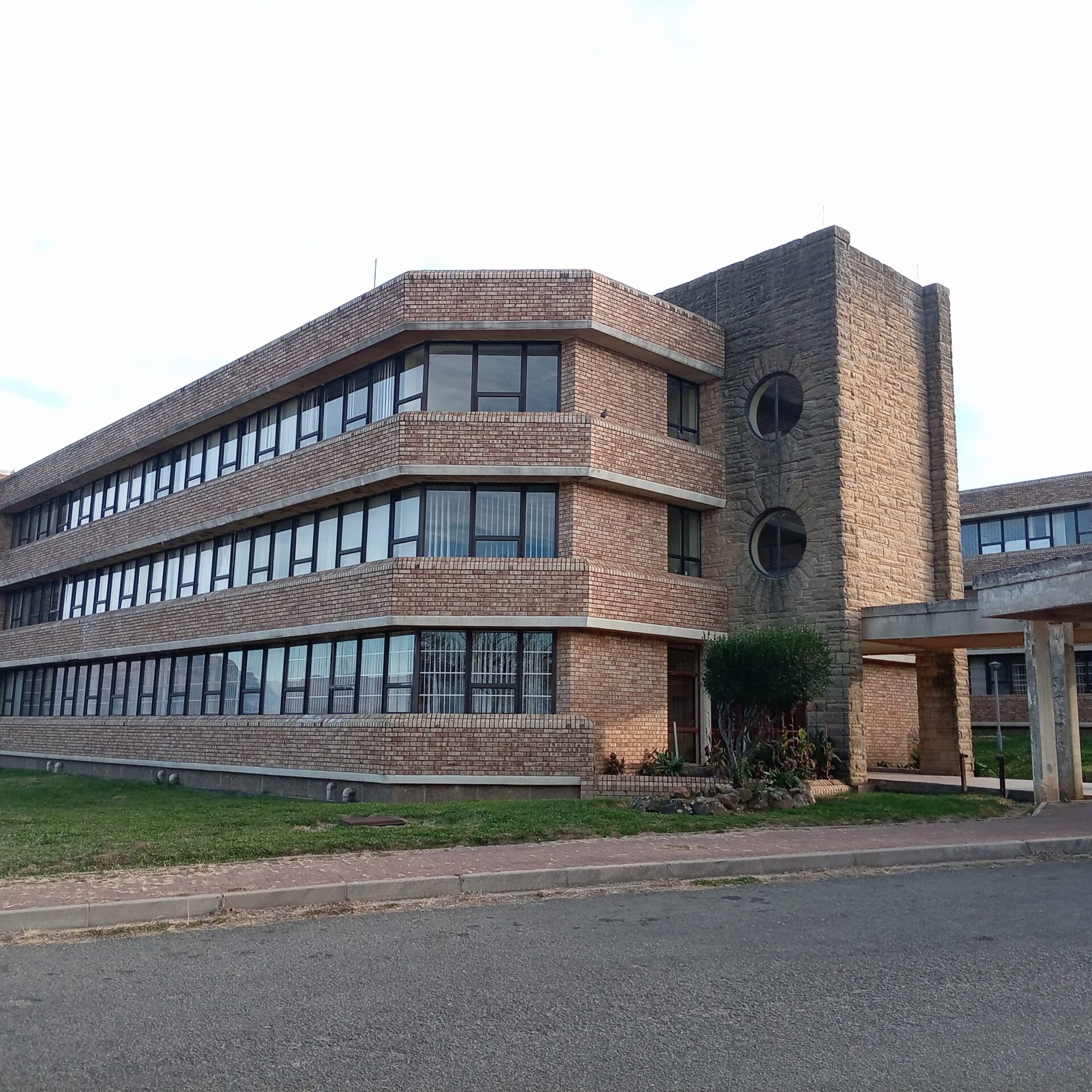
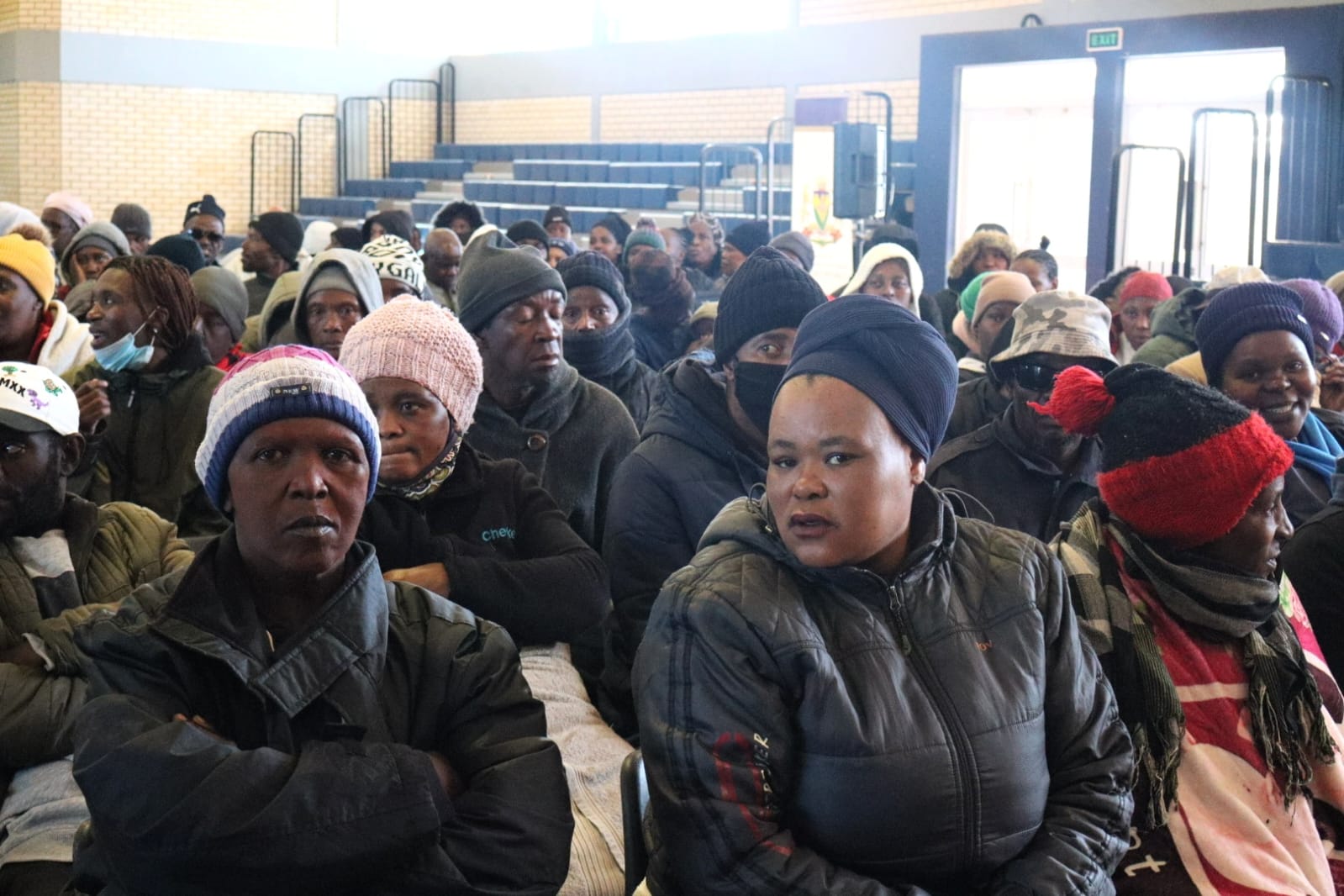
QWAQWA – Frustration over failing services, weak revenue collection and exclusion from planning dominated a heated Maluti-a-Phofung (MAP) IDP and budget meeting in Phuthaditjhaba on 29 April.
Residents, ward leaders and officials clashed over basic needs — from roads and clinics to billing and governance — exposing deep cracks between community expectations and municipal delivery.
MMC for Water and Sanitation Neo Motaung pushed back, insisting residents must pay:
“The community must pay the flat rate,” he said, calling for stricter compliance and stronger leadership.
But communities fired back with urgent demands.
Ward 29’s Kgopolo Sewa called for a clinic in Botjhabela, while Ward 33’s Dibokhanyo Mofokeng said Mandela Park has been sidelined entirely.
“Mandela Park — where does it fall? Ward 33 does not appear. We are not in the budget or IDP,” he said.
He listed critical gaps: no paved roads, clinics or schools — and growing anger over neglect.
Mofokeng also turned inward, urging accountability: “We must mature and pay for electricity,” he said, calling for audits and tighter oversight in communities.
Ward 27’s Monyane Mokoena pointed to a breakdown in governance: “There is no regulation and control. Even those who can afford do not pay.”
MMC for Corporate Services Mamorena Bohlale clarified limits, saying clinics fall under provincial government, not the municipality.
“Our role is basic services and creating an environment for business,” she said, adding councillors are legally required to hold quarterly meetings — though frequency varies.
Chief Whip Moeketsi Lebesa admitted enforcement is weak: “Bylaws exist, but there are not enough officials to enforce them.”
He proposed a municipal “war room” to respond rapidly to crises.
“A space where we act immediately when problems arise,” he said.
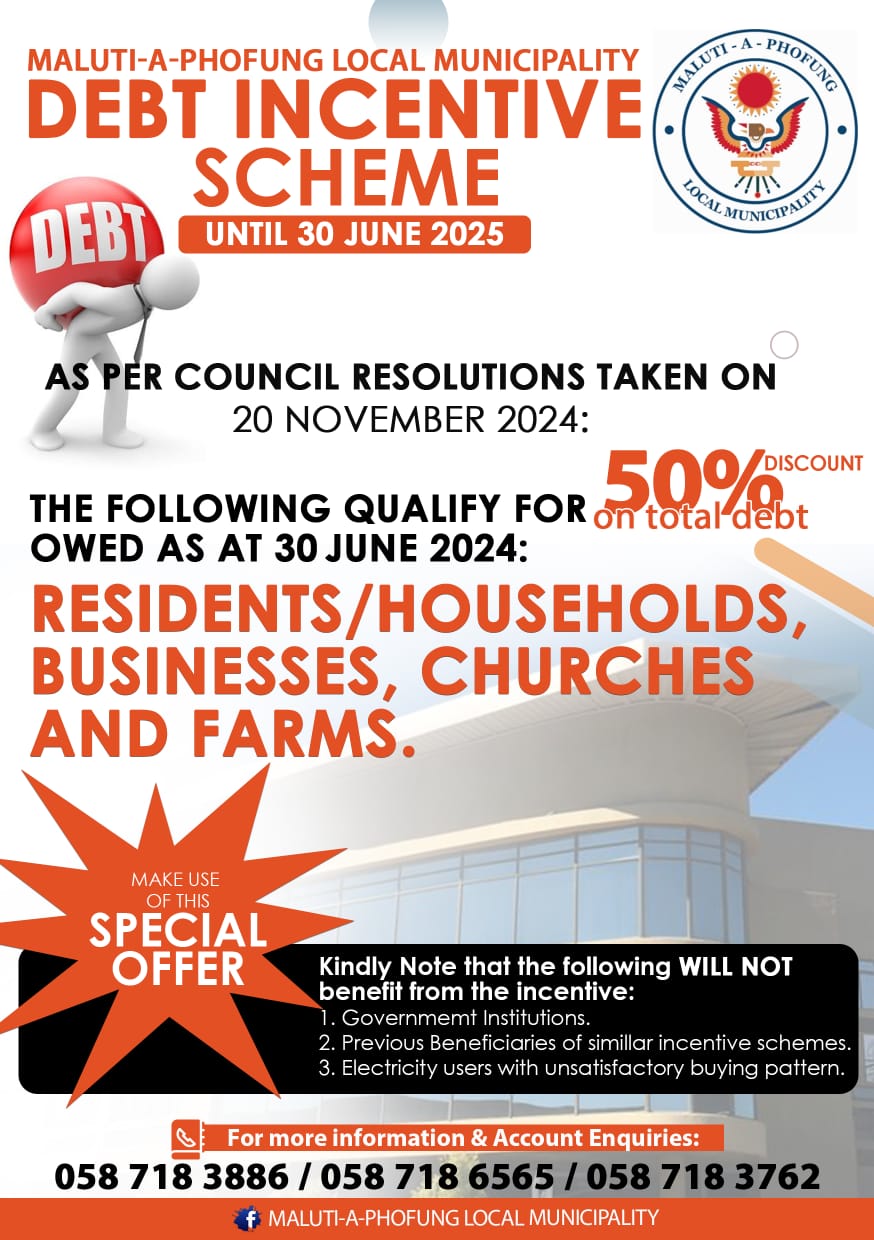
Lebesa also laid bare the financial crisis: “MAP depends on grants. Revenue collection is almost non-existent.”
The meeting underscored a stark reality — rising community demands, collapsing payment culture and a municipality struggling to keep up.











One Response
This article reflects the lived reality of many residents, but it also highlights a deeper governance issue that needs to be addressed beyond the emotions expressed at the meeting.
There are three critical points that require clarity:
1. Mandate vs Responsibility
While it is correct that certain services such as clinics fall under provincial government, municipalities are still responsible for integrated planning.
If communities are raising these needs, the IDP should clearly reflect how the municipality coordinates with provincial departments to respond.
2. IDP and Budget Alignment
Concerns raised by residents about areas not appearing in the IDP or budget are valid.
The IDP is not just a compliance document — it must translate community priorities into funded, measurable programmes.
Where this alignment is missing, it creates the perception (and reality) of exclusion.
3. Revenue vs Service Delivery
The discussion around payment for services cannot be separated from governance credibility.
Communities are more likely to pay when there is:
– Visible service delivery
– Accurate billing systems
– Accountability and enforcement applied fairly
At present, the challenge appears to be systemic — not just behavioural.
—
What is needed going forward is not only improved enforcement, but:
– Stronger financial governance
– Credible budgeting aligned to realistic revenue
– Clear implementation plans within the IDP
– Transparent communication to communities
Public participation should not end at engagement meetings — it must influence planning, budgeting and implementation.
Until that happens, these frustrations will continue to surface.
—
Karen Tladi
Governance & Compliance Practitioner