
By Emily Setona
CLARENS – Government, municipalities and non-state actors have moved to tighten coordination and accelerate delivery under the District Development Model (DDM) One Plan in Thabo Mofutsanyana.
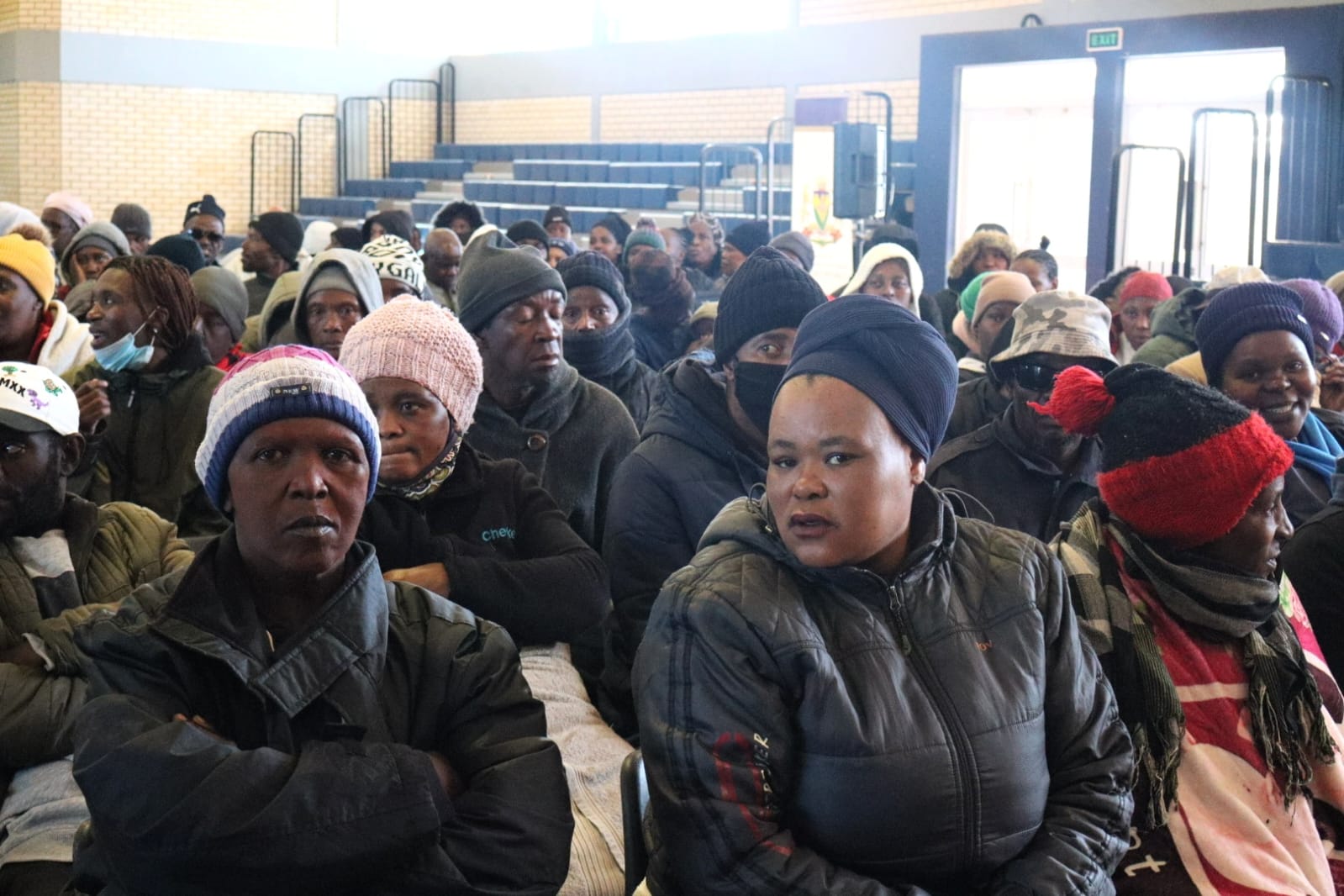
A two-day workshop held on 16–17 April focused on turning the Free State Legislature-adopted plan into measurable action, with stakeholders agreeing on a clear implementation strategy built around six priority pillars.
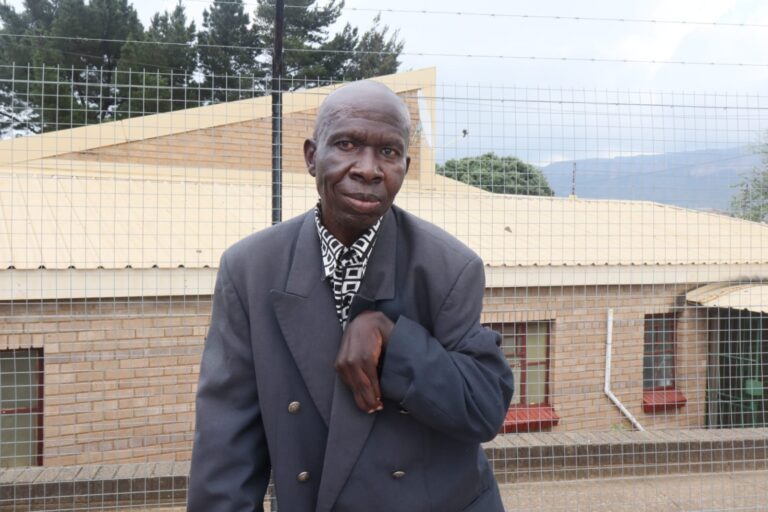
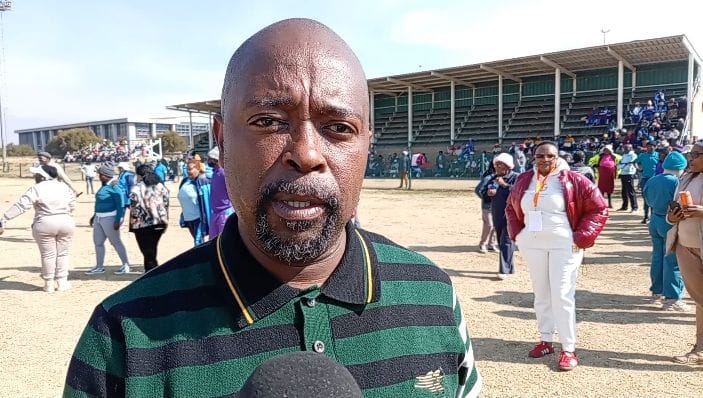
DDM champion and Department of Infrastructure and Transport director Bernard Mphahlele said the meeting marked a shift from planning to execution.
“The One Plan has been adopted. The task now is implementation, guided by a focused strategy to ensure real impact on the ground,” he said.
Central to the discussions was the Big Fast Results (BFR) model, aimed at improving coordination and accelerating service delivery outcomes.
“We examined how the BFR approach can sharpen coherence across programmes, while driving local procurement and job creation,” Mphahlele said.
Participants also prioritised stronger institutional coordination, with new arrangements proposed to improve collaboration between national, provincial and local government, alongside non-state partners.
“We are strengthening the interface across all stakeholders to ensure the One Plan is implemented effectively and achieves its intended outcomes,” he said.
Policy alignment emerged as another key issue, with calls to synchronise the DDM with existing frameworks to eliminate duplication and ensure consistency in delivery.
The workshop further reinforced progress already made, with an emphasis on scaling up implementation at district level.
“We are building on the work already done to ensure the plan translates into tangible improvements in communities,” Mphahlele said.
The session concluded with a unified commitment to integrated planning, tighter coordination and a results-driven approach to development—aimed at ensuring communities begin to see concrete benefits from the DDM.