
By Libuseng Nyaka
QWAQWA – While strides have been made to combat male perpetrated abuse against women and children, it has emerged that many men worldwide silently suffer ill-treatment at the hands of their partners.
Traditional African tenets discourage a public display of emotion by men and frown upon those who “are beaten up” in their homes.
As result, abused men sidestep societal structures aimed at easing the pain of those in abusive relationships, and seek solace in alcohol, prostitutes, violence, gambling and even drug abuse.
In a recent study on emerging attitudes and patterns of domestic violence, Glasgow University found that of the 200 women surveyed, 60 percent said: “it was acceptable for women to hit their husbands” while 35 percent admitted assaulting their partners. Another eight percent admitted to physically injuring their male partners.
Whereas physical abuse is considered the most obvious form of domestic abuse, especially against women, an increasingly huge number of men are emotionally abused by way of insults, intimidation, and denial of intimacy.
Pule Lekhoaba of Men’s Forum in Phuthaditjhaba told this publication that there are many men who were being abused and had elected to suffer in silence.
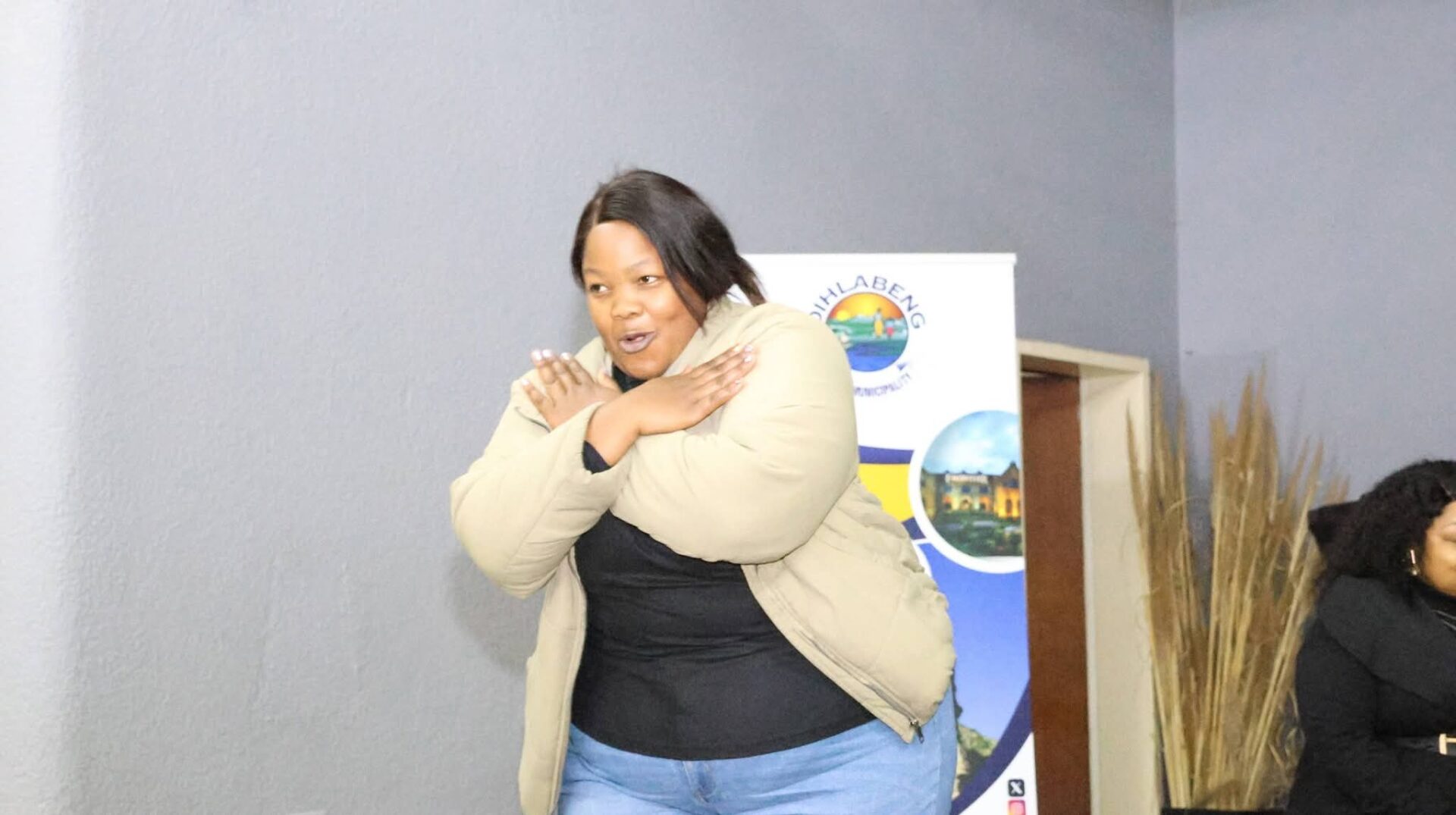
He said this after a two day workshop organised by the department of women and children to establish a Gender Based Violence- Rapid Response Team (RRT), in Maluti-a-Phofung local municipality last Friday.
“We started our organisation Ahanang Men’s Forum after discovering that men only feel free to share their problems when they are at taverns with other men. Men want to approach their issues in confidentiality and aware of this we only assign one man who has the capacity to handle each case privately; we do not even ask, we are happy when he gets assisted and his dignity is restored.
“While encouraging men to stop abusing their women and children, we are also encouraging them to report any form of abuse so that it can be attended to.
“Without evidence that men are abused there is no way campaigns like 16 days can be established because the magnitude of the problem is not known. Men must come out of the closet. We know how difficult it is for men to report abuse by women. They feel like they are not man enough.”
The problem has its roots in the family set up; boys grow up conditioned that they are supposed to protect their sisters even if they are younger than them. Because of this perception, they grow up thinking that they are the stronger sex and that men do not cry.
“Our boys grew up knowing that they are they the stronger sex and must offer protection to their sisters whether old or young.
“And not much is done to encourage men to report cases of domestic abuse. Instead, when they cry, that is regarded as a sign of weakness.
“But men complain that the treatment they receive when they try to get help is sometimes demoralising.”
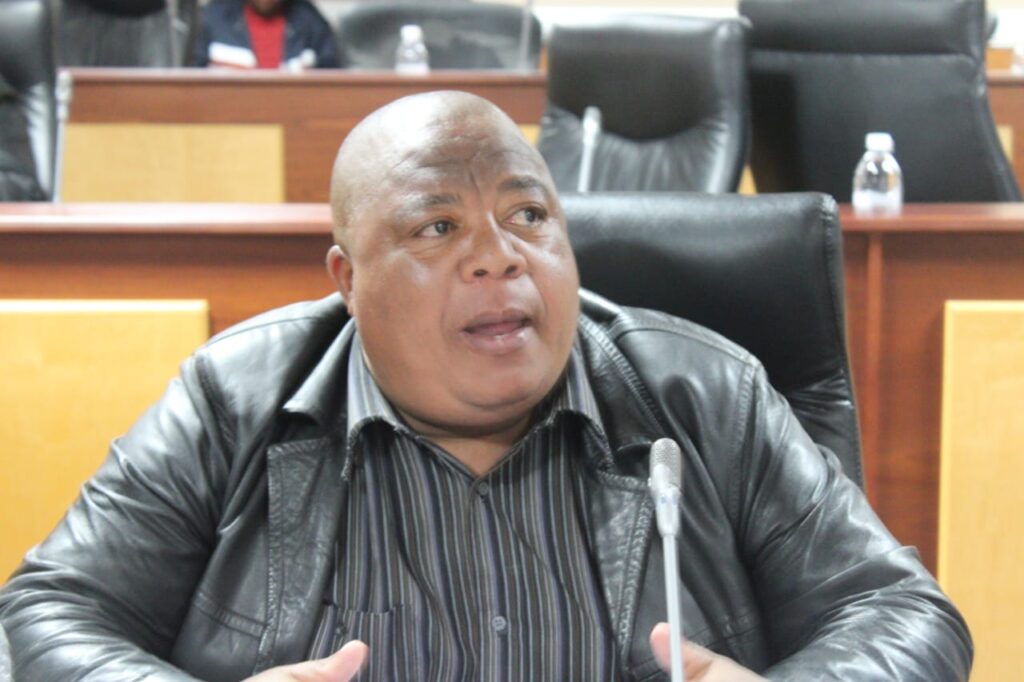
Simon Tsweu says he too was abused by his wife, who would even go to the extent of beating him. But people did not believe him.
“When I went to the police to report the matter, they turned me into a laughing stock and mocked me while at the same time asking me how a woman could beat me,” Tsweu said.
He said men have themselves to blame because they do not attend public gatherings held to address problems pertaining to domestic abuse.
“Men too need to come out and seek help so that they can be assisted. Laws are formulated to address or prevent problems. So if men do not report abuse, how can lawmakers address their problems?” he asked.
In his book “Old Mali and the Boy”, Dominic Sherman also emphasised that men “do not cry”. He said men are only expected to cry when their hearts are “going to break”.
There is also a Sesotho saying which portrays men as the stronger sex and who, like sheep are not expected to cry.
Although many men who have been left by their wives to raise children alone, and this has not raised any public hue and cry.
In South Africa, when one parent deserts the matrimonial home, she or he has to pay maintenance, but men would rather suffer than ask their ex-partners to contribute towards the maintenance of their children. But women, even when they do not need extra income, will demand money from their former partners.
A Late psychiatrist who was then based in Bloemfontein, Teboho Tsoahae, best summed up men’s indifference thus: “Men do not like to appear as victims because that is perceived as a sign of weakness. But if they come out to see an expert, that should be regarded as a positive move.
“Some of my male clients say they are unable to report abuse because by doing so they would appear as if they were weak and cannot solve their problems. Others say when they report abuse, police officers laugh and mock them”.