
QWAQWA – The fight for Maluti-a-Phofung is no longer just ANC vs opposition – it is locals vs outsiders. And with November elections looming, civic movements say enough is enough.
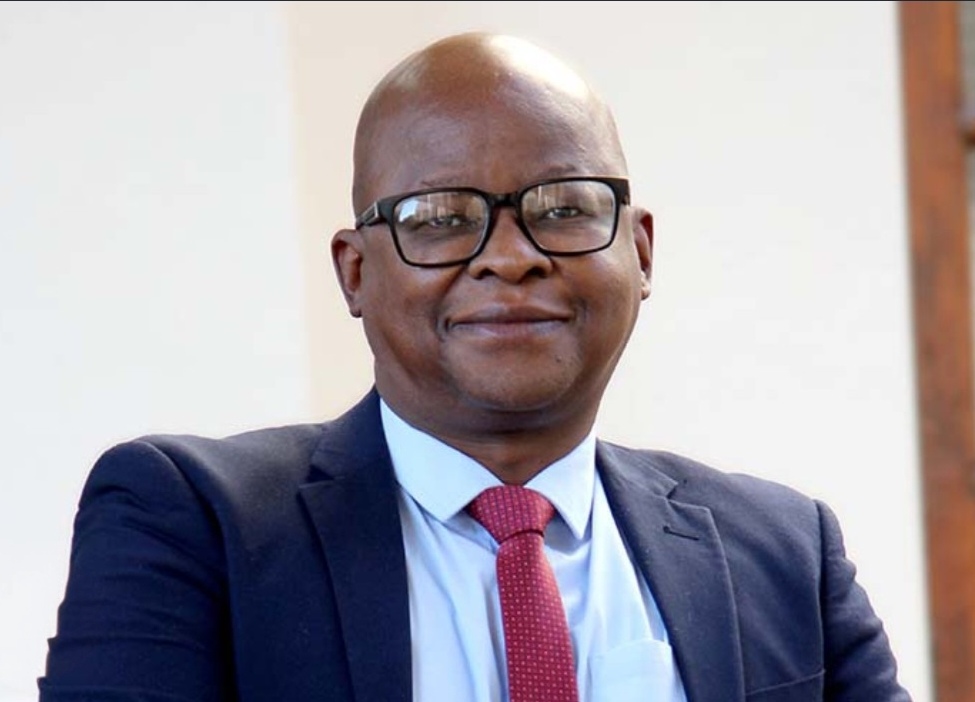
Community First Alliance (CFA) mayoral candidate Mosebetsi Dhladhla says his movement was born out of frustration – Greater Harrismith residents feeling bulldozed by Qwaqwa and Phuthaditjhaba politics.
“The people of Greater Harrismith have birthed this civic movement because people of Harrismith value different things from people of Phuthaditjhaba and Qwaqwa, and often their concerns are not heard. That is why CFA was born,” Dhladhla told The Guard.
His silver bullet? Title deeds.
Dhladhla says giving Harrismith families legal ownership of their homes will unlock wealth, dignity and security – and prove that a local party can deliver what national giants cannot.
“A party that is removed from the community will not prioritise their needs,” he said.
But can civic movements actually govern – or do they just protest better?
Professor Sethulego Matebesi, Head of Sociology at the University of the Free State, says that is the R1-million question.
“For many civic groups, local accountability is key. They understand residents’ needs, are not bound by a party agenda, and stay close to people,” Matebesi said.
“These activists that used to pressure government now want to take political power from established parties.”
The professor’s warning is blunt: winning a grievance is not the same as running a municipality.
“The case for caution is that civic groups often win on specific local issues but struggle to turn that into governing influence,” he said.
MAP has already lived that lesson.In 2018, 16 ANC councillors were expelled for voting to unseat a mayor facing corruption charges. They formed MAP16 Civic Movement. In 2021, MAP16 stormed to 20 seats, the ANC collapsed from 67% in 2016 to 39.2%, and MAP became the first municipality in the Free State to fall from ANC hands.
What followed was not a miracle. It was court orders attaching municipal assets over unpaid debts, infighting, and a High Court battle over who controlled MAP16’s own bank account after its assembly violated its constitution to elect leaders.
Dhladhla now wants history not to repeat itself. He is calling on all local parties to unite into a super coalition to crush nationally-governed parties.
“Outsiders are more interested in dividing the people of Maluti-a-Phofung. Voters need to understand that,” he said.
Matebesi says November will be the real test – not just who wins votes, but who can hold a hung council together when the deals are done and the taps still don’t run.
“Service delivery – water, roads, rates – is what birthed these movements. But can they deliver when they are in charge?”
In Maluti-a-Phofung, voters are not just choosing a logo or a slogan. They are answering one brutal question: Can the movement that gave you a voice, give you a working municipality?