
By Emily Setona
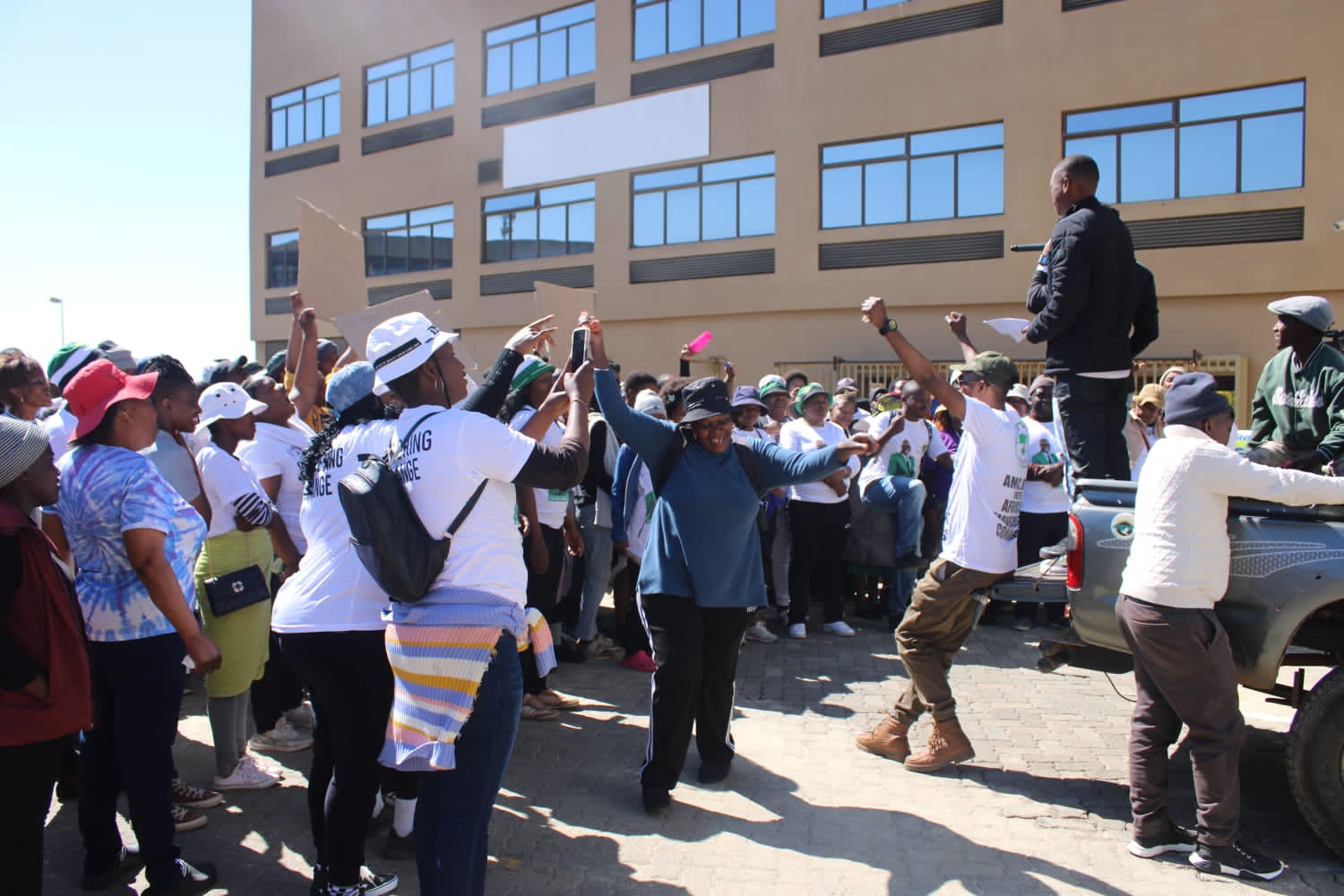
QWAQWA — Women are storming into politics in Maluti-a-Phofung, shattering the long-held view that local leadership belongs to men — and forcing a hard look at who gets to decide the future of communities.
Figures from the IEC local government election candidate list show women make up 313 of the 854 candidates fielded by 31 parties contesting Maluti-a-Phofung. More than one in every three candidates is a woman.
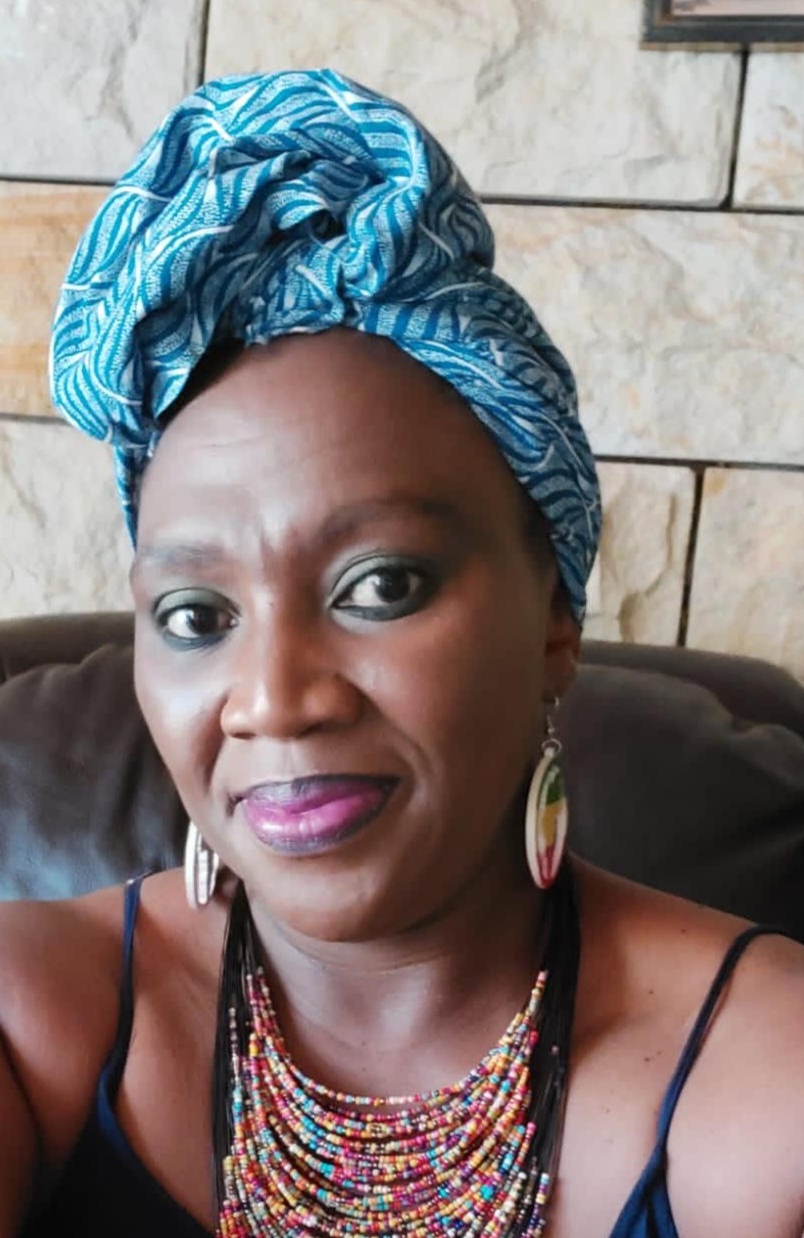
Independent political analyst Dr Lilly Phokontsi says the surge is not just a local story — it is a national shift.
“As a former marginalised group, women moved with reluctance towards the political arena. Currently, things have changed,” Phokontsi said.
“It is encouraging to see them raising their hands to be counted as players rather than spectators, and this brings diversity in an area formerly known to belong to men.”
For years, women’s absence from council chambers meant their interests were compromised — shut out of policy decisions that directly affect their lives.
Their growing presence, Phokontsi argues, brings different perspectives that benefit society as a whole.
“It is significant to note that patriarchy is losing momentum in political leadership,” she said.
Cultural and social stereotypes that painted politics as a man’s game are collapsing, she says, as women show not just willingness but capacity to lead.
For Phokontsi, this moment is about more than numbers on a list. It is about constitutional rights.
“Women involvement in politics is a symbol of capacity and growing courage to stand for their beliefs and their rights, a clear sign that they understand the equality clause — Section 9 of the Constitution,” she said.
“Women understand their responsibilities as citizens and that South Africa belongs to all who live in it.”
With women now making up 36% of candidates, political parties face tougher scrutiny: will numbers translate into real power and meaningful participation in decision-making?
As women raise their hands to be counted, the question is no longer whether they belong in politics — but how their presence will change the decisions that shape communities.