
_As hung councils loom, expert warns: Stop fighting over positions, start delivering for communities_
QWAQWA – South Africa is heading for more hung councils in the 4 November 2026 local elections – and the big question is whether political parties will show maturity or plunge municipalities into chaos.
Governance expert Dr Harlan Cloete has warned that without transparent deals and a shared focus on the people, coalition governments will collapse before they even start.
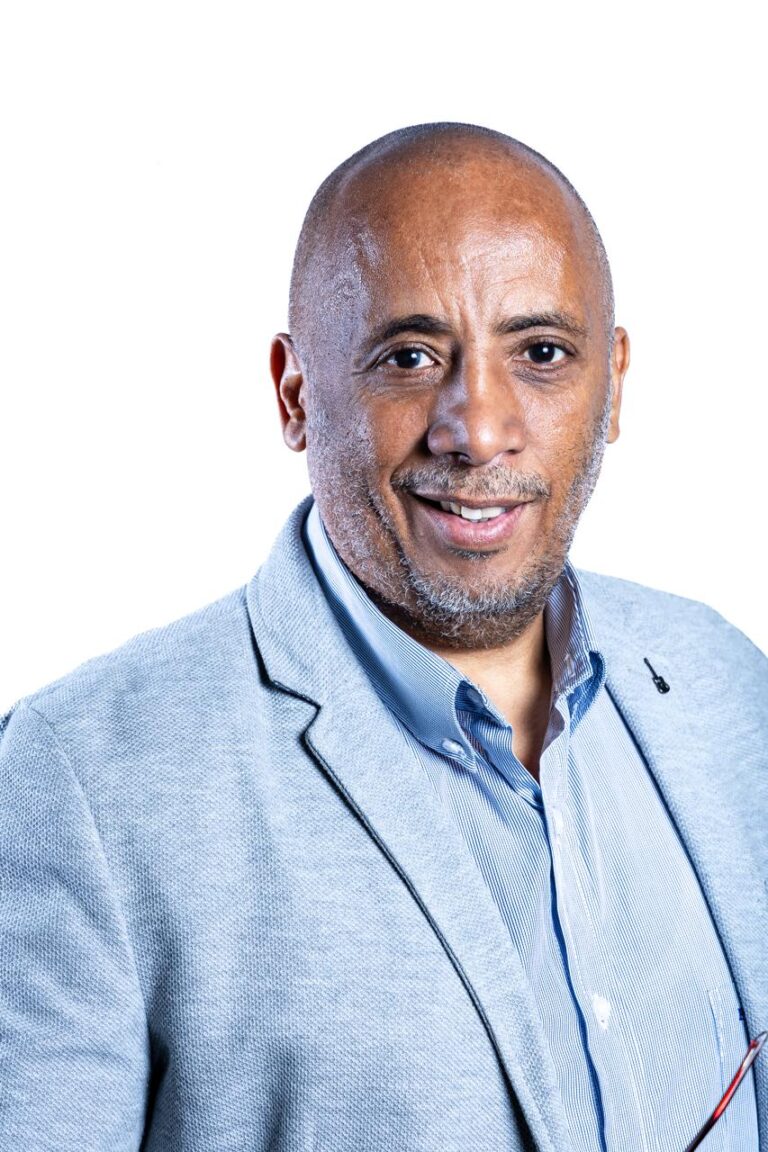
“Voters will not necessarily give one party a majority. And so the two biggest losers must work together,” said Cloete, Research Fellow in Local Governance and Public Leadership at the Centre for Gender and Africa Studies, University of the Free State.
He said the parties with the biggest numbers – even without a majority – must lead coalition talks, without shutting out smaller players.
“I’m not saying exclude smaller parties, but really that is the will of the electorate for political parties to find a way to work together for the greater good of society,” he said.
But Cloete warned that coalitions are becoming a marketplace for positions, not programmes.
“You can imagine every time a new coalition comes in, the junior partner comes with big demands. We want political maturity. We want to ensure that the two biggest losers work it out,” he said.
For Cloete, the deal must not be about who gets to be mayor. It must be about poverty, unemployment and inequality.
“Before it looks at positions, it needs to look at a commitment through its Integrated Development Plan about how it will work, not on its own but also unlock other sources through collaborative efforts,” he said.
He said municipalities must use coalitions to unlock partnerships with universities, business and other spheres of government to drive local economic development.
The Local Government: Municipal Structures Amendment Bill – the so-called Coalitions Bill – is meant to stop the musical chairs. The Bill, which is still not law, will force parties to sign written coalition agreements, spell out their responsibilities, and curb endless motions of no confidence.
“If the small parties don’t get their way, whether one of the biggest losers, it just runs to the other one again, and so that needs to stop,” Cloete said.
He stressed that coalitions are not doomed. In parts of the Western Cape, coalitions have delivered stability.
“Coalitions in themselves, they’re not bad, but when you have coalitions that are not based on principle, but on positions and on other factors…”
The South African Local Government Association (SALGA) says stability is non-negotiable.
“The council must remain stable to ensure that we fulfil our core mandate to communities. Through comprehensive councillor induction and strategic oversight, we are establishing the foundation needed for effective service delivery across all municipalities,” said SALGA Free State Chairperson Lawrence Mathae.
SALGA developed a voluntary coalition governance framework in 2021 after the 2016 elections left councils paralysed by infighting. It sets rules for negotiations, agreements, appointments and dispute resolution.
As the 4 November vote draws closer, the test is no longer who wins the most votes – but who can govern together.
“One hopes that the political parties will show political maturity, will ensure that they move the needle forward,” said Cloete.