
QWAQWA — While thousands of young South Africans stayed home on election day, two of Maluti-a-Phofung’s oldest citizens refused to be silenced.
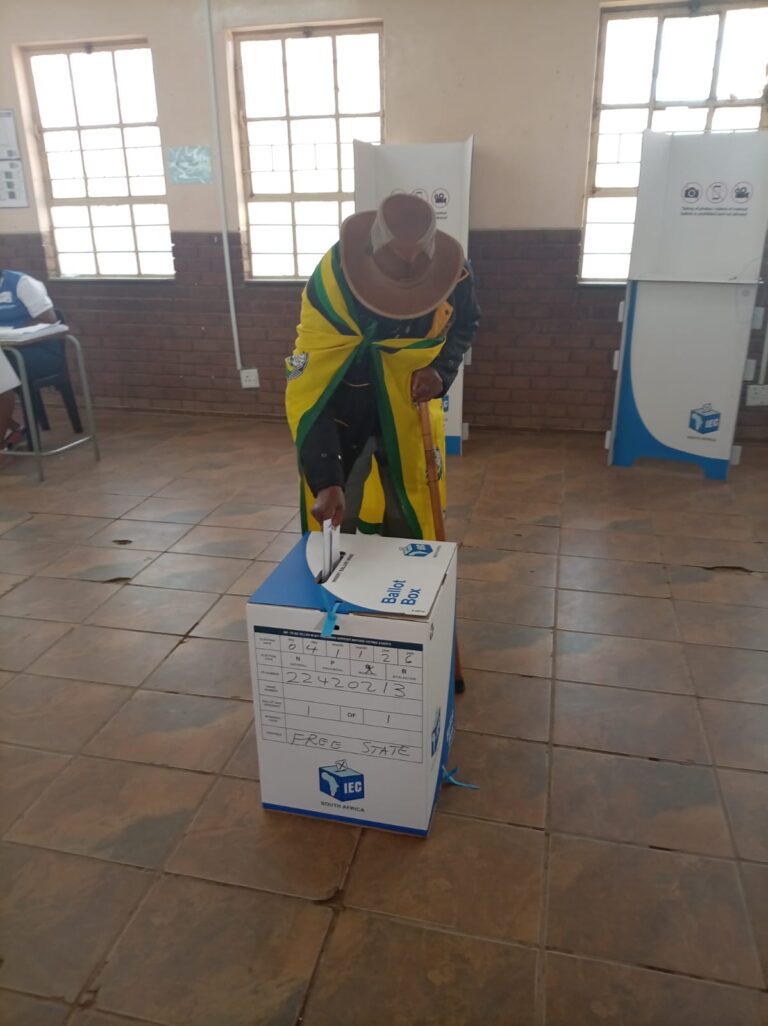
Ntatemoholo Makane Motsoeneng, 110, from Ha-Rankopane village, and Nkgono Mahloko Maliphoko Belina, 104, from Leribe village, cast their votes in the 2026 local government elections — and delivered a blistering message to a generation that has given up on the ballot.
Both have voted in every election since democracy dawned in 1994. This time, they said, was not for themselves.
“I no longer vote for myself,” said Motsoeneng, after casting his vote early in the morning at Mabela voting station, where he was among the first 20 voters in the queue.
“I vote for my grandchildren. I wish the government that comes in will make their daily lives easy when I am no more.”
He appealed to whoever takes power in the municipality to stop playing political games and prioritise the needs of the people.
“We are tired of promises. Serve the people,” he said.
At Naka voting station, Belina arrived in a wheelchair, smiling, thanking God for another chance to exercise a right so many died for.
She did not mince her words about the youth boycott.
“It is very disappointing that today’s youth seem hesitant to take part in elections,” she said.
“I wish they really knew what it took for this right to be given to all South Africans. Many of our people lost their lives. We should continue voting and put those we want in power.”
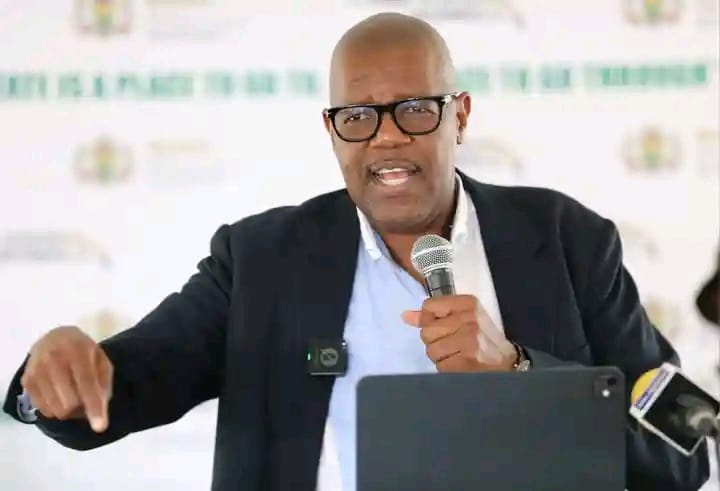
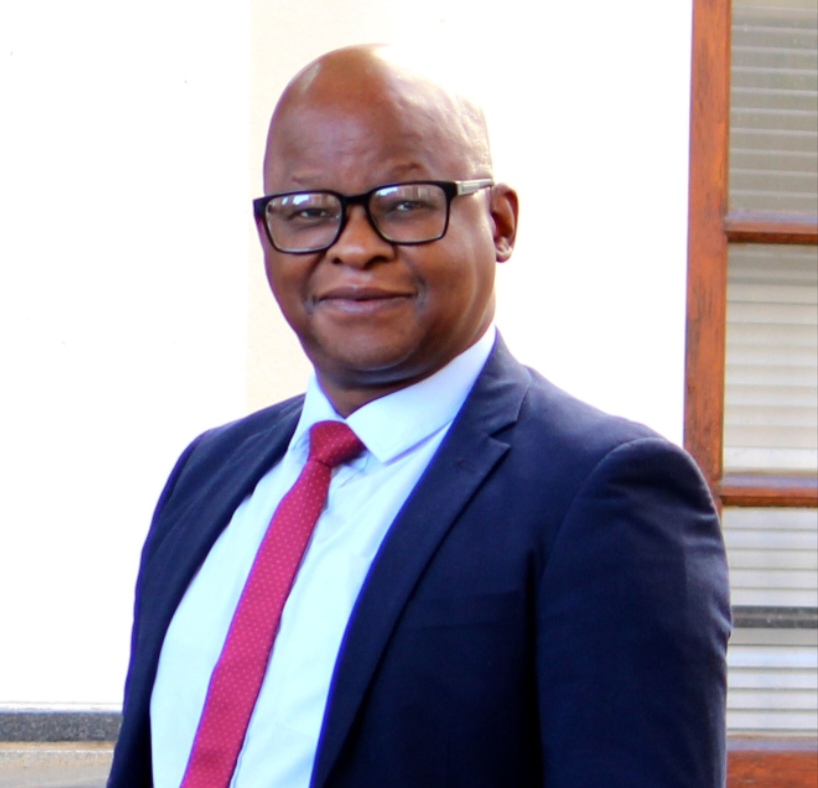
Both elders were accompanied by Maluti-a-Phofung Executive Mayor, Tumelo Thebe, who said the moment left him emotional.
“It is a very proud moment for me to accompany them and make sure that at their age they are not discriminated against when it comes to voting,” said Thebe.
“At the same time, it was very emotional to witness. I hope young people will take voting seriously and stop boycotting elections, treating the day as a rest day or a fun day.”
At 110 and 104, they stood in queues, in wheelchairs, in the cold morning — to vote.
Many young people, with transport, with phones, with time, chose not to.
Motsoeneng and Belina have seen apartheid, they have seen freedom, they have seen 32 years of democracy. They still believe one vote matters.
The question they left behind in QwaQwa is now hanging over the whole country:If they can still vote at 110, why can’t you at 20?