
By Emily Setona
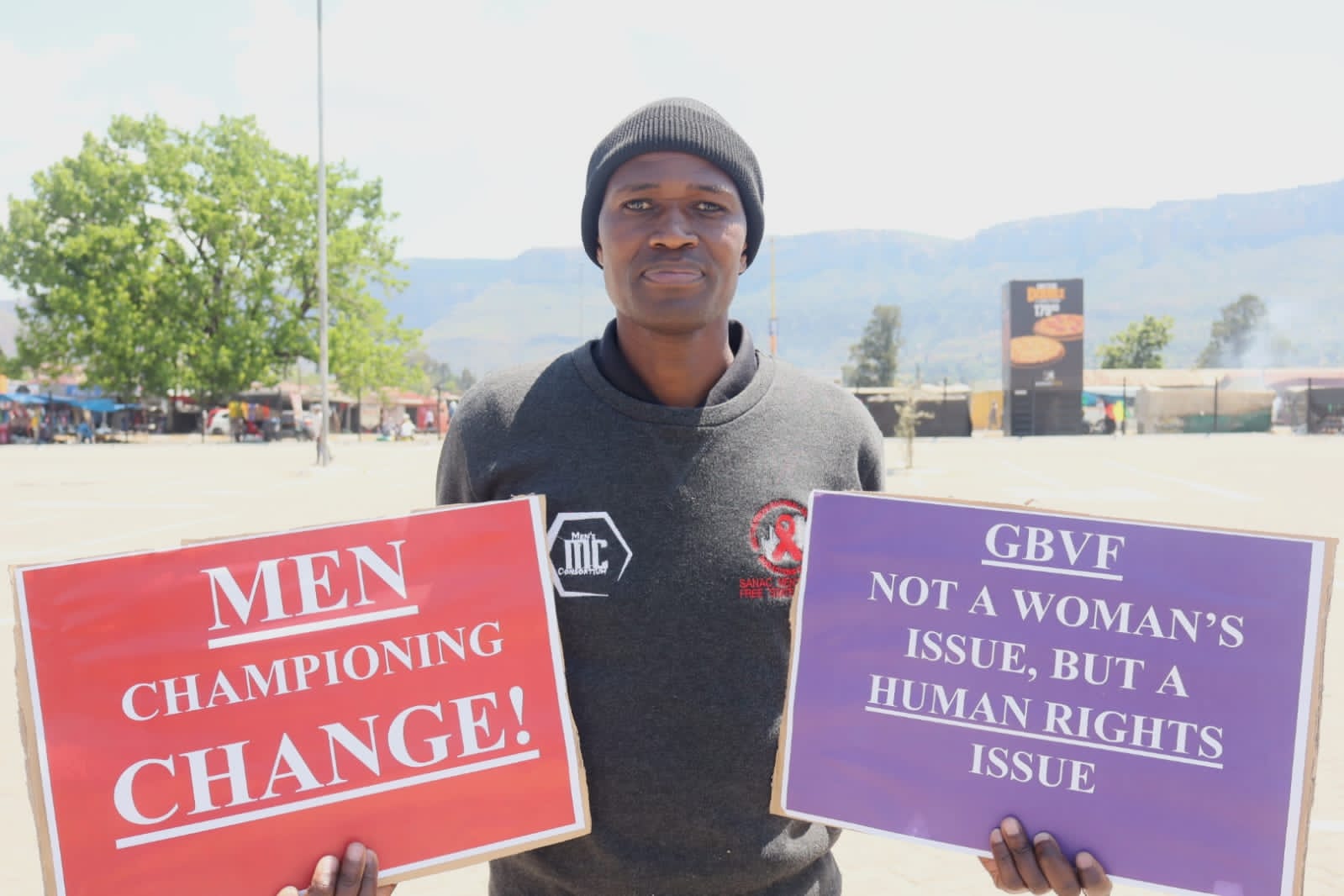
QWAQWA – Frustration boiled over at a Men’s Indaba in Makwane as political and traditional leaders warned that endless dialogue on gender-based violence and femicide (GBVF) is failing victims, calling for urgent, measurable action to halt the crisis.
At the Mohaladitoe School Hall on Sunday, Thabo Mofutsanyana District Municipality Executive Mayor Conny Msibi challenged communities to confront the messages they amplify.
“Social media glorifies the negative and buries the positive. We must take responsibility for what we promote,” she said, pointing to her office’s moral regeneration programmes as a starting point to rebuild community values.
Free State Premier MaQueen Letsoha-Mathae said open conversations among men were necessary—but no longer enough.
“GBVF is not a men-only issue. It is rooted in deeper social and economic pressures that we must confront collectively,” she said.
She warned that violence in homes is breeding the next generation of abusers.
“Children who witness violence carry it forward. Fathers must understand: violence destroys families and forces children into roles they should never play.”
Letsoha-Mathae also pushed for accountability on both sides of relationships, saying toxic dynamics—whether driven by abuse or financial dependency—must be addressed head-on.
Representing the Bakoena Royal Household, Morena Peete Peete drew a direct line between violence and economic despair.
“Young men are trapped in unemployment and exclusion. That frustration turns dangerous when it has no outlet,” he said.
Letsoha-Mathae underscored the role of traditional leadership, insisting they must move beyond ceremonial functions to active intervention.
“These are not isolated issues. They cut across politics, religion and culture. Government cannot fight this alone.”
The message from the indaba was blunt: awareness without action is meaningless. Leaders agreed that only sustained interventions—jobs, stronger families and community accountability—will begin to turn the tide against GBVF.