
By Emily Setona
QWAQWA – Raw emotion, sharp divisions and calls for accountability defined a heated men’s indaba that laid bare the complex realities of relationships, violence and healing in communities.
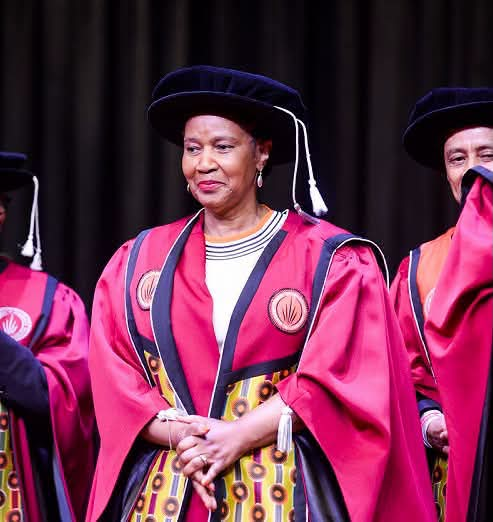
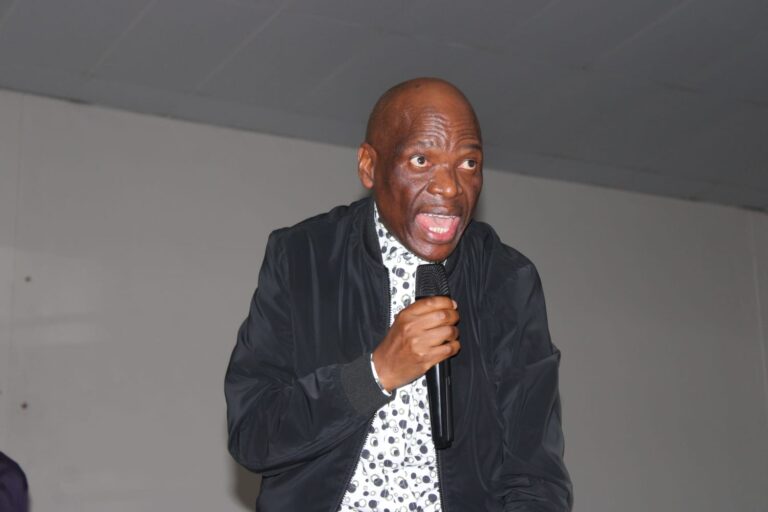
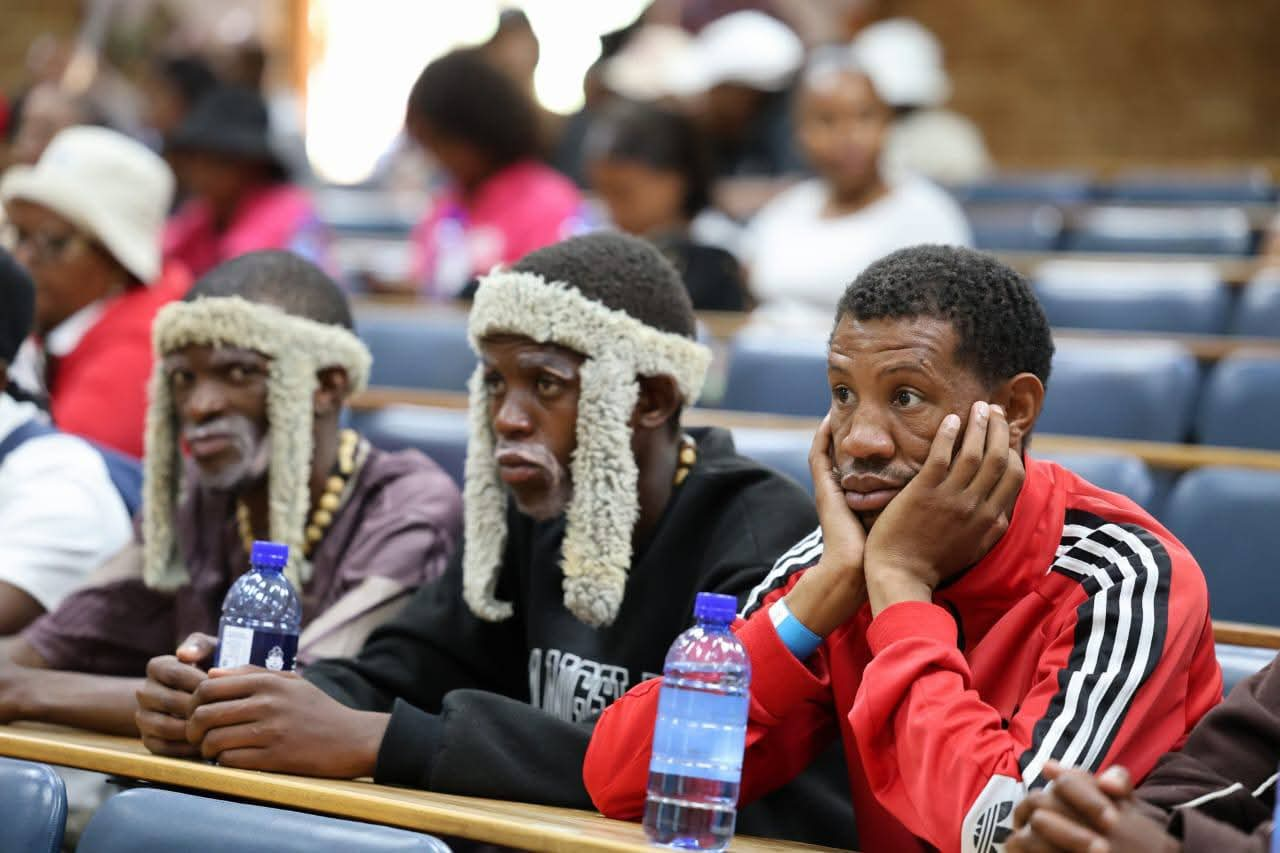
Held at Mohaladitoe School Hall on Sunday, the gathering brought together residents, faith leaders and government representatives, including radio personalities Thuso Motaung and Moruti Maine, with Free State Premier MaQueen Letsoha-Mathae delivering a keynote address.
What was meant to be a platform for open engagement quickly revealed underlying tensions — particularly over whether men can speak freely about personal struggles in spaces that include women.
Several attendees questioned the structure of the indaba, arguing that men need protected platforms to confront sensitive issues without fear or judgment.
Others, however, insisted that meaningful solutions require both men and women to be part of the conversation.
Inside the hall, testimonies reflected the lived realities behind the debate.
Sixty-year-old Malucky Makule from Honeyville Makwane said she attended specifically to hear Motaung, describing the discussions as deeply relevant.
“Marriage is not easy,” she said.
“The message encouraged us to love even when it is difficult. Men and women suffer differently in relationships, and that must be understood.”
Mateboho Khodumo from Mphatlalatsane Ward 2 said the indaba offered practical guidance often missing in community discussions.
“We were encouraged to avoid constant conflict and to listen more, especially to our children,” she said.
But outside the venue, frustration simmered. A group of men openly expressed discomfort, saying the presence of women limited honest engagement.
They argued that, much like traditional women-only gatherings such as pitiki, men also require safe, exclusive spaces to confront issues such as emotional trauma, failed relationships and social pressure.
For some, the indaba became a rare opportunity to confront deeply personal pain.
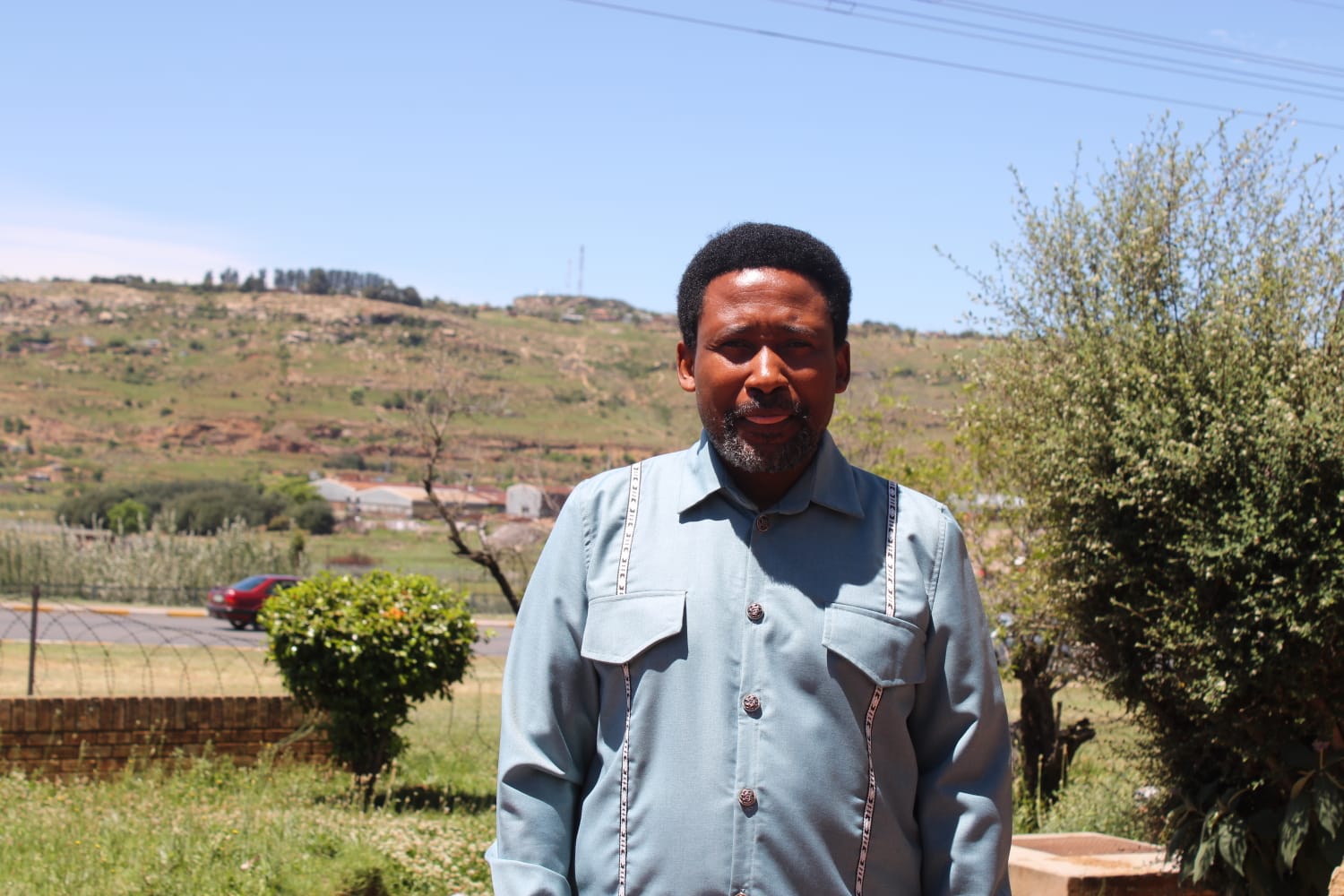
Abraham Sekhoathane, 64, from Namahadi, originally from Lesotho, shared the lasting impact of divorce on his life.
“My wife left, and I am still healing,” he said.
“My children have distanced themselves from me. Being here has taught me humility and respect for others.”
His testimony highlighted the emotional toll often left unspoken among men — a theme that resonated across the gathering.
Tshediso Maduna, 37, from Marakong, said the discussions reinforced the need for responsibility and discipline.
“As men, we must focus on our families and stop destructive behaviour,” he said.
“We have a duty to raise our children properly.”
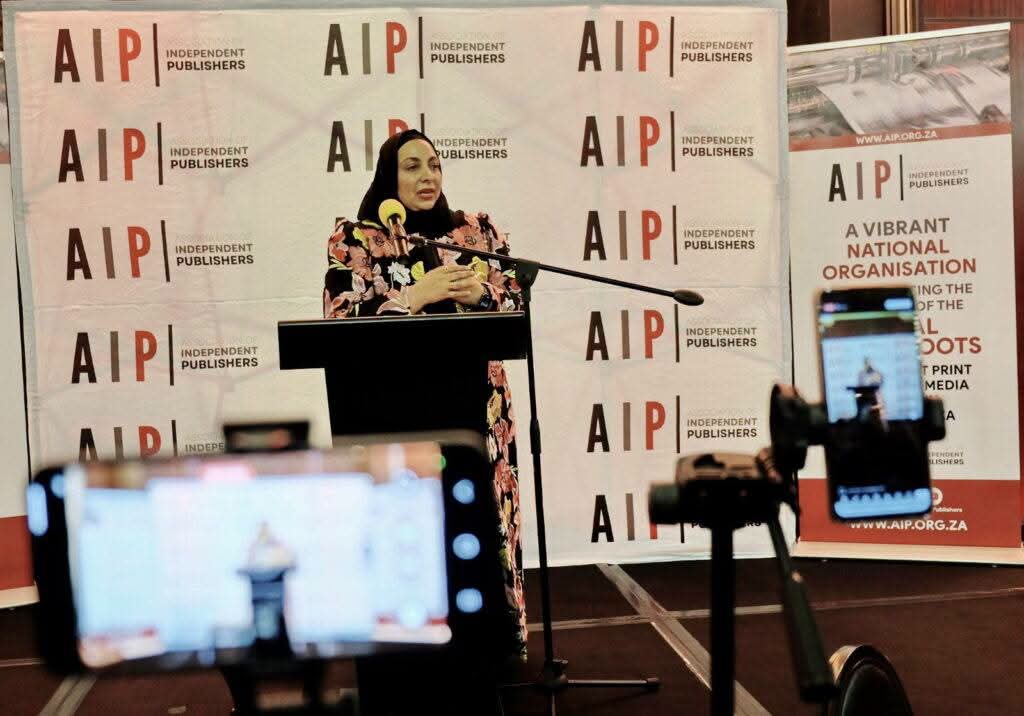
Responding to criticism, Letsoha-Mathae defended the inclusive format, saying excluding women would undermine efforts to address violence.
“Women are not only victims but can also be perpetrators,” she said. “They must take this message back to their communities.”
The indaba ultimately exposed a deeper national conversation — one that goes beyond dialogue to the question of how communities confront violence at its roots.
While divisions remain over how these conversations should be held, the message from QwaQwa was unmistakable: without accountability, honest reflection and shared responsibility, the cycle of violence will persist.