
By Teboho Moloi
QWAQWA – The South African Communist Party (SACP) in the Thabo Mofutsanyana District has vowed to escalate its demands to the Free State Premier’s Office after government departments failed to attend and receive a memorandum of grievances during a community march in Phuthaditjhaba on Friday.
The march, led by the SACP and supported by community members, moved from the Phuthaditjhaba Community Hall along Mampoi Road to government offices, where demonstrators called for urgent interventions to tackle unemployment, poverty and the collapse of local industries.
Among the key demands were government funding for small-scale manufacturers, access to tools of trade, the reopening and allocation of abandoned factory spaces, and intervention to address rising fuel and paraffin prices that continue to place pressure on struggling households.
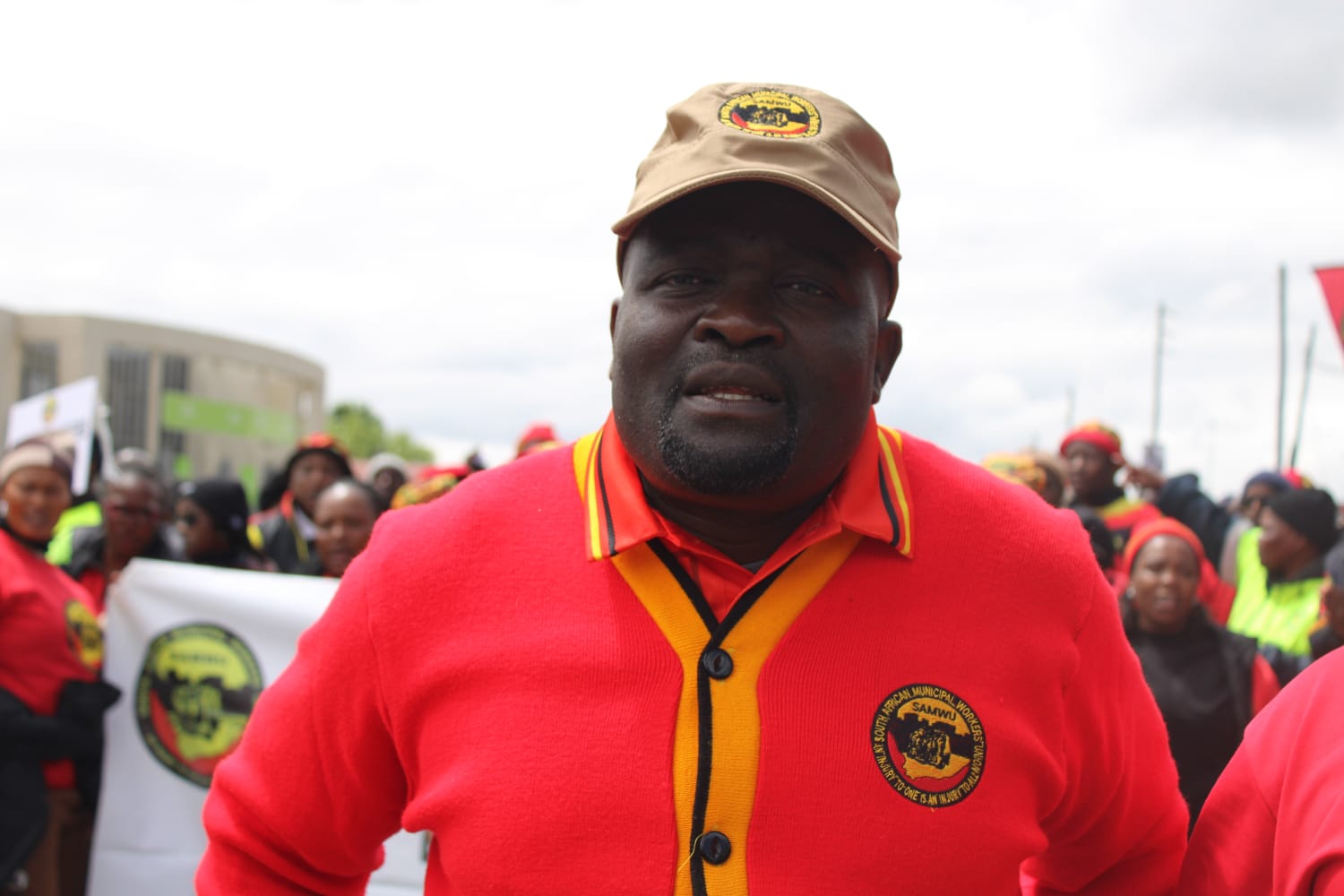
SACP Thabo Mofutsanyana District Secretary Lifa Mhlambe said the organisation was deeply disappointed by the absence of provincial government representatives, accusing authorities of ignoring the plight of communities desperate for economic opportunities.
Only Ncedo Ganiso, a licensing officer from the Department of Mineral and Petroleum Resources, attended and received the memorandum on behalf of his department.
“We are extremely disappointed. Community members came here prepared to present practical solutions and requests for support so that they can create jobs and fight poverty. Instead, government departments failed to show up,” said Mhlambe.
“This clearly demonstrates a government that is out of touch with the needs of ordinary people. We will now engage higher offices, including the Office of the Premier, to ensure these concerns receive the attention they deserve.”
Mhlambe said the closure of several factories in QwaQwa had left behind valuable infrastructure and a skilled workforce that could be utilised to revive local economic activity.
“We have many former factory workers who possess the experience and skills needed to operate these facilities. Government should assist them with funding and resources so they can reopen factories, create jobs and stimulate economic growth,” he said.
He stressed that community members were not seeking handouts but opportunities to become self-sufficient.
“The people gathered here want to work. They want to build businesses and create employment for themselves and others. In the long term, that will benefit government and the economy as a whole. We are not engaging in populism; we are leading people who are willing to uplift themselves.”
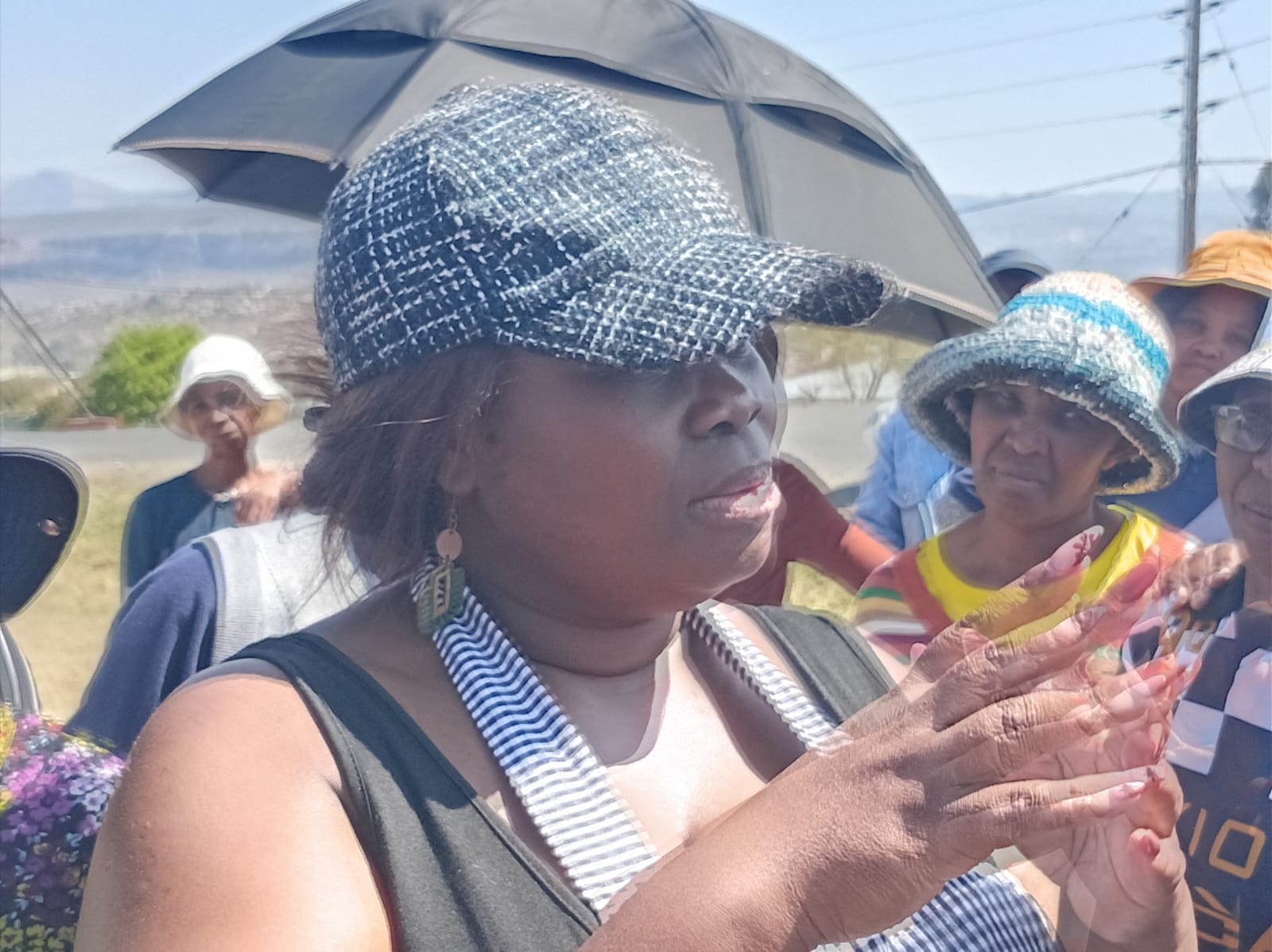
Among the marchers was Sebolelo Mofokeng (54) of Lusaka, a former garment factory employee who said former textile workers were ready to revive the local manufacturing sector if given support.
“We are women and men with extensive experience in the textile industry. We have the skills to produce garments from start to finish. What we need is assistance to establish a fully black-owned textile factory that can create jobs and improve our livelihoods,” she said.
Mofokeng added that rising fuel prices were worsening economic hardship and driving up the cost of food and other essentials.
“Life is becoming more difficult every year. Every fuel increase affects transport costs and food prices, making it harder for families to survive. We need government to help us create sustainable sources of income rather than depend on social assistance.”
The march highlights growing frustration among residents of QwaQwa over unemployment, the decline of local industries and what many perceive as government inaction in addressing economic challenges facing the region.