
By Emily Setona
QWAQWA – Allegations that police are using sex workers as “cash cows” have exposed a deeper problem surrounding the criminalization of sex work – one where people who are already vulnerable may fear reporting those allegedly abusing their authority.
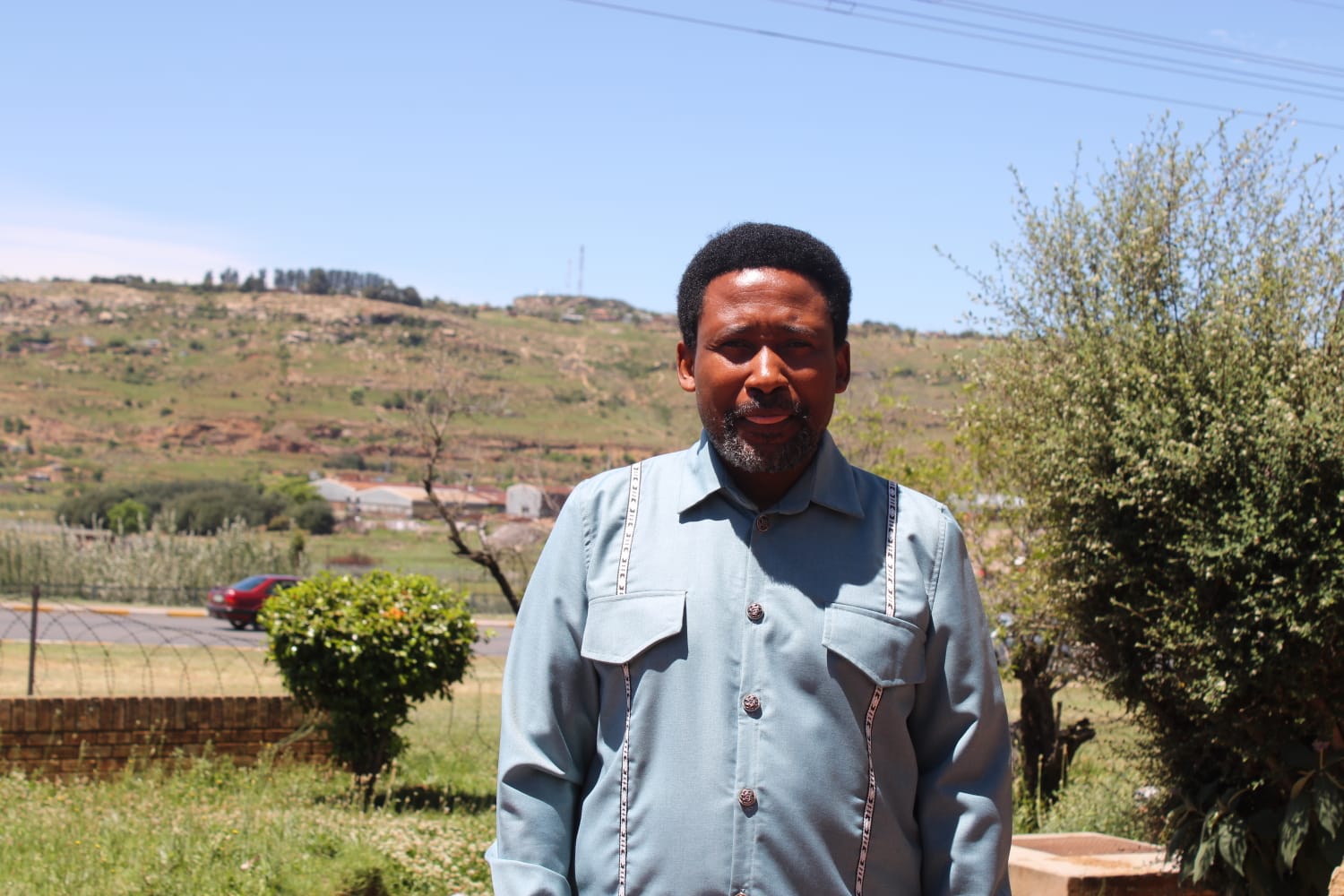
Javu Baloyi, spokesperson for the Centre for Gender Equality, told The Guard that allegations of police apprehending sex workers and demanding money for their release were concerning.
“The alleged demand for money in exchange for release, if established, would not constitute a lawful exercise of policing powers and may amount to serious misconduct and/or criminal conduct, including corruption or extortion,” Baloyi said.
He said the criminalisation of sex work could make it difficult for sex workers to report police misconduct.
“The criminalisation of sex work cannot serve as a licence for the unlawful exercise of police power or the exploitation of persons who may already find themselves in vulnerable circumstances,” he said.
Baloyi said sex workers remained rights-bearers and were entitled to constitutional protection, including equality, human dignity, freedom and security.
“Their status as sex workers does not diminish these protections, nor does it permit discriminatory, degrading, exploitative or otherwise unlawful treatment by law-enforcement officials,” he said.
His comments come amid renewed calls from Yonela Sinqu, spokesperson for the Sisonke movement, for the decriminalisation of sex work.
“The real cost has been lives. We have lost so many lives to the criminalisation of sex work, and we are still losing lives,” Sinqu said.
For Sinqu, the “cash cow” allegations are not an isolated question of police conduct but part of a wider system in which criminalisation, stigma and fear can leave sex workers exposed.
“I’m singing the same song that sex work needs to be decriminalized. We need a safer working environment. We need to protect the children as well,” she said.
Baloyi said the allegations also raised serious gender equality and access-to-justice concerns, particularly where fear of arrest, stigma or reprisals prevents sex workers from reporting abuse.
“This, in turn, creates difficulties in ensuring that such allegations are formally reported, investigated and appropriately addressed,” he said.
The Centre for Gender Equality has long supported decriminalisation, arguing that criminalisation exposes sex workers to abuse and undermines their constitutional rights.
The debate, however, is not simply about removing criminal penalties. It also raises questions about regulation, trafficking, exploitation, child protection, healthcare, labour rights and how police should respond to sex workers.
Baloyi said the allegations should be investigated on their own merits, while stressing that the Centre had not independently verified the claims against police.
The bigger question remains whether criminalisation is protecting society – or creating conditions in which those most vulnerable to abuse are least able to seek protection.
For sex workers and their advocates, the answer is increasingly clear: decriminalisation is not about making exploitation acceptable.
It is about creating a legal framework in which exploitation, coercion, violence and abuse can be confronted without making the people reporting them criminals themselves.