
BLOEMFONTEIN – Heritage institutions must move beyond preserving old artefacts and embrace community knowledge, digital innovation and inclusive storytelling to keep Africa’s liberation history relevant.
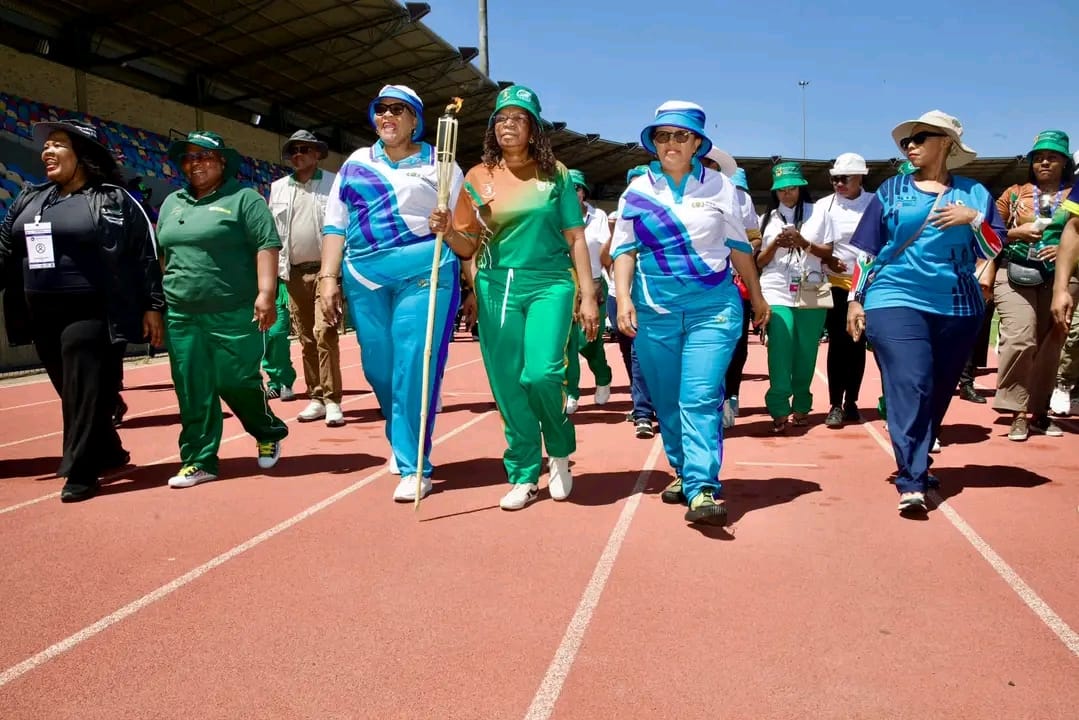
That was the call at the fifth African Liberation Heritage Indaba, hosted by the University of the Free State (UFS) with the Nelson Mandela Museum at the Bloemfontein Campus on 28 and 29 October.
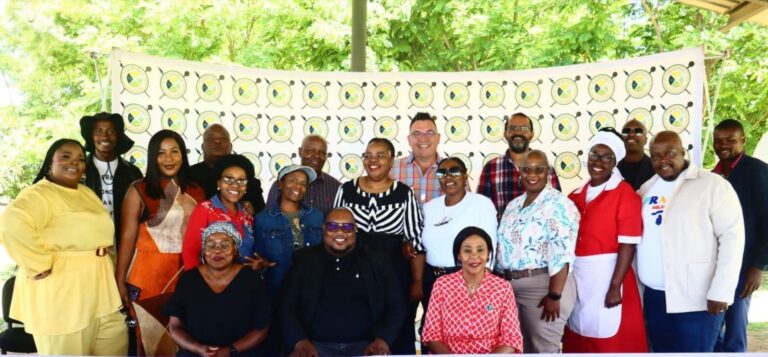
Held under the theme “Reimagining Our Heritage Institutions for a New Era”, the indaba brought together academics, heritage practitioners, government representatives and community stakeholders.
Discussions focused on modernising heritage institutions, strengthening partnerships, and how museums, archives and heritage sites can support social cohesion, economic development and historical knowledge.
UFS Deputy Vice-Chancellor: Research, Innovation and Postgraduate Studies, Prof Vasu Reddy, challenged delegates to ask whose histories are preserved and whose are left out.
“Heritage is not only about what we preserve from the past; it is about what we choose to carry forward into the future.”
He said liberation history should go beyond famous political figures and recognise ordinary people whose sacrifices are often overlooked.
Technology was also discussed as a way to reach young people. Representatives from Lesotho shared a virtual reality project on the lives and succession of the country’s kings, showing how digital platforms can preserve history and create new ways to engage youth.
Delegates stressed that communities should not just be sources of information, but active custodians of their heritage. “Community knowledge is not peripheral to heritage work; it is at its very heart.”
The programme ended with a tour of the Waaihoek Wesleyan Church School, a site linked to the formation of the South African Native National Congress, later renamed the African National Congress, in 1912.
The indaba reaffirmed the need to preserve liberation legacies while keeping heritage institutions connected to the communities whose histories they represent.