
By Teboho Moloi
QWAQWA – The proposed conversion of office space at Naledi Mall into student accommodation has triggered a fierce political and economic backlash, with the Dikwankwetla Party of South Africa warning that the move could threaten the livelihoods of hundreds of families who depend on the local student rental market.
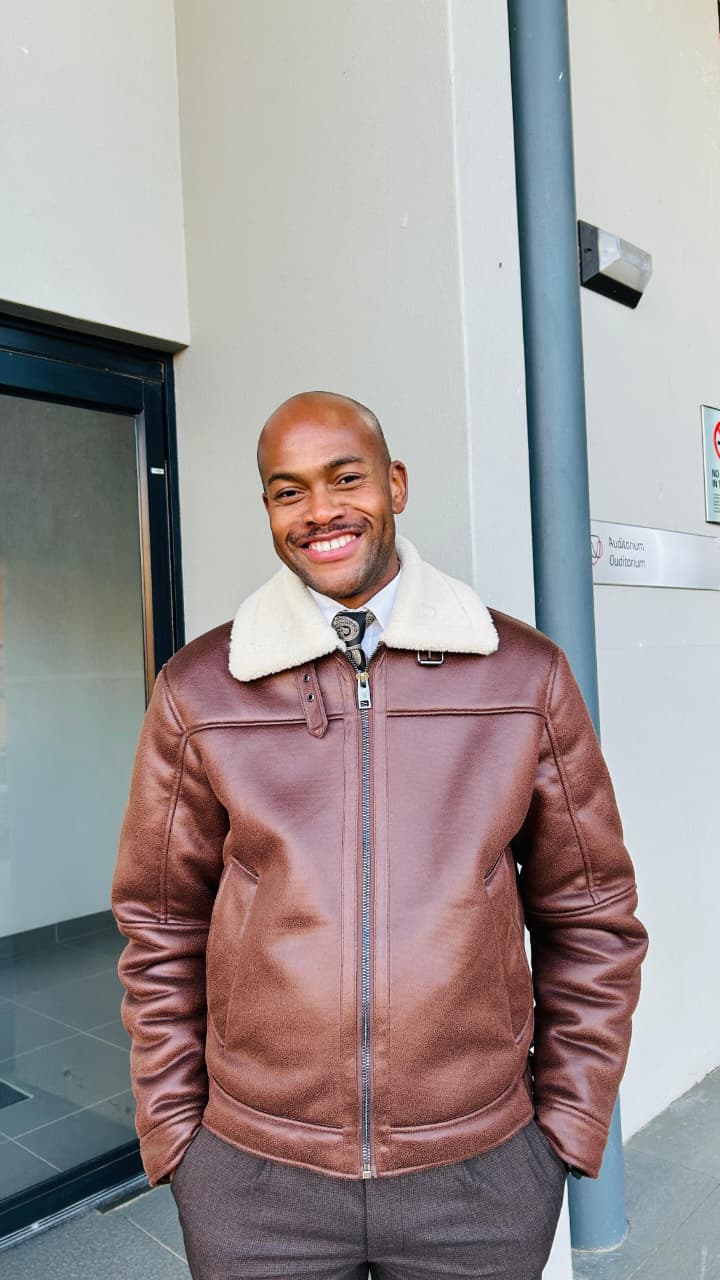
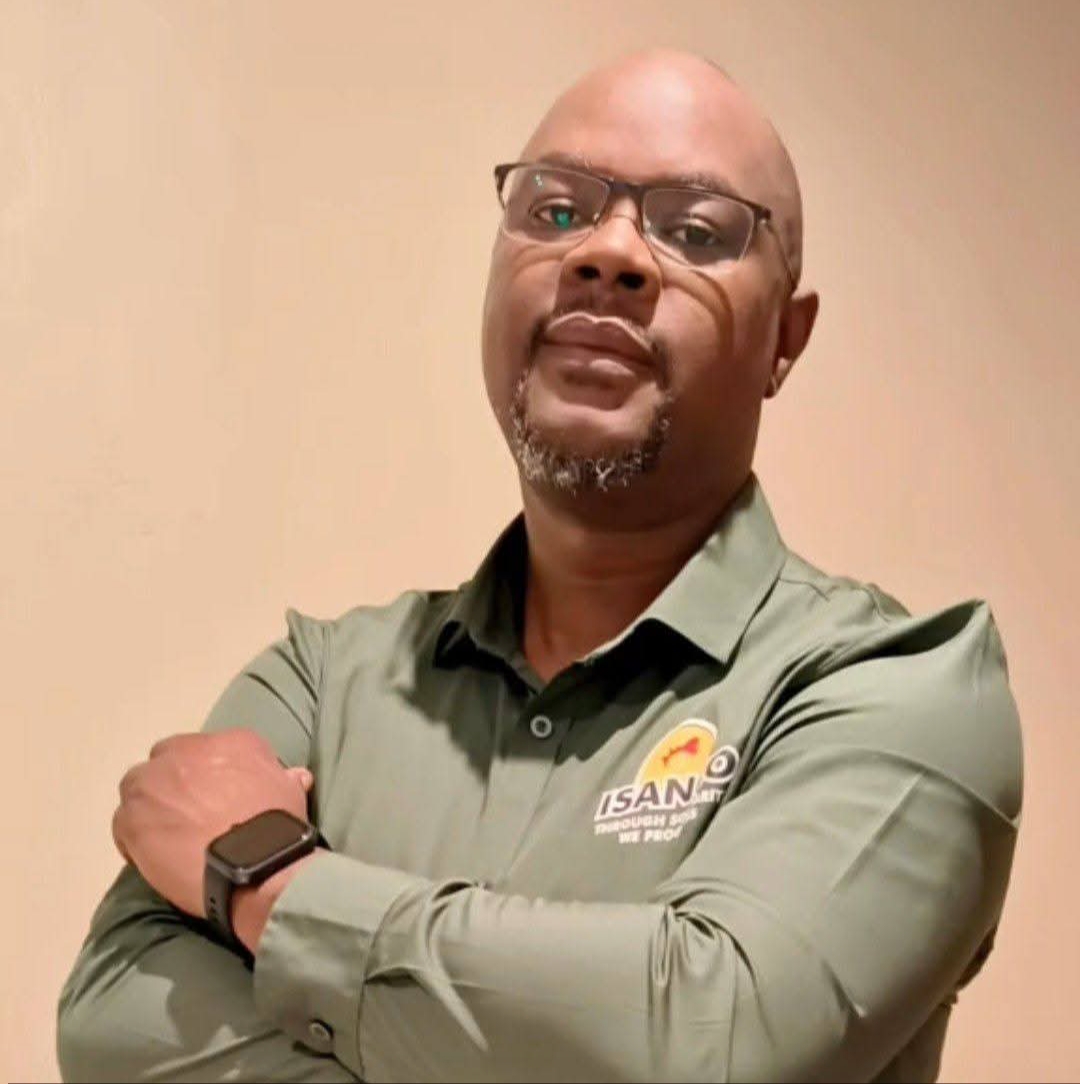
Dikwankwetla Party president Moeketsi Lebesa has strongly opposed the Free State Development Corporation’s (FDC) reported plans, arguing that the project would undermine one of QwaQwa’s few remaining economic lifelines instead of stimulating growth.
Speaking to The Guard on Saturday, 18 July, Lebesa accused the FDC of abandoning its developmental mandate.
“The FDC was created to attract investment, support entrepreneurship and grow the local economy—not to destroy existing sources of income for struggling communities,” he said.
Lebesa said the corporation should be focusing on reviving abandoned industrial facilities and attracting productive investment rather than competing with local residents who have invested in student accommodation.
“Factories have been left to decay while shopping centres and office buildings stand as symbols of economic neglect. The former QwaQwa Development Corporation was established to develop small businesses and stimulate economic activity through production and investment. That vision is being lost,” he said.
He warned that converting commercial office space into student housing would directly compete with local landlords, many of whom rely on rental income to support their families.
“If these plans proceed, the FDC will be taking away one of the few remaining economic opportunities available to ordinary people. It amounts to stealing the community’s last bread,” Lebesa said.
According to Lebesa, the student economy has become the backbone of QwaQwa’s informal economy, with numerous households generating income by renting rooms to students attending local higher education institutions.
“In many neighbourhoods, every second household accommodates between two and four students. This income pays school fees, buys food and keeps families afloat. Any development that destroys existing livelihoods cannot be described as development,” he said.
Lebesa called on the FDC to reconsider the proposal and instead prioritise investments that create new jobs, revive manufacturing and expand economic opportunities without displacing existing sources of income.
He stressed that sustainable economic development should complement community livelihoods rather than replace them, warning that decisions affecting the local economy must be made in consultation with residents and stakeholders.
The Free State Development Corporation had not responded to requests for comment at the time of publication.