
By Emily Setona
QWAQWA – Deep divisions within the Maluti-a-Phofung Local Municipality council were laid bare on Thursday as the Economic Freedom Fighters (EFF) rejected the municipality’s newly adopted 2026/27 budget, branding it a “cosmetic budget” that fails to address worsening unemployment, poor service delivery and the needs of young people.
The budget was approved during a special council sitting held at the newly opened Phuthaditjhaba Community Hall, where 37 of the 60 councillors voted in favour of the spending plan while 23 opposed it.
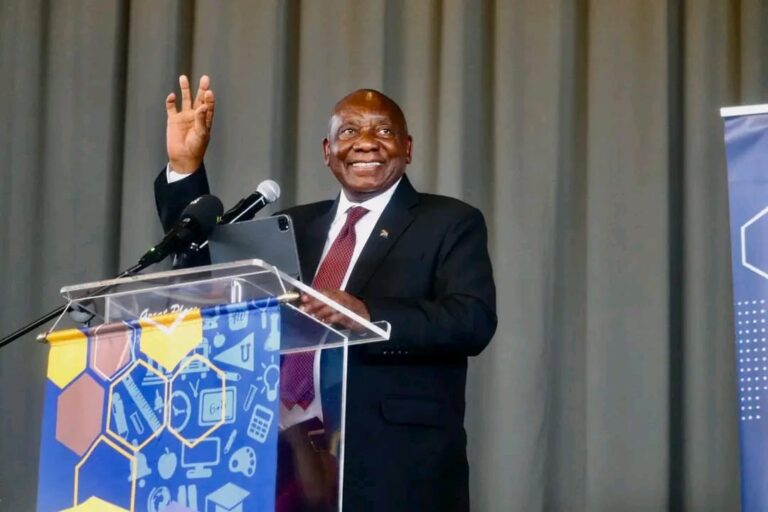
The budget, tabled by Executive Mayor Tumelo Thebe, forms part of the municipality’s strategy to restore basic services, improve infrastructure and stimulate local economic growth.
Key priorities include road rehabilitation, water and sanitation upgrades, electricity network improvements and initiatives aimed at attracting investment and creating jobs.
However, opposition parties questioned whether the municipality has the capacity and resources to deliver on those promises.
Leading the criticism, EFF councillor Chicco Mkwanazi said the budget offered little hope to residents who continue to endure unemployment, deteriorating infrastructure and unreliable services.
“The EFF does not support this cosmetic budget. The budget does not address the issues we have as the youth of Maluti-a-Phofung,” said Mkwanazi.
He accused councillors of failing communities despite being elected to improve residents’ lives.
“The EFF does not accept this budget and the perception that we as councillors are merely salary collectors while communities continue to suffer. Residents expect solutions, not promises,” he said.
Mkwanazi also announced that three councillors who allegedly voted in favour of the budget against the party’s position had effectively been expelled from the EFF.
“Those three EFF councillors are no longer part of the EFF. They are fired,” he said.
His comments followed claims by DA councillor Alison Oates that three EFF councillors had defied their caucus and supported the ANC-led coalition during the vote, helping secure the budget’s passage.
Despite criticism from opposition benches, coalition partners defended their support for the budget, arguing that failure to adopt it would have jeopardised municipal operations and delayed critical service delivery programmes.
ATM councillor Ellen Mofokeng said residents expected practical solutions rather than continued political infighting.
“We accept the budget because we believe it can bring improvements to the community. It is not enough to keep pointing out problems without offering solutions. This municipality belongs to all of us,” she said.
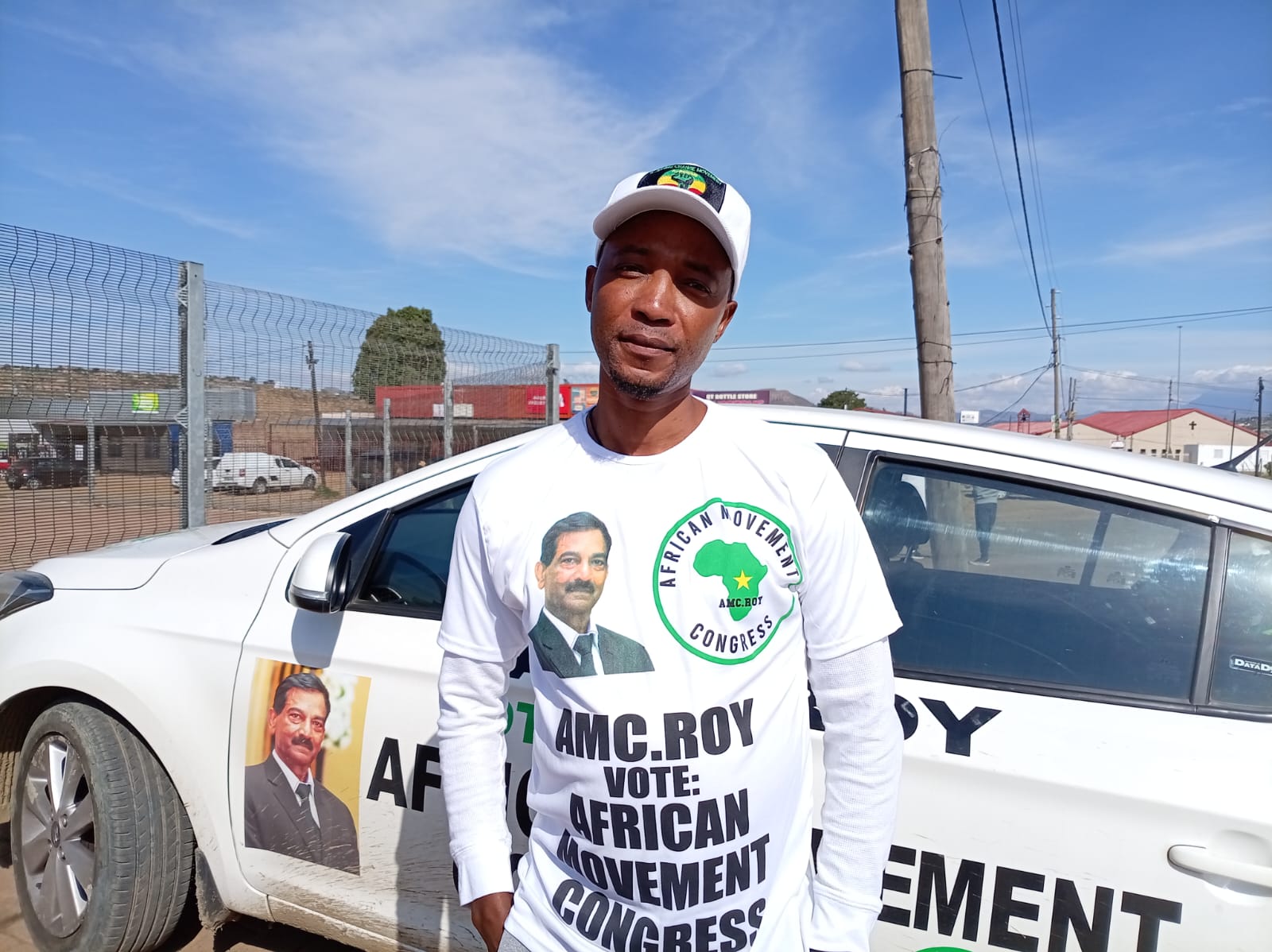
ACM councillor Ntsoaki Motaung acknowledged concerns over the municipality’s financial sustainability but said service delivery had to remain the priority.
“This municipality depends heavily on grants, which means we are living beyond our means. The Executive Mayor must explain how this budget will be funded. We support it because we want uninterrupted service delivery,” she said.
The Democratic Alliance remained unconvinced.
Oates warned against celebrating the budget’s approval while many residents continue to face persistent water shortages, electricity outages and crumbling infrastructure.
“I’m not feeling happy because this budget is being passed to make the Executive Mayor and the Mayoral Committee look good. We must stop congratulating ourselves while communities continue to struggle,” she said.
“Some of the councillors who voted for this budget may not even fully understand it.”
The heated debate highlighted the ongoing political tensions surrounding the municipality’s future as leaders grapple with longstanding challenges, including deteriorating roads, unreliable water supply, electricity interruptions and one of the region’s highest unemployment rates.
While the budget has now been formally adopted, the real test will be whether the municipality can translate its promises into visible improvements for residents who have grown increasingly frustrated by years of service delivery failures.