
By Teboho Moloi
QWAQWA – The Maluti-a-Phofung (MAP) Local Municipality has adopted its 2026/27 budget despite fierce opposition from several political parties, exposing deep divisions within the council over the municipality’s financial recovery plans and revenue projections.
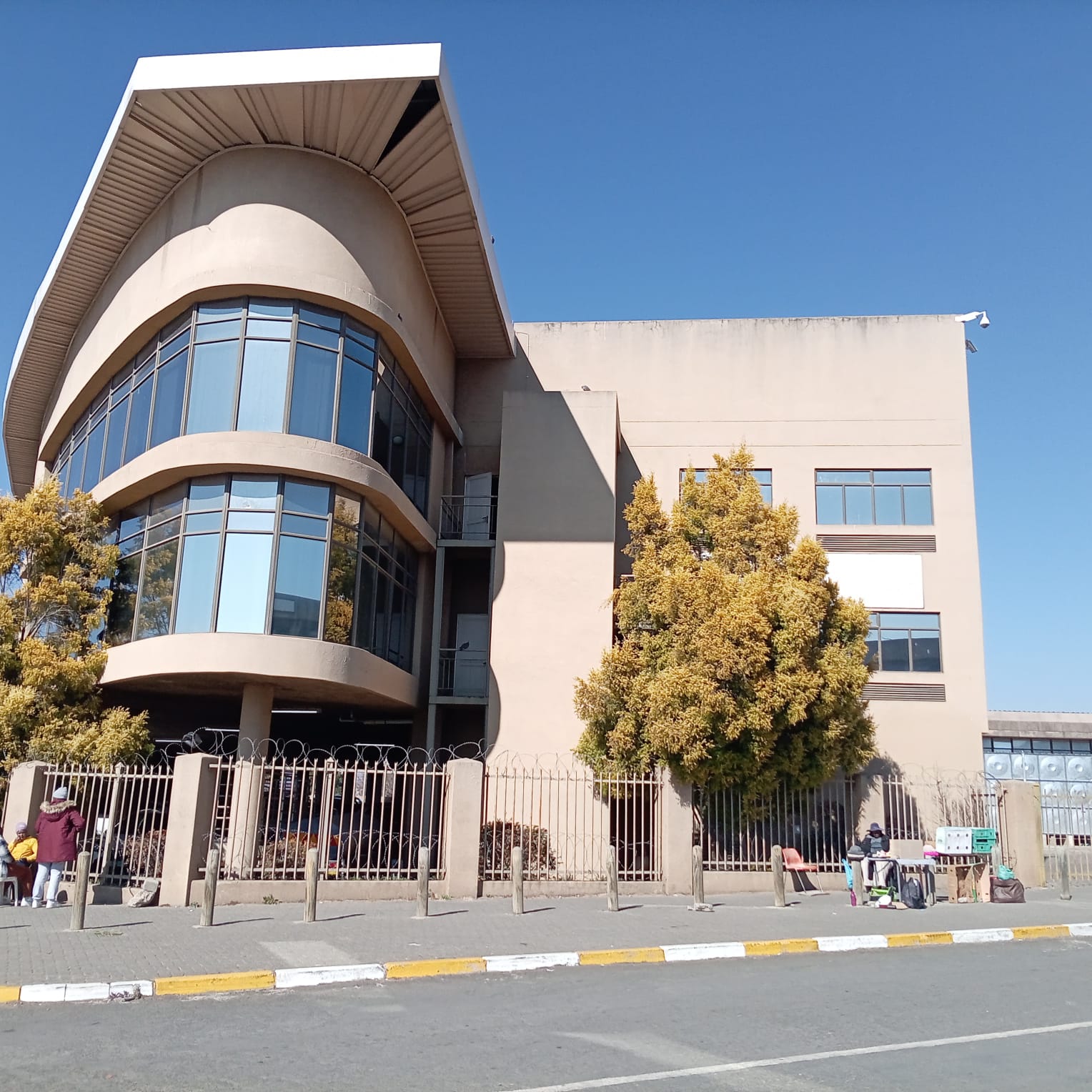
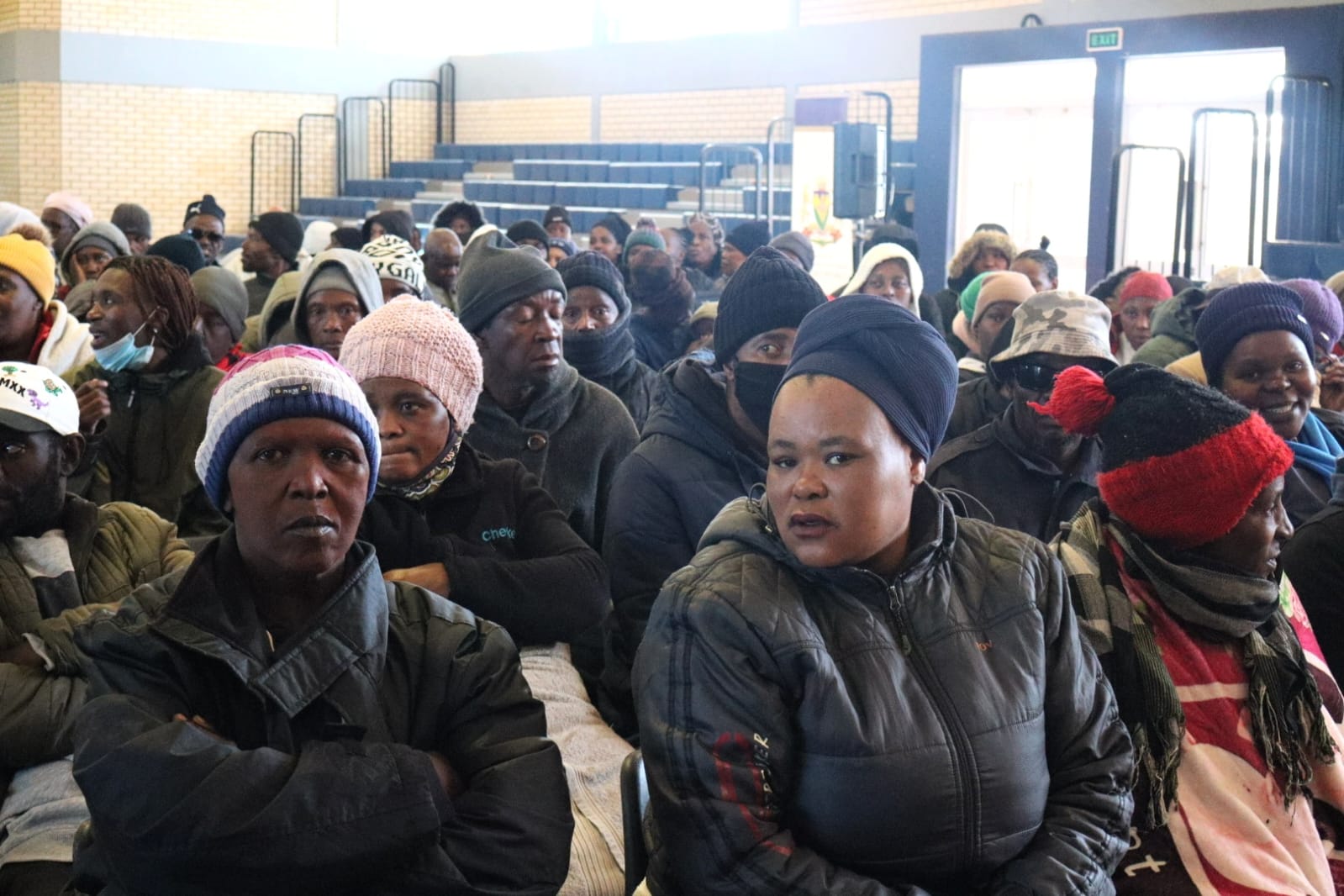
The budget, tabled by newly elected Executive Mayor Tumelo Thebe, was approved on Thursday, June 11, during a council sitting at the newly renovated Phuthaditjhaba Auditorium, just 13 days before the statutory deadline of June 30.
A total of 37 councillors voted in favour of the budget, while 23 voted against it.
Presenting the budget, Thebe called for political stability and unity, arguing that service delivery should take precedence over political battles.
“We must put an end to political fighting and focus on improving the lives of our people through effective service delivery,” said Thebe.
The mayor identified youth unemployment and economic development as key priorities of the new administration, placing particular emphasis on the planned Maluti Special Economic Zone (SEZ).
“The Maluti SEZ will help us realise the dream of creating both permanent and temporary jobs, with young people among the primary beneficiaries. I also call on residents to protect our factories and stop acts of vandalism because these factories are our gold,” he said.
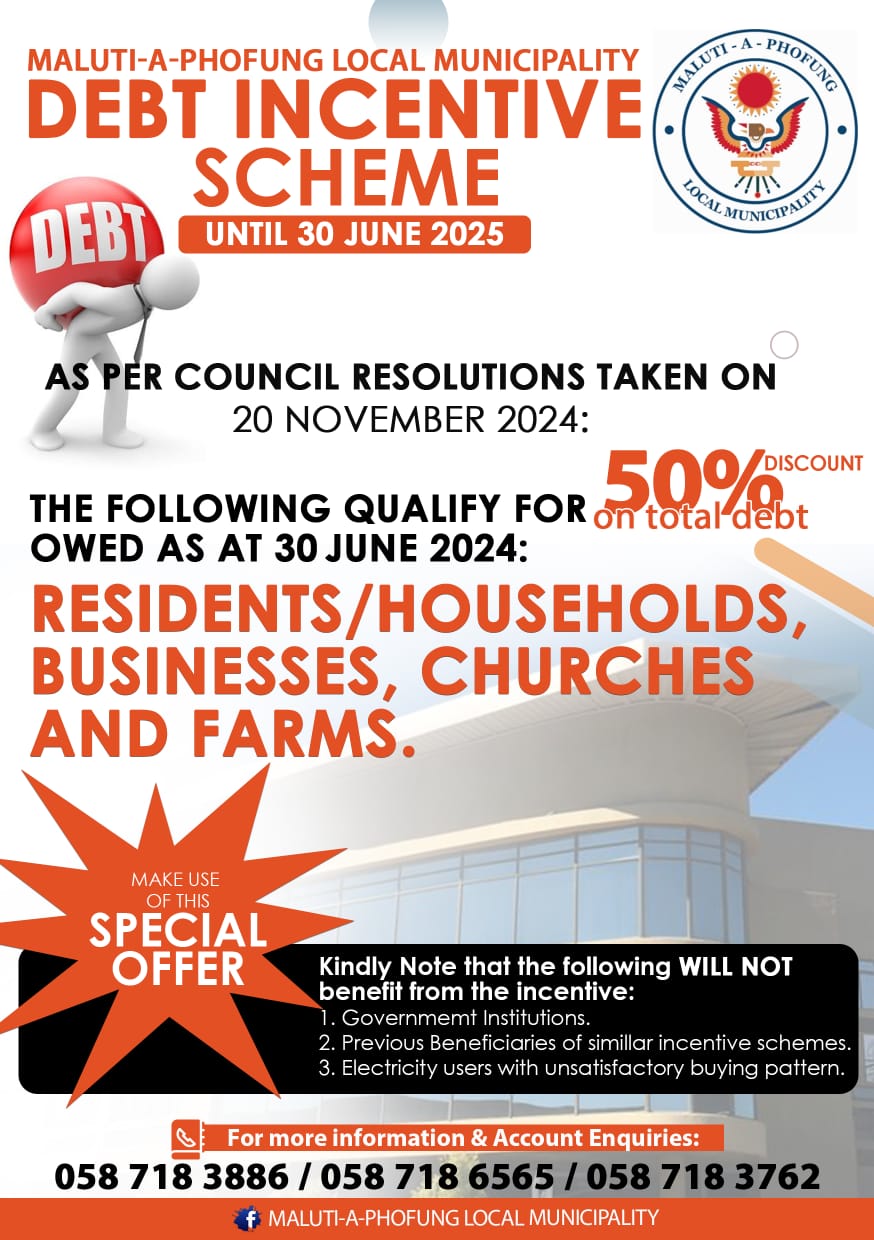
Thebe further urged residents to pay for municipal services, including electricity and water, stressing that revenue collection is essential for the municipality’s sustainability.
He said progress was being made in the municipality’s debt recovery and electricity management programme through its agreement with Eskom under the Debt Assistance Arrangement (DAA).
“Our agreement with Eskom is beginning to bear fruit. Eskom has now assumed full control of electricity distribution in Kestell,” he said.
The mayor also warned against the illegal occupation of land, particularly around urban areas, and urged residents to wait for official announcements regarding land earmarked for township establishment.
However, opposition parties sharply criticised the budget, questioning the municipality’s ability to achieve its ambitious revenue targets.MAP 16 Civic Movement councillor Paratlane Motloung described the budget as unrealistic and disconnected from the municipality’s current financial realities.
“It is unreasonable to expect such a significant increase in revenue collection given the current state of the municipality. Residents are reluctant to pay for services when the municipality is failing to meet its obligations. This budget amounts to compliance on paper rather than a realistic financial plan,” said Motloung.
Member of the Mayoral Committee responsible for Finance, Peter Khumalo, defended the budget, saying the municipality was entering a new phase of revenue generation.
He revealed that long-awaited smart water meters would soon be installed, a move expected to improve billing accuracy and strengthen revenue collection.
“We are now positioning the municipality to collect revenue more effectively from water and electricity services rendered,” said Khumalo.
Democratic Alliance councillor Allison Oats also questioned the credibility of the revenue projections, accusing the administration of producing a budget designed to create a positive image rather than reflect reality.
“It previously took the municipality nearly ten months to collect certain revenue targets, yet now it expects to achieve far more within a much shorter period. Those projections are simply unrealistic,” said Oats.
African Content Movement councillor Mandla Holly called for the urgent formalisation of wards and settlements, arguing that proper planning and administration would strengthen revenue collection and improve municipal governance.
The budget vote marks one of the first major tests for Thebe’s administration as it seeks to restore financial stability and improve service delivery in a municipality that has long struggled with debt, infrastructure backlogs and weak revenue collection.