
QWAQWA – For some voters, casting a ballot is an opportunity to shape the country’s future, while for others, years of voting have done little to restore their confidence in political parties.
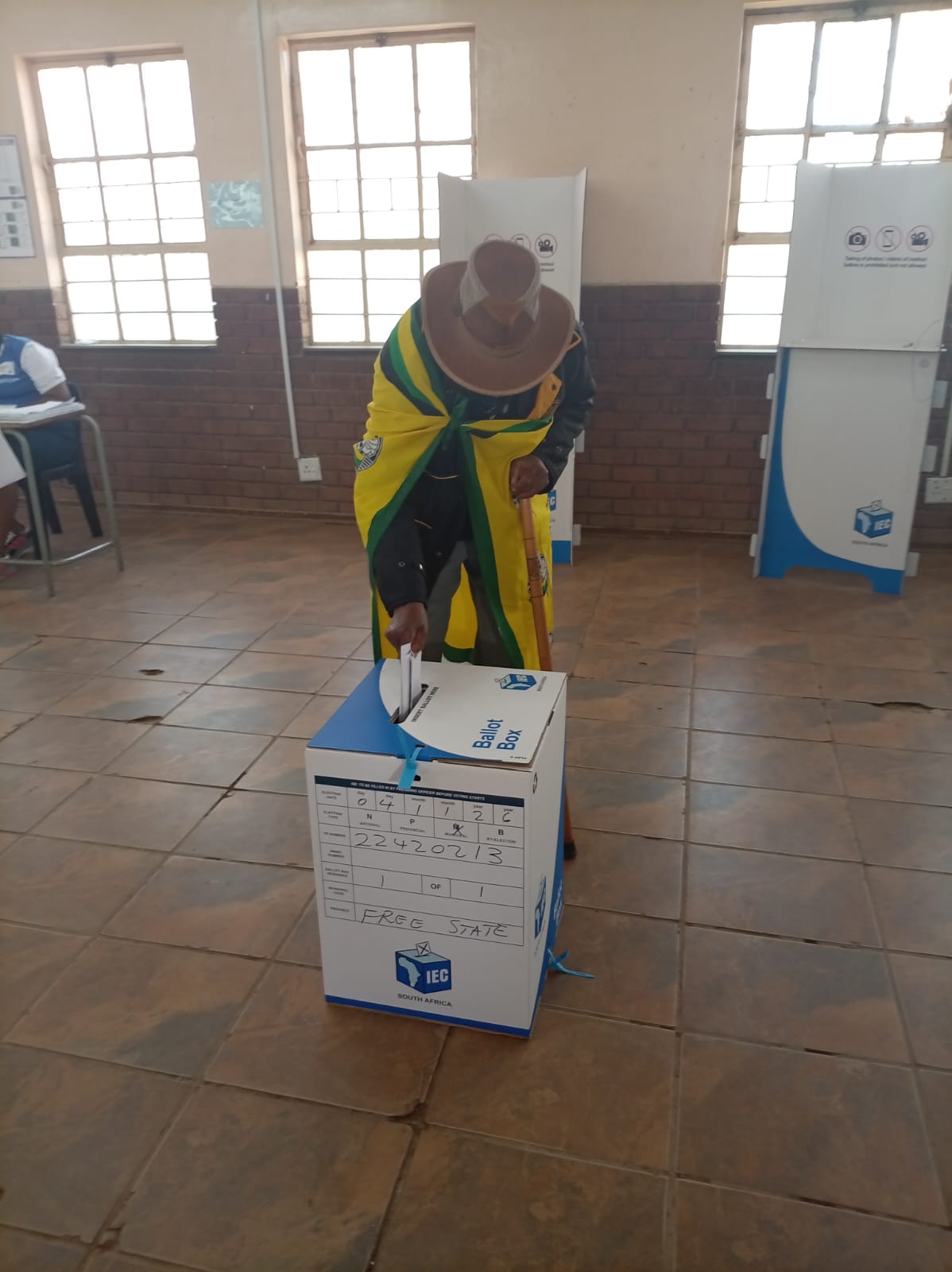
As residents of QwaQwa headed to the polls on Wednesday, November 4, their reasons for participating in the local government elections reflected different generations’ expectations, frustrations and understanding of the power of the vote.
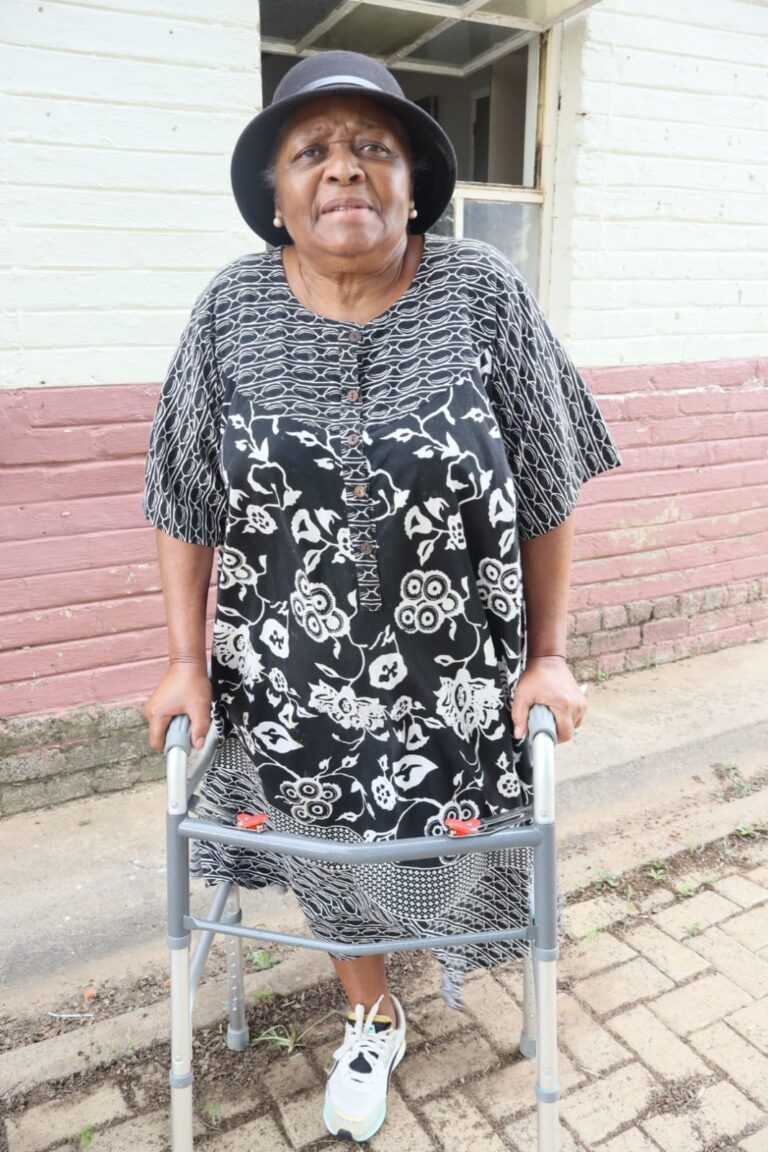
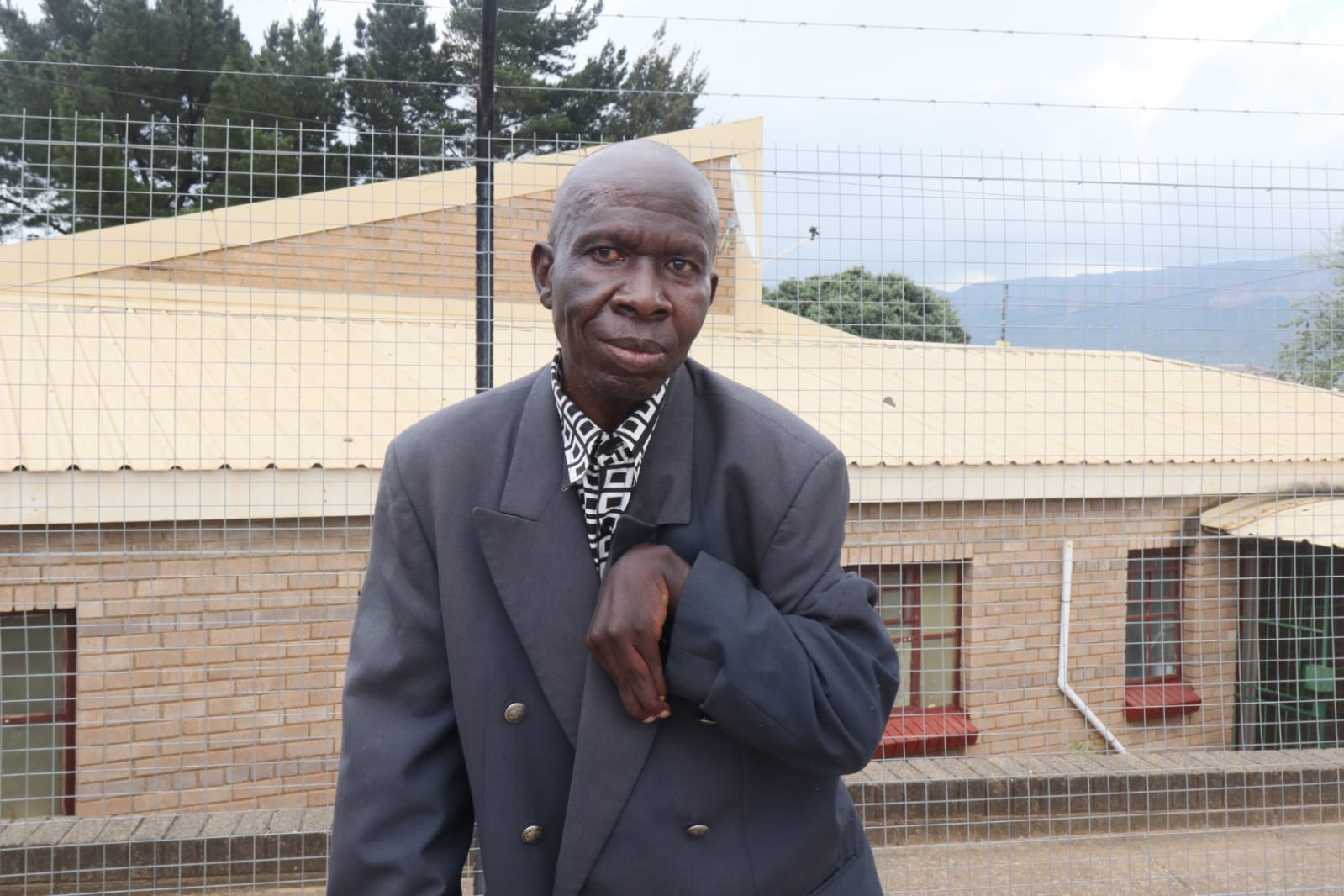
Sixty-eight-year-old Mamofuta Moshoeshoe, who lives with a disability, said her circumstances had not diminished her determination to exercise her democratic right.
“The importance of voting is that you choose a party of your choice that will work for you. Even though I am 68 and living with a disability, I know where we come from and I can see where we are going,” she said.
Moshoeshoe urged young people not to take their right to vote for granted, arguing that participation was necessary if they wanted to hold political parties accountable for issues affecting them, particularly unemployment.
“I urge young people to vote because if you don’t, you won’t be able to complain about unemployment or anything else because you did not vote. I have come a long way with my choice to vote,” she said.
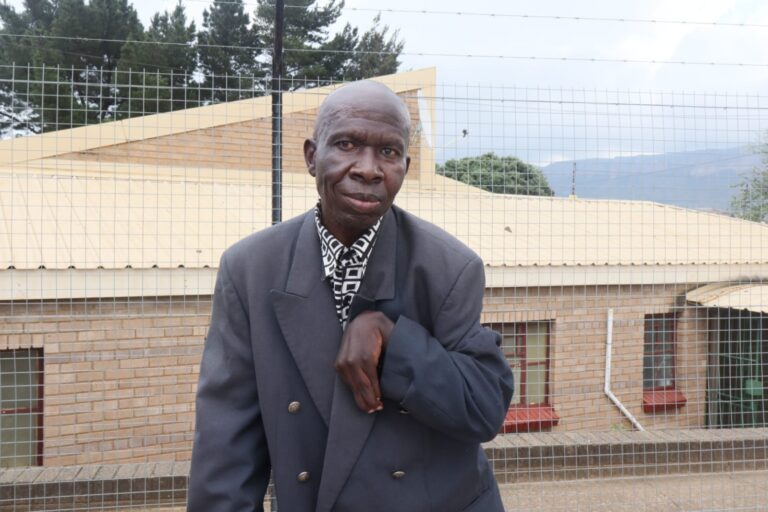
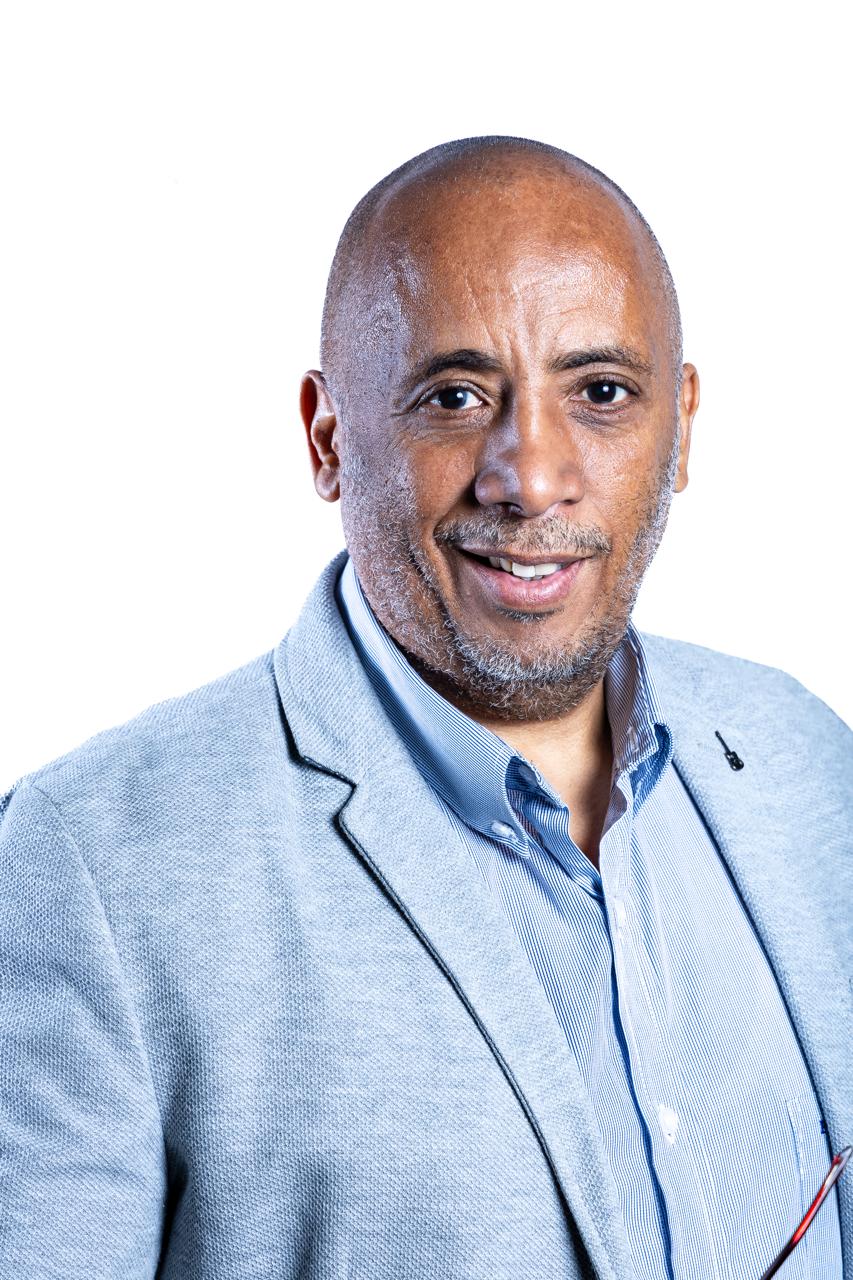
For 33-year-old Motsemela Moloi, participating in the elections for the third time was equally important, particularly because young people needed to become more actively involved in deciding who governs them.
He argued that although young people frequently complain about the country’s challenges, political power often remains in the hands of older generations, making it important for the youth to use their votes to influence leadership.
“This is my third time voting. It is important that young people vote because we complain about the things happening in the country, but the elders are the ones who hold the power. We must vote for the party of our choice so that, when we have complaints, we can address them to the particular party we voted for,” Moloi said.
He said young people should not remain on the sidelines criticising political leadership without participating in the democratic process.
“Instead of standing on the sidelines and saying we voted for them and now look at what they are doing, we must take responsibility by voting. It is important for a young person to vote,” he said.
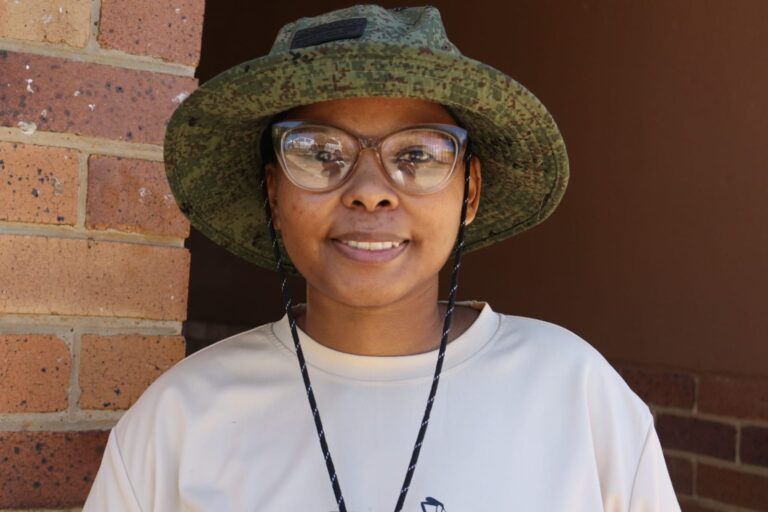
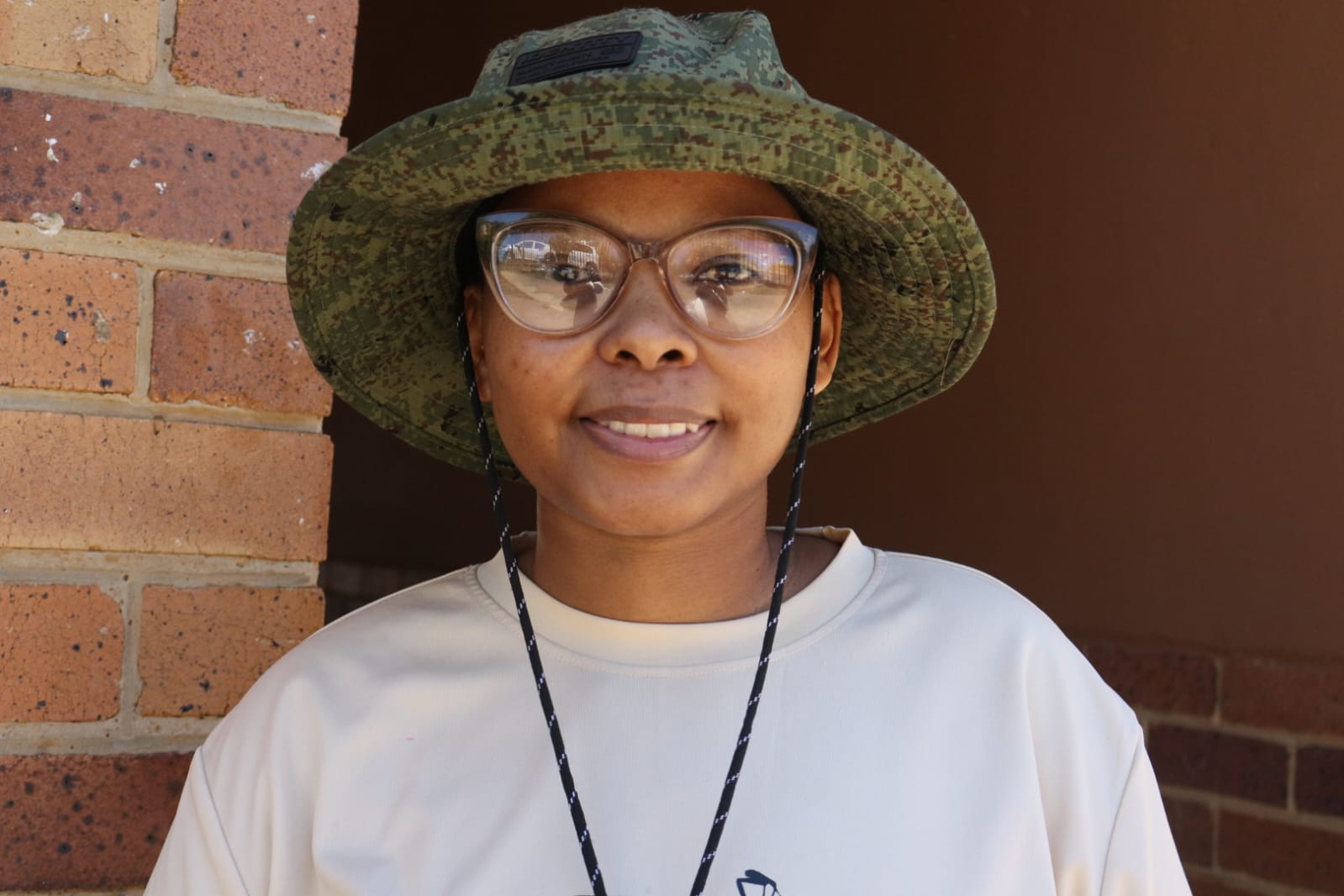
However, 58-year-old Manthso Molefe offered a contrasting perspective, describing her participation in the elections as more of a habit than an expression of confidence in political leadership.
Having voted in every election since 1994, Molefe said she continued to cast her ballot despite feeling increasingly hopeless about the country’s political landscape.
“Since 1994, I have been voting. What I am doing right now is a force of habit or culture. I just feel hopeless, and I am performing a culture or habit,” she said.
Although she had once again exercised her democratic right, Molefe said she no longer saw meaningful differences between political parties.
“Yes, I voted, but to me, all these political parties are the same,” she said.
Their experiences highlighted the different sentiments shaping voter participation in QwaQwa, from the determination to protect hard-won democratic rights to young people’s desire for political accountability and the growing disillusionment of long-standing voters.