
By Teboho Moloi
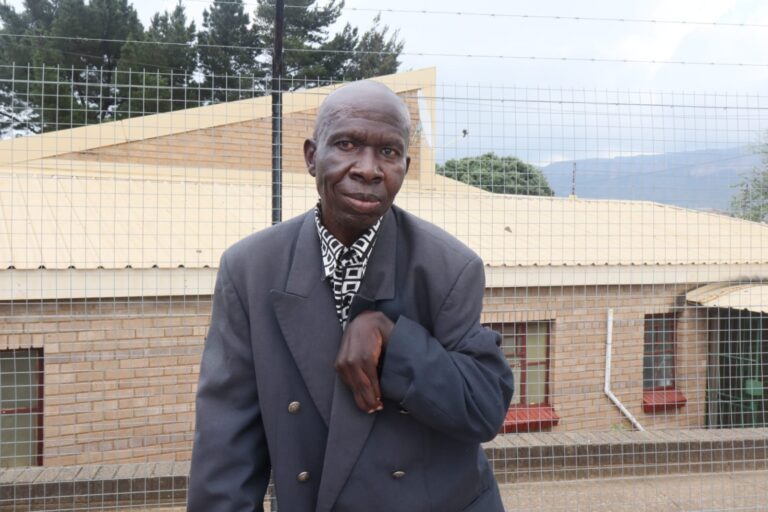
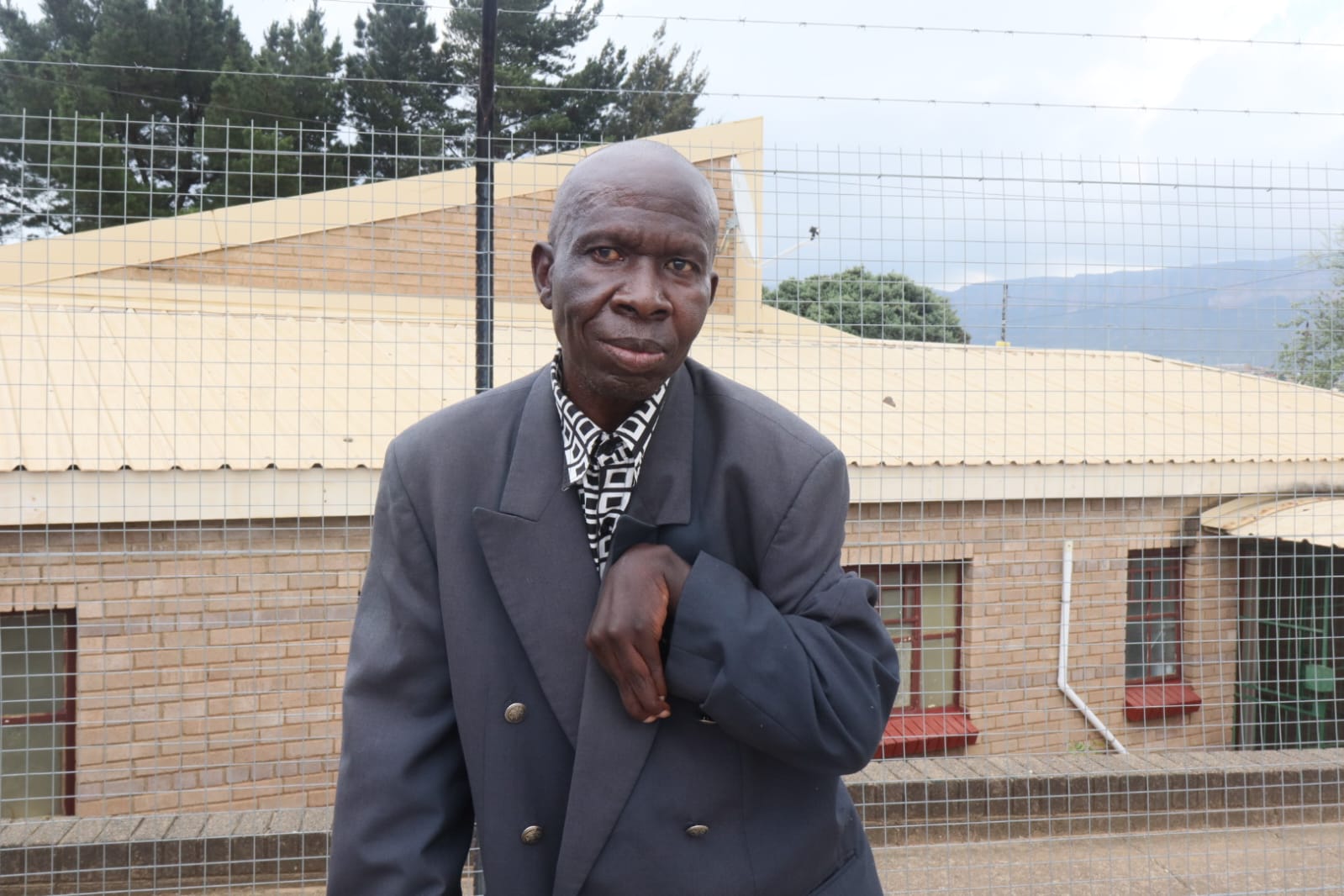
QWAQWA – A 21-year-old man from Tseki village in the eastern Free State says years of living without a South African identity document have left him feeling excluded from opportunities available to other young people and uncertain about his future.
Khopotso Rasenekale has spent his entire adult life relying solely on a birth certificate after repeated attempts to obtain an identity document failed. He says the situation has robbed him of educational, employment and development opportunities, leaving him frustrated and hopeless.
The aspiring engineer believes he has been denied a chance to build a better future and fears he may also be unable to participate in future national and local government elections.
Rasenekale’s struggle began after the disappearance of his mother, Elizabeth Mmotseng Rasenekale, on December 6, 2009, when he was just four years old.
Following her disappearance, he was left in the care of his older sisters, who were 16 and 18 years old at the time.
“My life has been a challenge all this time because I could not apply for government learnerships, internships, job opportunities or even further my studies. It has been a long and difficult journey, and I no longer know where to seek assistance,” said Rasenekale.
His sister, Nthabeleng Rasenekale, said the family has made numerous attempts over the years to secure an identity document for him without success.
She claimed that officials informed them that their mother needed to be present during the application process despite repeated explanations that she had been missing since 2009 and her whereabouts remain unknown.
“We have all the necessary documents, including our mother’s ID book, my brother’s birth certificate and our own identity documents to prove that he is our biological brother. We are worried about his future. Years are passing and anything can happen to us as his sisters. If something happens to us, who will help him?” asked a concerned Nthabeleng.
She recalled seeing her mother leave home for work on the morning of December 6, 2009. At the time, Elizabeth worked as a street vendor at a nearby shopping centre.
“She left as she normally did, but she never came back home. We have never seen or heard from her since that day,” she said.
The family’s plight highlights the devastating consequences that documentation challenges can have on young people seeking access to education, employment and government services.
However, there may be hope for Rasenekale.Phuthaditjhaba Home Affairs office manager Majoro Tshweu said the absence of the young man’s mother should not automatically prevent him from obtaining an identity document.
Tshweu explained that the family possesses important supporting documents, including the mother’s identity document, Khopotso’s birth certificate and his sisters’ identity documents, which could assist officials in processing the application.
“The fact that the family still has the mother’s identity document, together with his birth certificate and his sisters’ documents, should be helpful in resolving the matter and assisting with his application,” said Tshweu.
For Khopotso, the possibility of finally obtaining an identity document represents more than just a piece of paper — it is a chance to reclaim opportunities, pursue his dreams and secure a place in the future he fears is slipping away.