
By Emily Setona
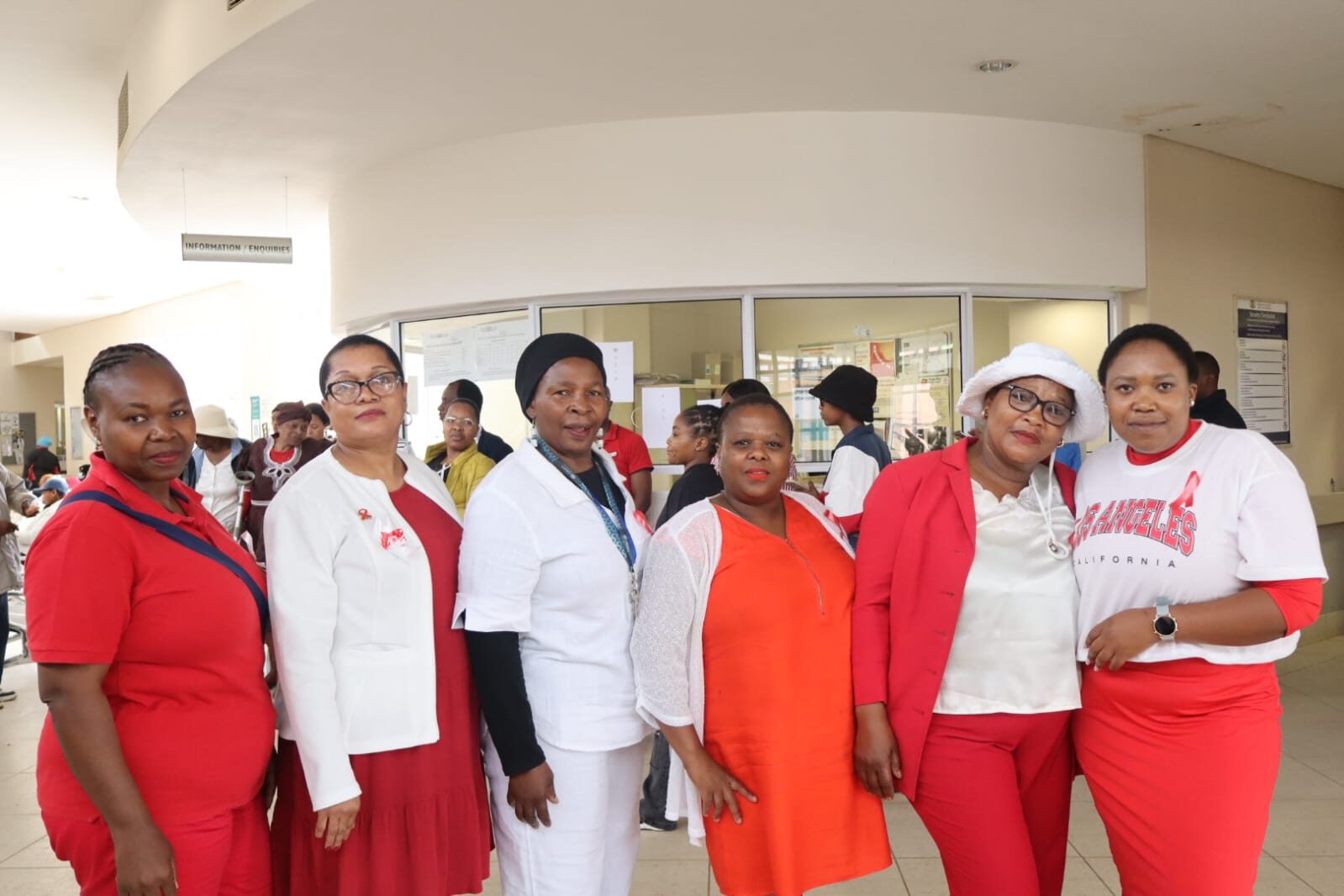
QWAQWA — Elizabeth Ross Hospital marked World AIDS Day not only with commemorations, but with a powerful reminder of what it takes to fight an epidemic that continues to shape lives across Maluti-a-Phofung.
During activities on Wednesday, 3 December, The Guard spoke to two dedicated professionals driving the hospital’s HIV/TB programme — health workers whose daily efforts reflect both the obstacles and the hope at the heart of South Africa’s HIV response.
Dr Ntokozo Vanqa, who joined the programme in 2023, says confronting the epidemic required deepening his academic and clinical expertise. His motivation, he explained, was simple: “to get an in-depth idea of the issues surrounding the spread of this disease.”
He says one of the biggest challenges in Maluti-a-Phofung is treatment non-compliance, particularly among adolescents, young women aged 18–25, and men over 40.“In general, we have a problem with compliance,” he said.
“Those who come directly to Elizabeth Ross we try to monitor closely, but some patients who collect treatment from various clinics often fall through the cracks.”
This remains a challenge despite treatment being as simple as taking one pill a day.
“People struggle to keep up with their visits, and accessibility is often raised as a barrier. Psychosocial issues also play a role — people fear disclosing their status and, as a result, don’t get the support they need,” he added.
Dr Vanqa noted that the maternity ward has become one of the hospital’s strongest pillars of adherence.
“In maternity we really do our best. They make their follow-up visits here, and when we refer them to clinics, we make sure nurses are aware of their status — because we are trying to save two lives,” he said.
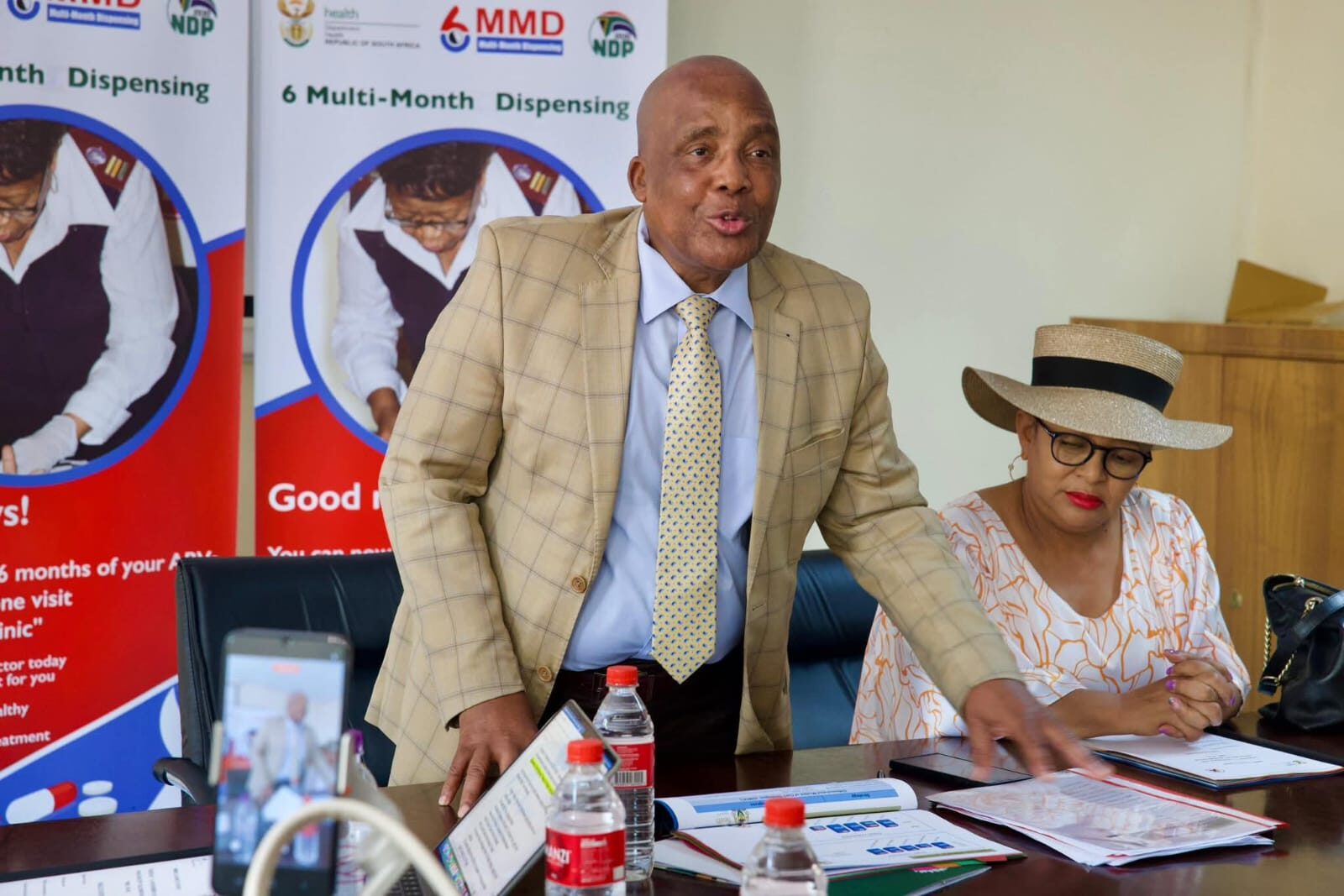
Elizabeth Ross works with 32 clinics, including Kestell, and Vanqa believes stronger community involvement is essential as the country prepares for new six-month HIV treatment options to be introduced next year.
“We need to ensure the population already on treatment remains compliant so that we do not lose patients once the six-month regimen comes into effect,” he said.
Professional nurse and team coordinator, Sister Lobisa Mokonopi, echoed his concerns, emphasising that prevention remains the frontline defence.
“Prevention is better than cure,” she said. “Sexually active people need to use condoms because they prevent three things: HIV, STIs and unplanned pregnancies.”
Testing, she added, is also a key form of prevention because it ensures early diagnosis and immediate access to care.
Sister Mokonopi highlighted male medical circumcision and PrEP as critical interventions, along with reducing multiple sexual partners. She also noted the Minister of Health’s recent announcement introducing an HIV-prevention injection that will offer up to three months of protection from next year.
“As a community we can end the spread of HIV so that by 2030 we have an HIV-free generation,” she said.
“We don’t want newly infected people. Those who are living with HIV must stay on treatment. People must be faithful, practise self-respect and self-care. That is how we will beat this virus together.”
World AIDS Day 2025 comes at a pivotal moment for South Africa — a country that has long carried the world’s highest HIV burden, yet continues to make significant gains through expanded treatment, new prevention tools and strong community mobilisation.
The day remains both a memorial and a call to action, honouring lives lost while urging renewed commitment to protecting future generations.
In Qwaqwa, the message from Dr Vanqa and Sister Mokonopi is clear: with determination, compassion and community partnership, an HIV-free future is within reach.