
By Emily Setona
TWEESPRUIT – The successful completion of the Borwa Clinic in Tweespruit by a woman-led construction firm has reinforced Free State Premier MaQueen Letsoha-Mathae’s long-standing call for the inclusion of women in major infrastructure projects.
The newly completed clinic, described as a world-class health facility, was delivered within the required timeframe by Bloemfontein-born Quantity Surveyor Matlakala Radebe, who served as the main contractor. Radebe is an alumna of the University of the Free State with over 13 years of experience in the construction industry.
The project has been hailed as a significant milestone for women contractors in the province, particularly in an industry traditionally dominated by men. Letsoha-Mathae has consistently advocated for women to take up space in key economic sectors, including construction, arguing that capability, not gender, should determine access to opportunities.
Deputy Minister of Health Dr Joe Phaahla commended the contractor for the quality and timely delivery of the facility, stating that the Borwa Clinic stands as proof that government infrastructure projects can be delivered efficiently when properly managed.
Speaking on the completion of the project, Radebe said her greatest reward was the response from the community.
“My biggest satisfaction is witnessing the joy on people’s faces, the broad smiles, the hope, and the excitement within the community. For me, that is priceless,” she said.
The construction of the clinic was not without challenges. The project team faced water-provision constraints in the area, as well as land allocation issues that caused delays at various stages. Despite these setbacks, the contractor managed to steer the project to completion through what officials described as strong leadership and professionalism.
Noting that the work on Borwa Clinic has opened new doors, Radebe said she is already engaged in new projects and remains focused on delivering with the same level of diligence.
Contractor Development continues to form part of government’s broader strategy to grow emerging businesses, particularly those owned by women. Through training and mentorship programmes, developing contractors are supported to qualify for larger projects and to strengthen their operational capacity.
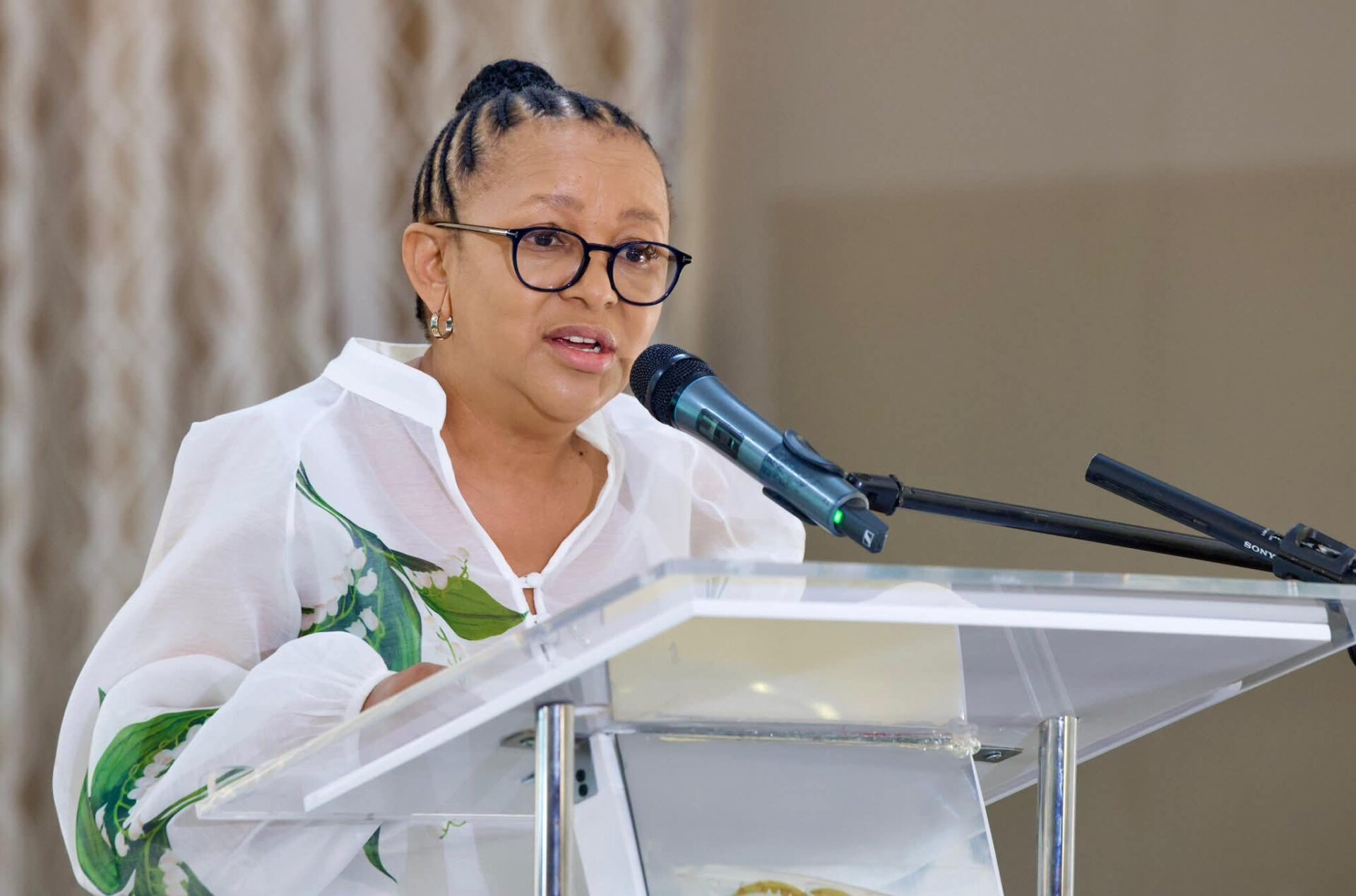
Letsoha-Mathae has reiterated the importance of using government procurement to advance women’s economic participation.
“We must be deliberate in using government’s fiscal power not only to develop women, but also to ensure they become serious economic players,” she said.
Across the Free State, women contractors continue to take part in a range of infrastructure projects, including road upgrades, school refurbishments and hostel renovations, further strengthening their position within the construction sector.