
By Emily Setona
QWAQWA — Eskom and the Maluti-a-Phofung Local Municipality (MAP) have intensified a joint turnaround plan to stabilize electricity supply, repair failing infrastructure and restore financial sustainability, urging residents to pay for power used and end illegal connections.
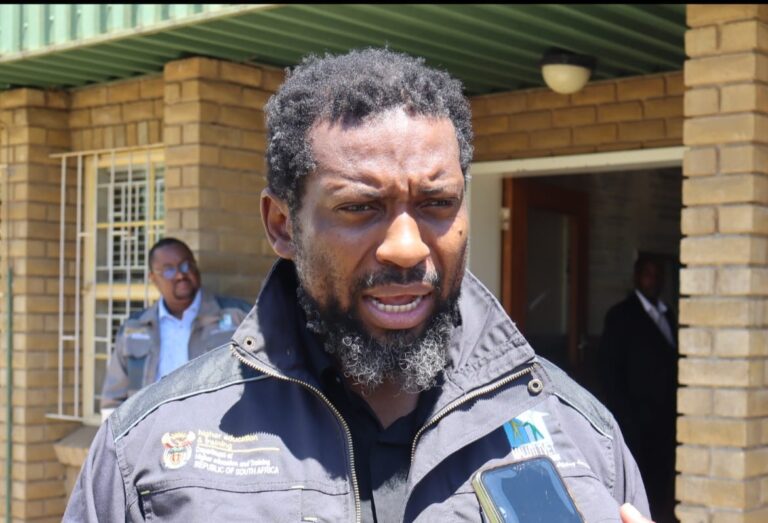
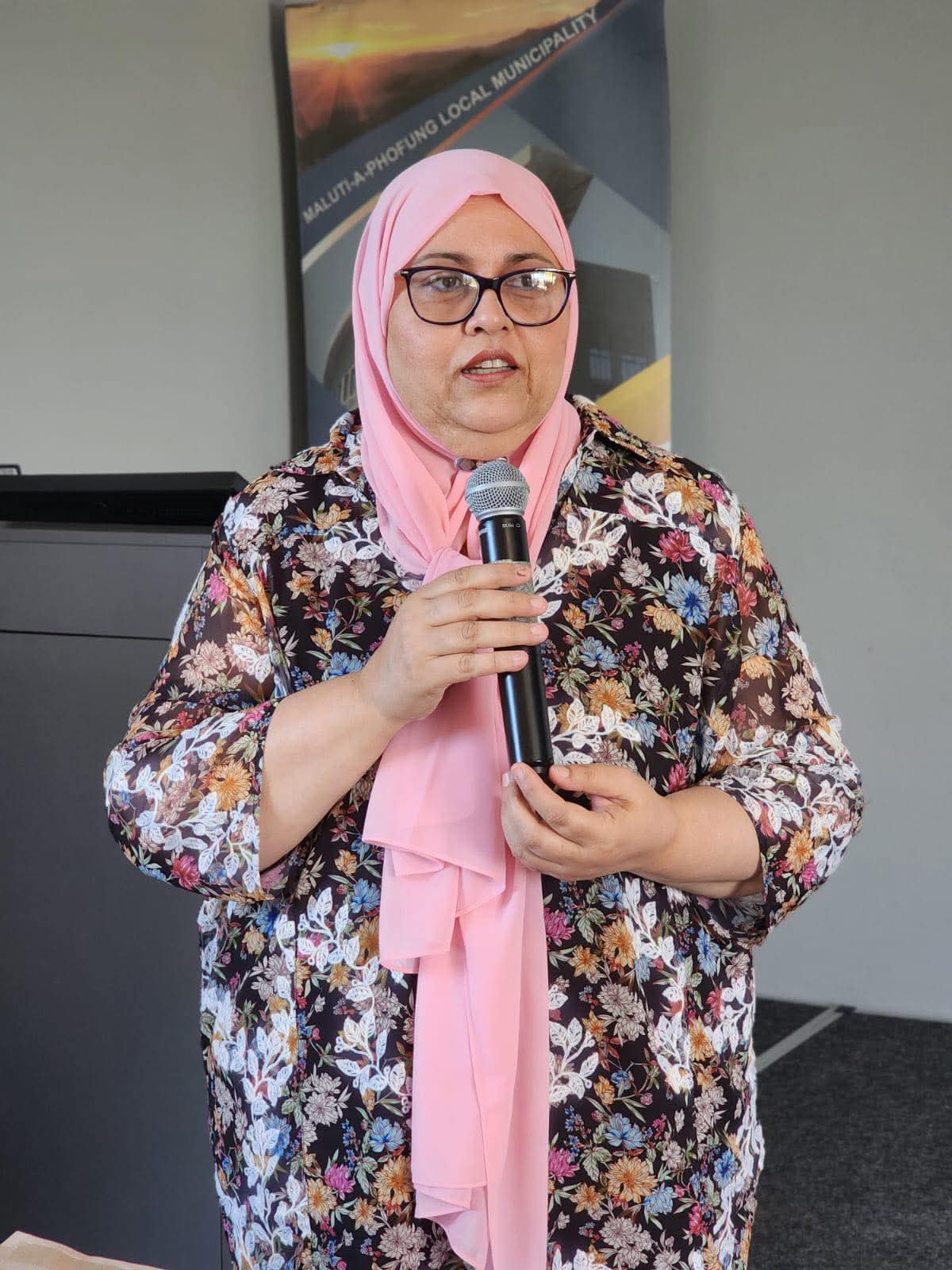
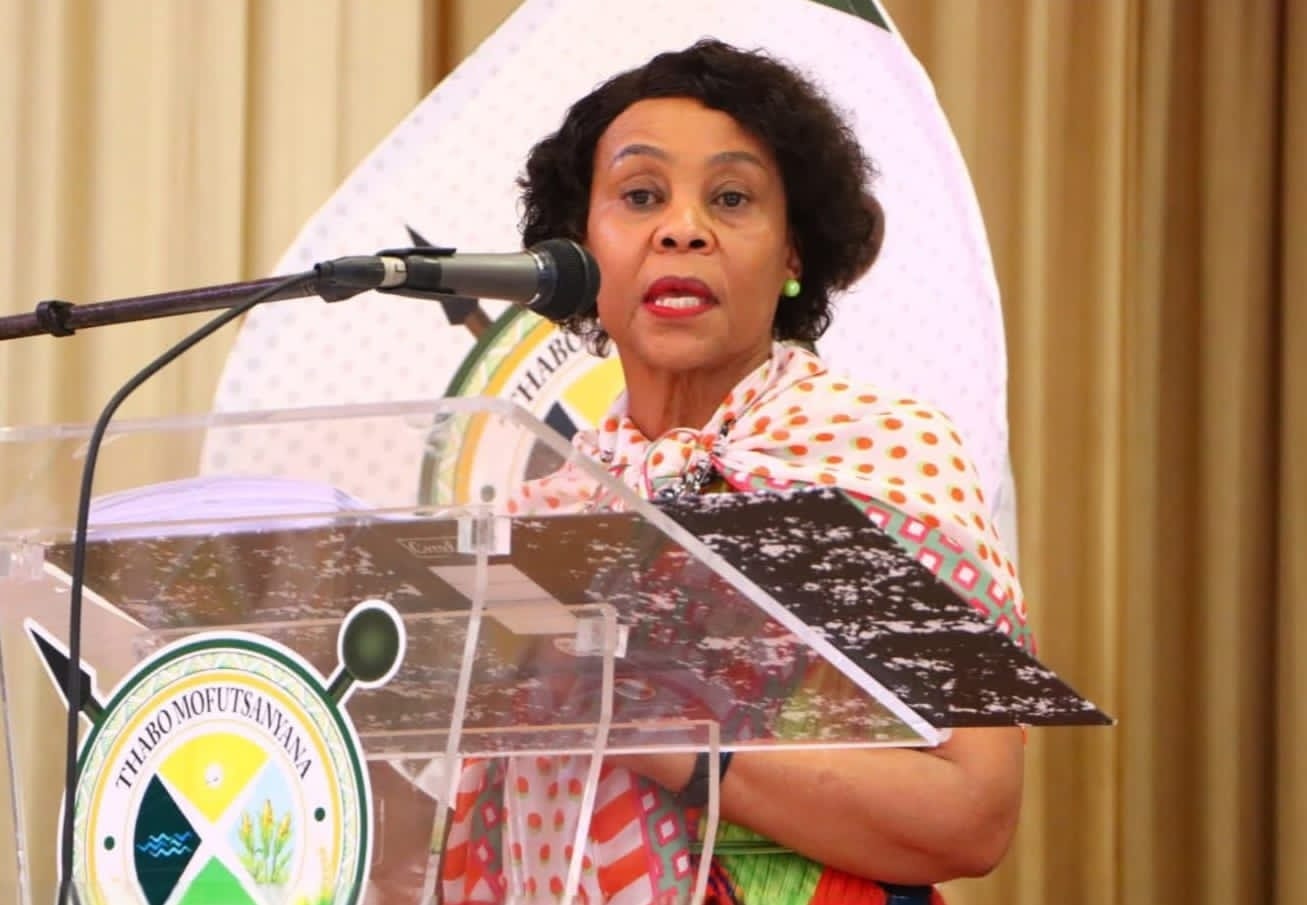
Addressing the municipality’s strategic planning session at UFS Qwaqwa on 3 February, Eskom Free State Senior Manager for Retail and Distribution Agency Agreement (DAA) project custodian Bibi Bedir said community cooperation is critical to the plan’s success.
Under the DAA, signed in May 2024, Eskom operates and maintains MAP’s electricity network, installs meters and collects revenue, while the distribution licence and ultimate accountability remain with the municipality. The agreement runs for at least eight years, extendable to 15.
Bedir said progress includes refurbished substations and lines, expanded metering and improved billing, but warned that non-payment and illegal connections continue to destabilise supply by overloading transformers, particularly in winter.
“If customers pay for what they use, we can reinvest in infrastructure, grow the local economy and create jobs,” she said, calling on residents to protect infrastructure and use electricity legally.
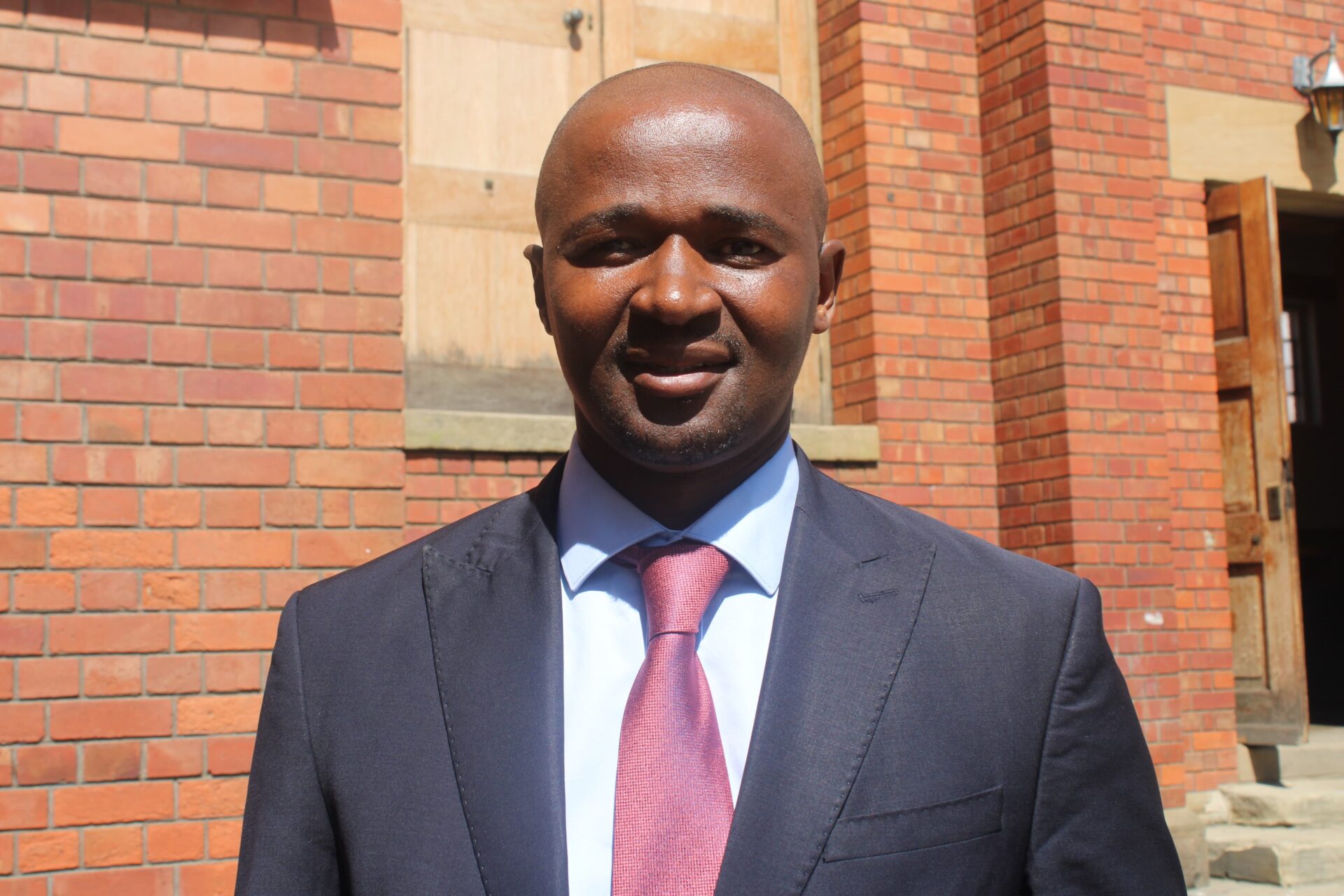
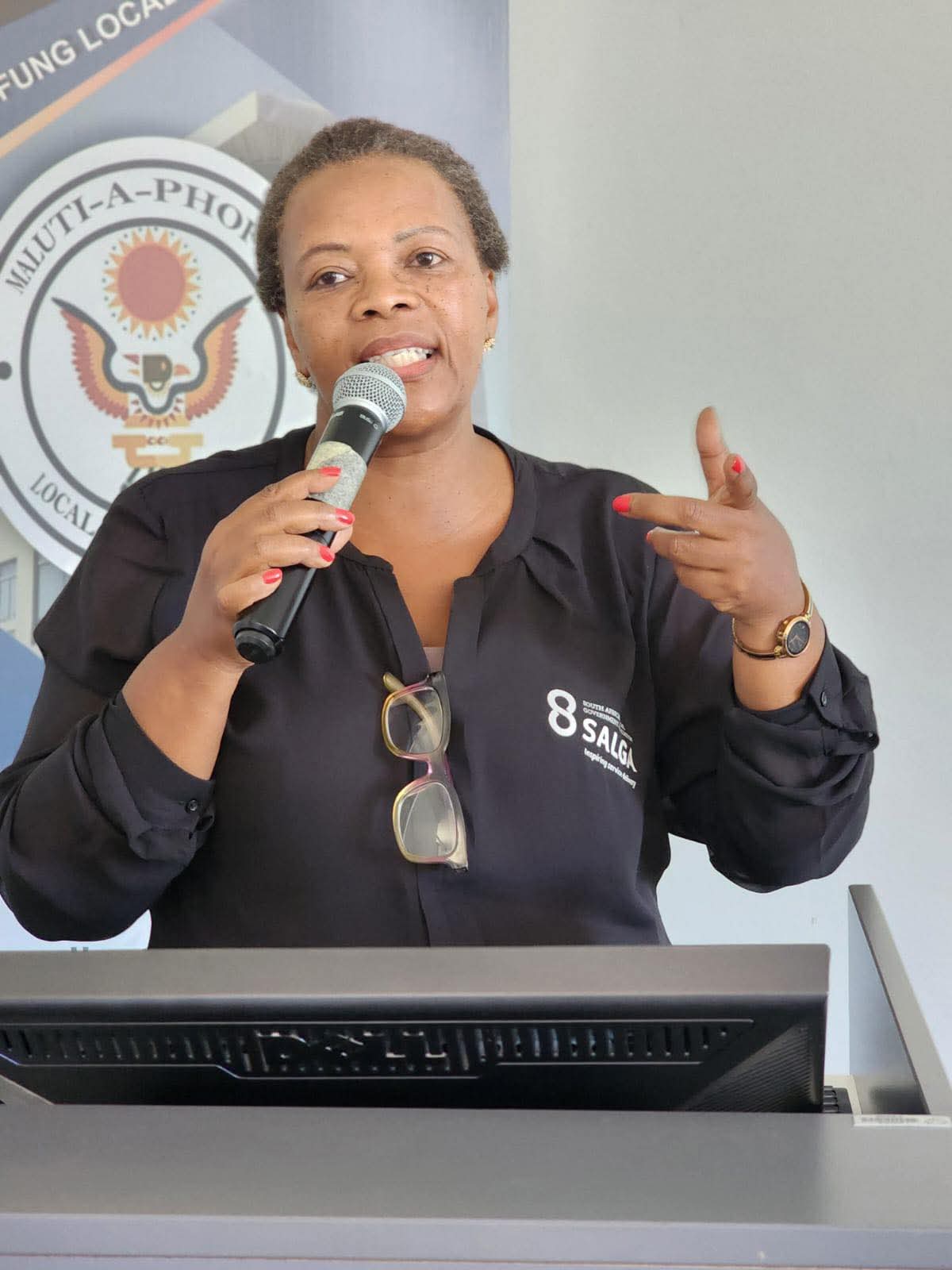
Executive Mayor Malekula Melato acknowledged persistent frustrations but said outages have reduced.
“Electricity still gives residents sleepless nights, but we are working closely with Eskom to deliver better services,” she said, adding that weather-related disruptions remain a challenge.
Eskom reported R20.3 million spent on network improvements, the reversal of R426 million in interest, and a freeze on monthly interest of about R17 million from February 2026 to February 2029 to ease MAP’s debt burden.
Smart meters have been installed in Kestell and Harrismith, substations refurbished, networks strengthened and the 6.6kV Bosbou line rebuilt, with further maintenance planned this month.
Skills development forms part of the plan, with 15 municipal electricity staff completing technical and safety training and a second cohort starting this month.
Both parties stressed that infrastructure investment alone will not fix the crisis, warning that lasting stability depends on a partnership with the community to pay for services, stop illegal connections and safeguard public assets.