
By Emily Setona
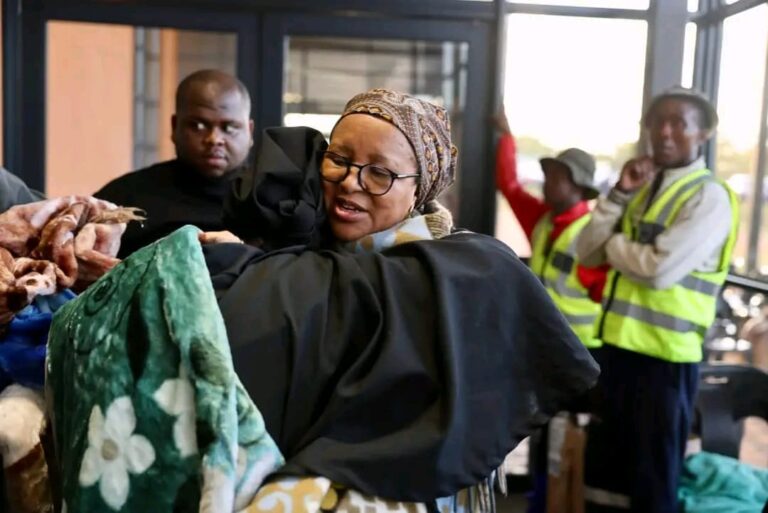
QWAQWA – Maluti-a-Phofung has secured a rare and powerful voice at the heart of South Africa’s climate policy-making after Mofumahadi Neo Mopeli was appointed as one of 25 commissioners to the Presidential Climate Commission (PCC) for the 2026–2030 term.
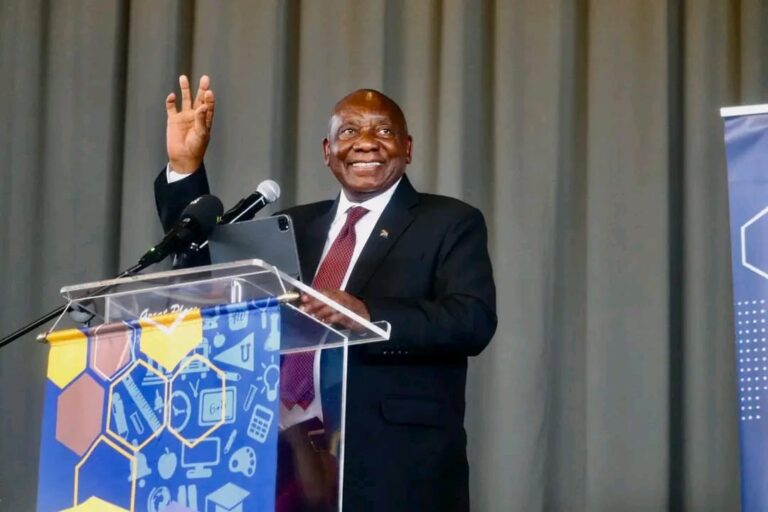
President Cyril Ramaphosa announced the new cohort on Friday, 2 January 2026, following a public nomination process conducted in line with the Climate Change Act of 2024.
Presidential spokesperson Vincent Magwenya said the appointments reflect a broad cross-section of South African society, drawing expertise from business, labour, civil society, youth, local government and traditional leadership.
Mopeli’s appointment is widely seen as a breakthrough for rural communities, indigenous knowledge systems and traditional leadership, which have historically been sidelined in national policy debates on climate change and the just energy transition.
A queen and admitted attorney, Mopeli brings a rare blend of customary authority, legal expertise and community-based leadership to the PCC at a time when South Africa is grappling with the social and economic consequences of climate change.
In an exclusive interview with The Guard, Mopeli described the appointment as both an honour and a heavy responsibility.
“The Presidential Climate Commission is a multi-stakeholder body that brings thought leaders from different sectors around one table to shape policy that will guide South Africa’s just energy transition,” she said.
“I am privileged to sit alongside captains of industry and change-makers, but more importantly, I am there to carry the voices of communities that rarely get the opportunity to be represented at these tables.”
She stressed that her mandate is firmly rooted in inclusivity and consultation, particularly for communities under her traditional authority and other marginalized groups.
“Those who are often voiceless are present through me,” Mopeli said.
“This is how we are redefining traditional leadership — by ensuring it belongs where decisions that affect people’s lives are made.”Mopeli’s PCC appointment adds to an expanding national leadership profile.
She is a recent recipient of the 40 Under 40 Philanthropy and Charity Award, presented by the Minister of Women, Youth and People with Disabilities in partnership with the National Youth Development Agency.
She also serves as a board member of the National Arts Council and sits on oversight committees at entities such as the South African Weather Service, contributing to governance at the intersection of climate science, public safety and accountability.
Despite her national footprint, Mopeli remains deeply rooted in QwaQwa. She has spearheaded a digitisation drive within the Bakoena Royal Council, modernizing customary records, improving access for community members and connecting traditional leadership structures to national and international platforms.
Her community work includes food relief programmes, school donations, skills development initiatives and support for local health services, including donations of toys and educational resources to the children’s ward at Manapo Hospital.
While acknowledging that charity provides only short-term relief, Mopeli said her focus is increasingly on sustainable development.
“Our priority is to create economic activity and employment so communities can become self-sufficient, without falling into cycles of dependency,” she said.
Her presence on the PCC brings a human, community-centred perspective to climate governance, bridging the gap between national policy and lived realities in rural South Africa.
“As a traditional leader and an attorney, I bring both legal insight and an on-the-ground understanding of community dynamics,” Mopeli said.
“I am grateful for the confidence placed in me to contribute where policy is shaped, and I intend to represent all people — inclusively, consultatively and with integrity.”
For Maluti-a-Phofung and QwaQwa, Mopeli’s appointment is more than symbolic. It represents a long-overdue seat at the table for communities that have stood on the margins of national decision-making — now speaking directly into South Africa’s climate future