
By Emily Setona
QWAQWA – A powerful silence gripped the University of the Free State’s Qwaqwa Campus on Wednesday as renowned historian Professor Nwando Achebe delivered a hard-hitting Africa Day Memorial Lecture that challenged Africans to confront what she called the continent’s “unfinished freedom.”
Speaking under the theme Gender as African Archive: Power, Authority and Reckoning on Africa Day, Achebe delivered an emotional and uncompromising address on gender, colonialism, memory and liberation before a packed audience of students, academics, traditional leaders and community members.
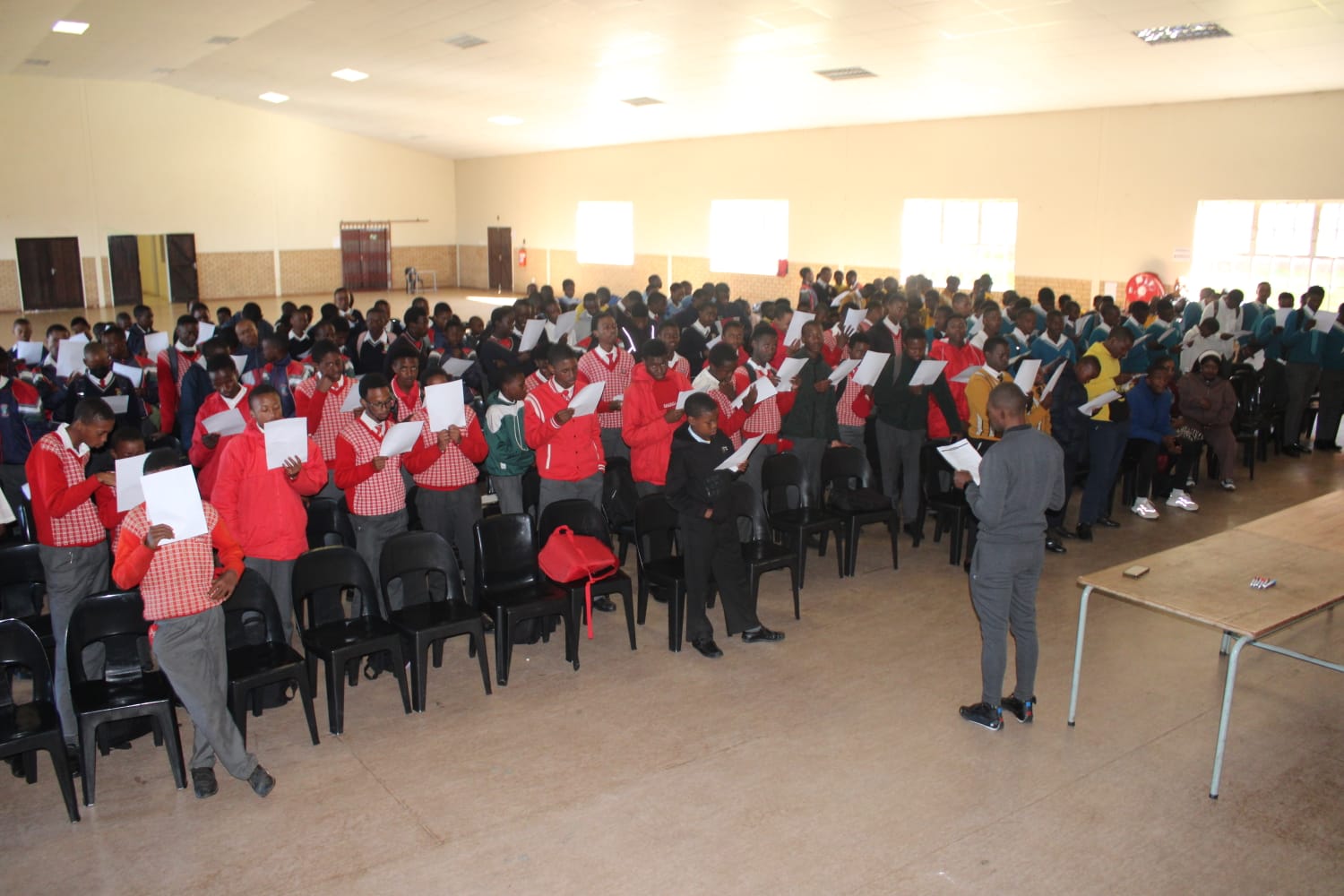
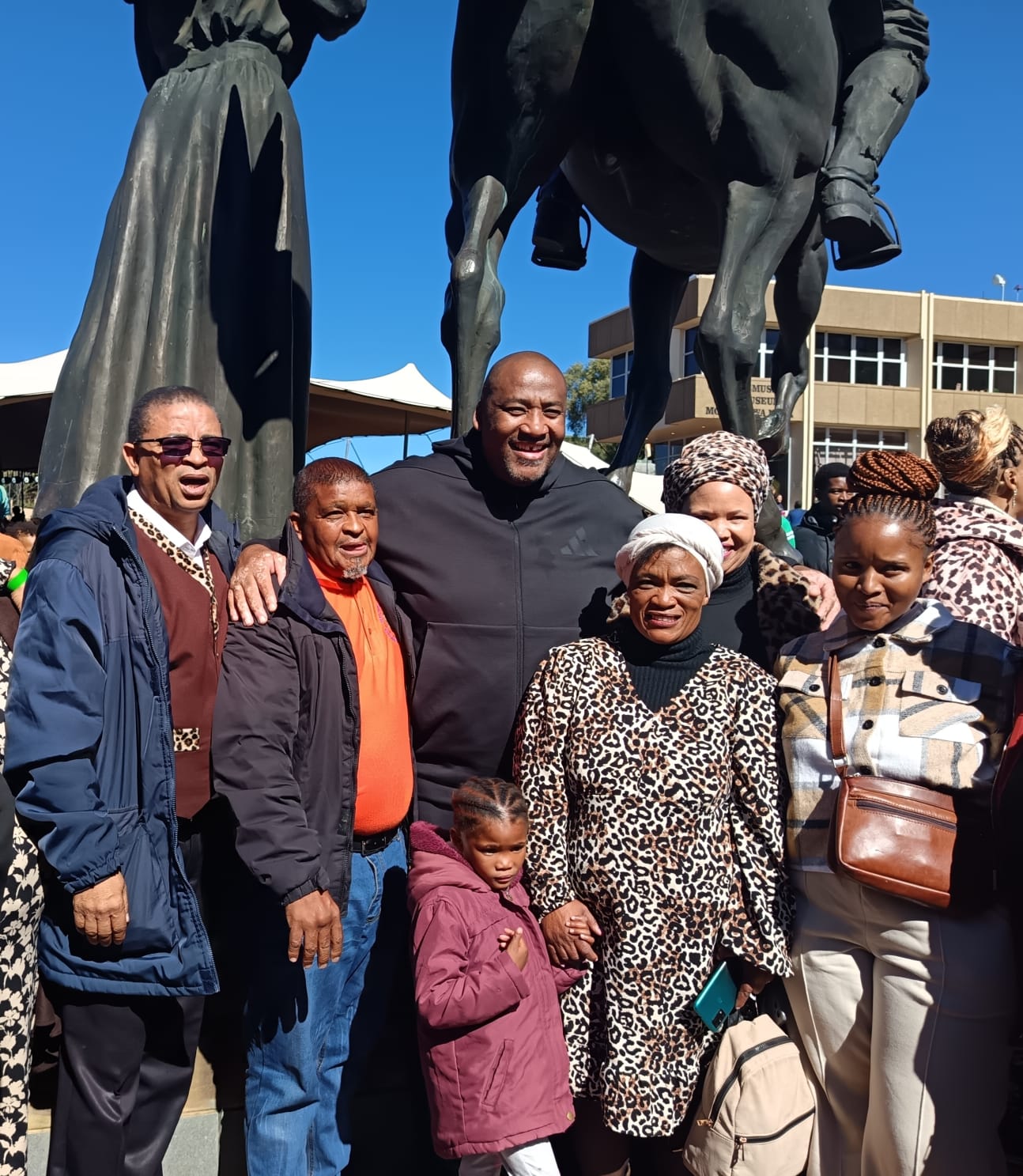
Representatives from the Bakoena, Batlokoa ba Mota, Tsotetsi and Makholokoe royal houses joined university leaders and residents at the event, while others followed through a livestream.
Opening the programme, UFS Deputy Vice-Chancellor for Research and Internationalisation Professor Vasu Reddy warned that political independence alone could never guarantee true liberation.
“Africa Day is both historical and forward-looking,” said Reddy.
“It invites all of us to rethink independence not simply as a political event, but as an ongoing project of social, cultural and esteem transformation.”
He praised Achebe for restoring the histories of African women erased from mainstream narratives.
“Gender is not marginal or peripheral,” he said.
“It is foundational to understanding African authority, governance and identity.”
Achebe’s lecture became a fierce reckoning with post-colonial Africa, as she argued that colonialism not only stole land and political power but also reshaped African memory and reinforced the policing of women’s lives and leadership.
“What had been an institution became custom,” she said.
“Power sought a narrower battlefield. It entered the home, it entered marriage, it entered the body itself.”
She accused African societies of preserving oppressive systems under the guise of tradition.
“We kept the laws, we kept the shame, we kept the punishments, we kept the fear of women who choose, we kept the suspicion of women who lead. Then we called it tradition,” she said.
In one of the lecture’s most emotional moments, load shedding briefly plunged the venue into darkness, but Achebe continued almost uninterrupted, turning the blackout into a metaphor for buried histories and silenced voices.
“If women once became kings, why must so many still beg to lead?” she asked. “Did the flag become free while the household remained occupied?”
The lecture left many students visibly emotional, with several remaining seated long after the applause ended.
Head of the Centre for Gender and Africa Studies Professor Grey Magaiza urged attendees not to allow the conversation to end with the event.
He encouraged the audience to continue reflecting on the difficult questions raised during the lecture.
Achebe closed with a challenge that hung heavily over the gathering long after the programme ended.
“The deeper question,” she said, “is whether Africa is ready to defeat empire within itself.”