
By Emily Setona
QWAQWA – Foot-and-mouth disease (FMD) infections in the Free State continue to escalate, with 45 new cases confirmed across the province, pushing the total to 194 and prompting intensified quarantines, movement restrictions and an urgent mass vaccination drive.
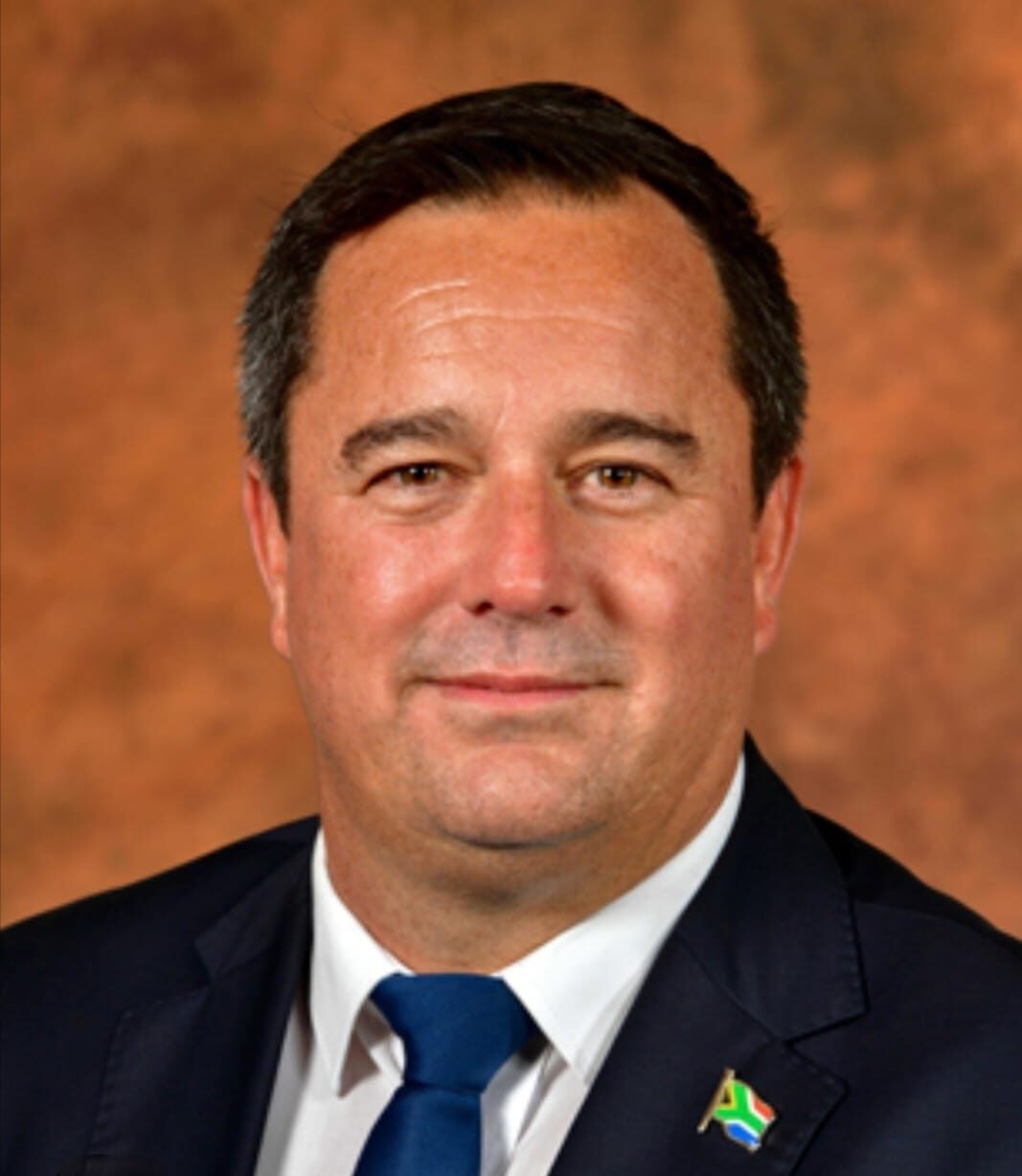
Agriculture Minister John Steenhuisen addressed the nation on 14 January, warning that decisive action and strict compliance are critical to containing the outbreak and restoring South Africa’s FMD-free status.
In a media statement issued on 9 January 2026, the Free State Department of Agriculture and Rural Development confirmed that the latest infections were detected in Heilbron, Deneysville/Sasolburg, Cornelia/Frankfort/Villiers, Tweeling, Bethlehem, Reitz, Vrede/Memel, Warden, QwaQwa/Harrismith, Hlohlolwane (Clocolan), Senekal, Odendaalsrus/Welkom, Bothaville and Marquard.
To date, 18 outbreak areas have been identified across 11 local municipalities, with the highest concentration of cases recorded in Viljoenskroon/Vredefort, Deneysville/Sasolburg and Parys/Vredefort.
Authorities have imposed strict movement restrictions on all farms within a 10km radius of infected properties. Confirmed sites have been placed under quarantine, while surrounding farms are under precautionary quarantine pending intensified surveillance.
The department confirmed that a standing purchase order for 130,000 vaccine doses has been secured with Onderstepoort Biological Products. Vaccinations will commence immediately once deliveries are received.
Officials warned that failure to comply with biosecurity protocols is significantly accelerating the spread of the disease.
“All farmers are reminded of their legal obligations under Section 11 of the Animal Diseases Act to take all reasonable steps to prevent the introduction and spread of controlled diseases,” the department said.
At a national level, Steenhuisen outlined a phased 10-year recovery plan aimed at regaining South Africa’s FMD-free status. The strategy combines targeted vaccination, enhanced surveillance and stringent animal movement controls.
“We have a plan that is both realistically achievable and technically sound,” Steenhuisen said, cautioning that vaccination “is not a silver bullet” but one component of a comprehensive control and eradication programme.
High-risk provinces, including the Free State, will be prioritised for mass vaccination, with authorities targeting up to 100% coverage in feedlots and dairy herds, and at least 80% coverage in communal cattle. The strategy will be reinforced through buffer zones and repeat vaccination campaigns.
Steenhuisen also confirmed partnerships with international vaccine suppliers, increased local production through the Agricultural Research Council and Onderstepoort, and the rollout of digital traceability systems and real-time heatmaps to monitor outbreaks.
“The success of this strategy relies on the cooperation of every citizen. Farmers must report cases immediately and adhere strictly to movement controls,” he said.
The department urged farmers, industry stakeholders and communities to report suspected cases without delay and to prevent illegal animal movements, warning that silence and non-compliance will only prolong the outbreak and delay economic recovery.