
By Teboho Moloi
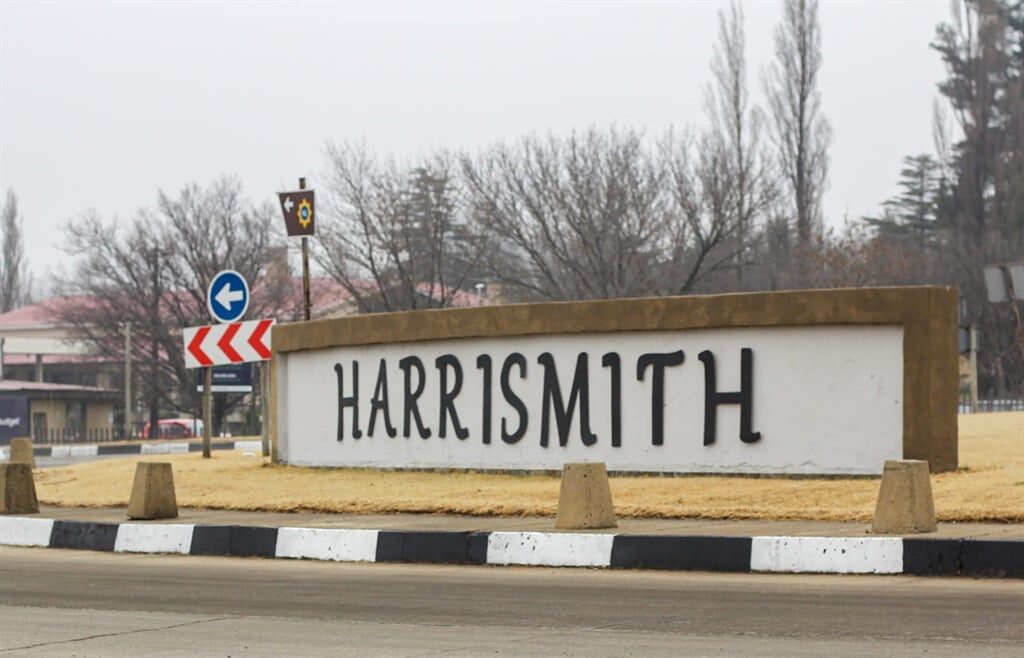
HARRISMITH — The Democratic Alliance (DA) in the Free State has thrown its weight behind a group of Harrismith, Tshiame and Kestell residents seeking to break away from the Maluti-a-Phofung (MAP) Local Municipality — a move now before the High Court.
The New Greater Harrismith Association has filed a review application asking the court to overturn a 30 July Municipal Demarcation Board (MDB) decision that kept the area within MAP.
The association argues residents have endured 25 years of collapsing infrastructure, failing services and economic decline under the municipality.
According to the association, broken roads, non-functional sewage plants, unreliable water and electricity supply have driven away investors and crippled job creation — conditions they say have persisted since MAP was formed in 2000.
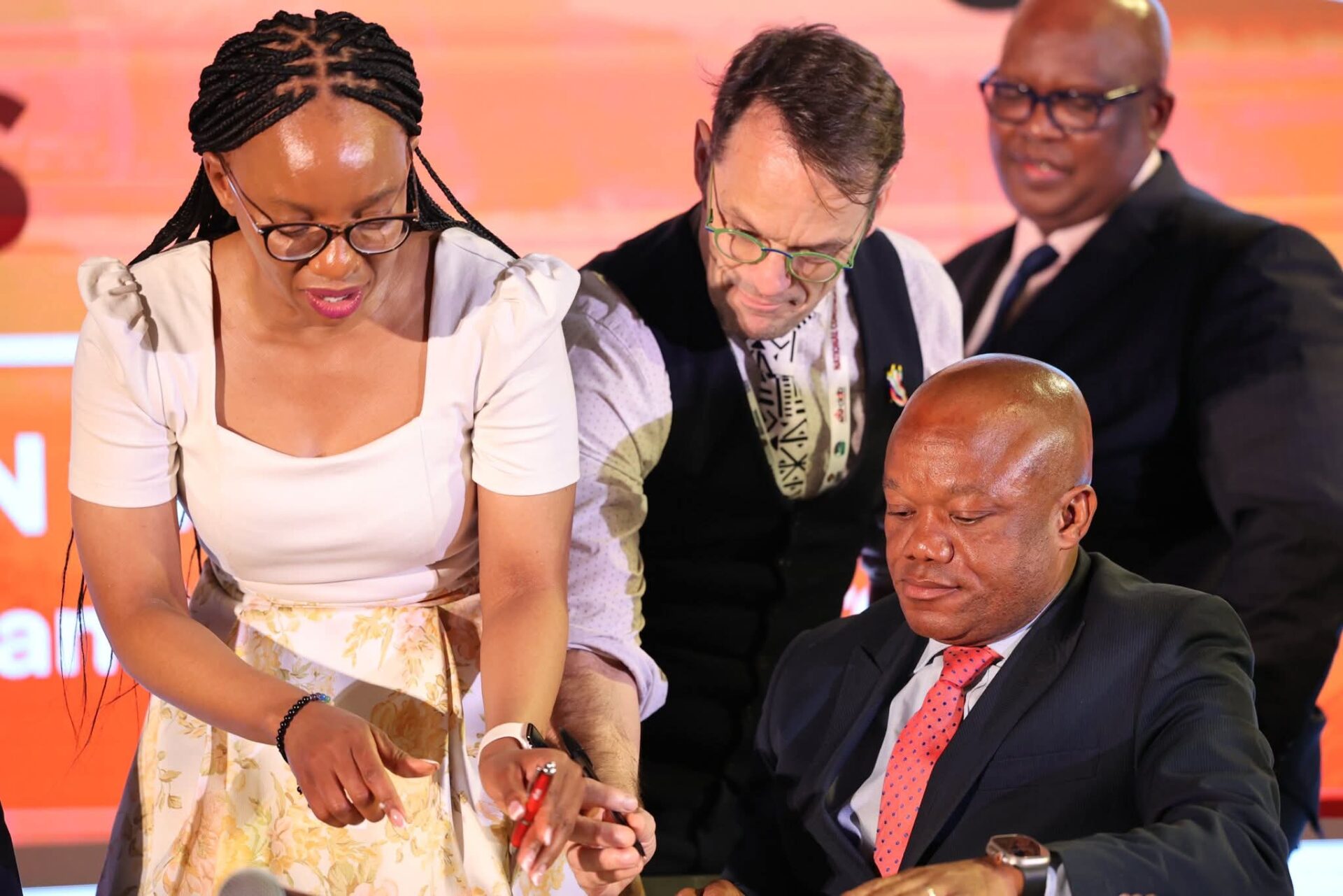
DA provincial leader Roy Jankielson says the party fully supports residents who “can no longer carry the burden” of what he called one of South Africa’s 10 most distressed municipalities, unable to meet even its most basic obligations.
He said the MDB’s own 2023 research pointed to MAP’s structural unviability, yet the board ignored its findings.
“The MDB’s 1999 decision to merge four transitional councils — including the former QwaQwa homeland — into one vast municipality was flawed from the start. MAP was economically unviable from day one,” Jankielson said.
He added that MAP currently owes R500.3 million to MAP Water and more than R9.7 billion to Eskom. By November 2025, the municipality had spent only 8% of its R199.5 million Municipal Infrastructure Grant due to capacity failures.
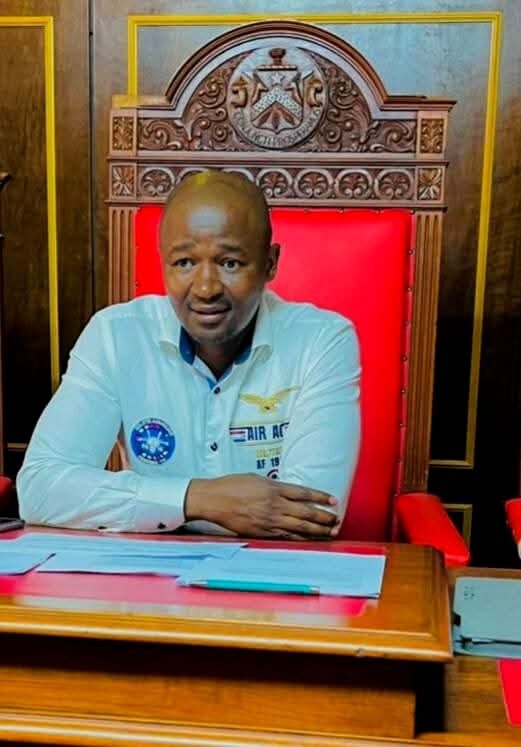
MAP has rejected claims of neglect.Spokesperson Thabo Kessah conceded the municipality faces challenges “like any other” but insisted MAP is delivering projects.
He said each ward has at least one ongoing development initiative.
In Kestell’s Section 5, the bulk-water project was completed in December 2022, while upgrades to the Sterkfontein water scheme are underway to improve supply across Harrismith, Makholokoeng, Kestell and Phuthaditjhaba.
Jankielson, however, maintains the crisis demands a fresh look at municipal boundaries.
“With widespread dysfunction across many Free State municipalities, we must consider smaller, more manageable municipalities that can actually deliver services,” he said.