
By Emily Setona
BLOEMFONTEIN – The Electoral Commission of South Africa (IEC) has urged journalists, communicators and civil society to act as a frontline defence against misinformation ahead of the 2026 local government elections.
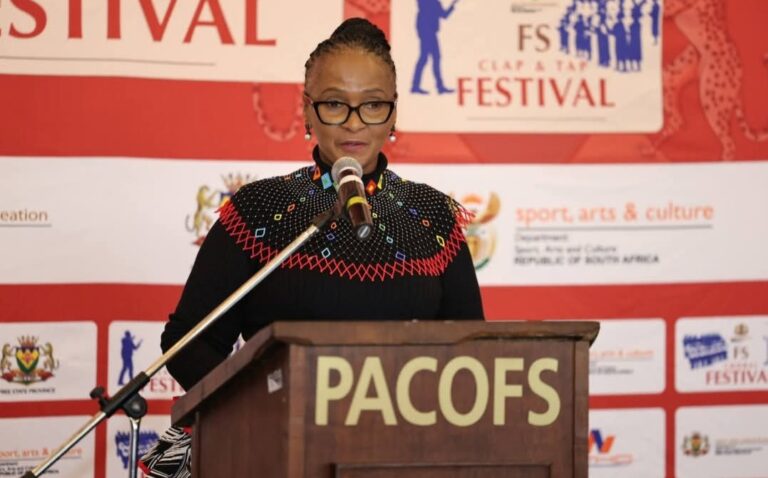
Speaking at the IEC’s Free State Thought Leadership Session in Bloemfontein, newly appointed provincial commissioner Titi Pitso said partnerships with the media are critical to protect electoral credibility as false content spreads faster and wider online.
“We need your support to ensure communities receive accurate information,” Pitso said, warning that artificial intelligence is making manipulated images, audio and video harder to detect.
Government Communication and Information System official Senatle Chweneemang said misinformation spreads rapidly on closed platforms such as WhatsApp and Telegram, requiring constant monitoring and early intervention.
Africa Check researcher Cayley Clifford cautioned that election-related falsehoods suppress voter turnout and can fuel unrest, while repeated lies erode trust in institutions over time.
IEC deputy chief electoral officer Dr Victor Shale warned that South Africa is not immune to a global decline in democratic trust, urging citizens to verify information before sharing it.
The panel, which included experts from University of Cape Town, Council for Scientific and Industrial Research and Moxii Africa, agreed that safeguarding elections requires coordinated action by government, researchers, media and communities.
As election preparations intensify, the IEC’s message was blunt: defending the vote starts with defending the truth.