
By Emily Setona
QWAQWA – A heated debate has erupted over the true history of Botshabelo following controversial claims made by Thembeni Nxangisa. The dispute, now a focal point in political and historical discussions, has drawn sharp responses from Maluti-a-Phofung (MAP) council chief whip Moeketsi Lebesa and emerging farmer and community leader Bohlale Moloi.
At the heart of the issue is Nxangisa assertion that Botshabelo was created solely as an apartheid-era strategy to push black people to the outskirts of urban centers. However, historical records and firsthand accounts present a different narrative—one of resilience, forced displacement, and political intervention that shaped the town’s identity.
Lebesa refutes Nxangisa claims, arguing that Botshabelo’s origins stem from necessity and self-determination rather than state-imposed segregation. In the 1970s, Basotho-speaking people from surrounding farms settled in Kromdraai, Thaba Nchu, then under the Bophuthatswana government. However, they faced systemic discrimination, including denial of essential services such as education.
During this period, community leaders, including Seisa Ramabodu and N. Khomo, sought intervention from Qwaqwa’s then-chief minister, Dr. Tshiame Kenneth (TK) Mopeli. This led to a referendum, where the majority supported relocation. Two farms were expropriated, and Botshabelo was established—earning its name from Mopeli as a “place of refuge.”
From 1979 to 1989, Qwaqwa authorities made substantial efforts to develop the area, building homes, schools, clinics, a hospital, factories, and even a stadium. However, in 1989, the Supreme Court of Appeal ruled against Botshabelo’s incorporation into Qwaqwa, marking the beginning of its decline in development.
“We cannot distort history for political convenience. Botshabelo was not simply an apartheid dumping ground; it was a place where people sought safety and opportunities,” Lebesa asserts.

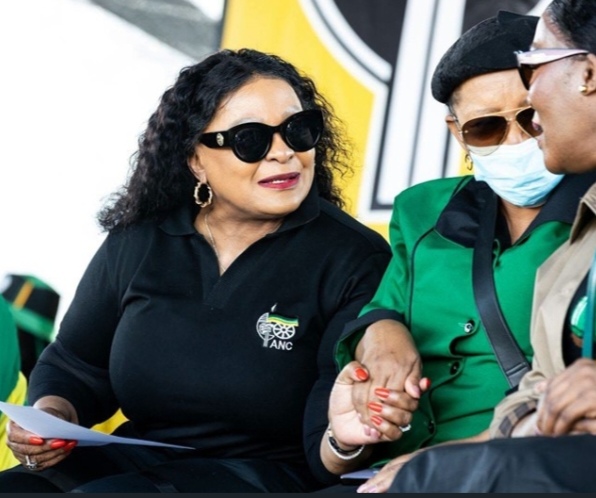
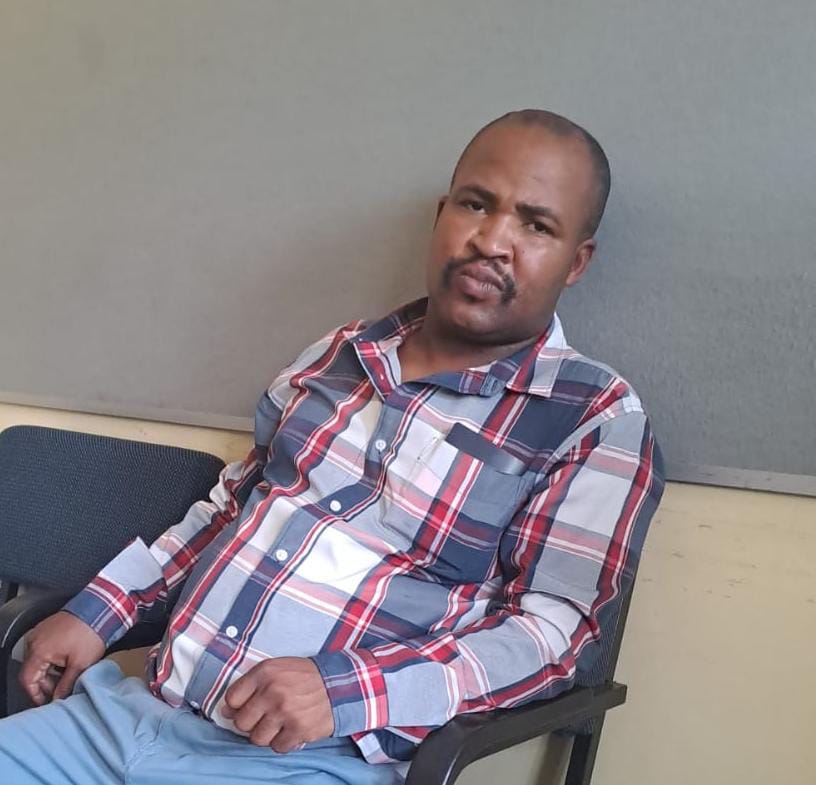
ANC member Thembeni Nxangisa.
The debate has also reignited a broader conversation about the reliability of oral tradition in historical narratives. Lebesa, a vocal political figure, recently sparked controversy with a voice note in which he criticized those who, in his view, misrepresent history through oral accounts.
His use of the Sesotho phrase “Letla le pepuwe,” often used to describe children born out of wedlock, has drawn criticism for its perceived tribal undertones.
This has led to a deeper discussion about the intersection of oral and written records in black historical discourse. While some argue that oral tradition preserves cultural memory, others contend that it is often susceptible to manipulation and distortion.
“I have observed that people alter their experiences when relaying them to others. Oral tradition, in my view, retains only 30% of verifiable facts, with the rest being shaped by personal bias and selective memory,” Moloi argues.
This skepticism toward oral accounts has sparked debate among historians and community leaders, many of whom emphasize the need to cross-reference oral narratives with documented history. However, others counter that written records themselves are often tainted by colonial influences, having been authored with specific political agendas.
The ongoing debate highlights the need for a nuanced approach to historical truth—one that acknowledges both written records and oral accounts without dismissing either outright.
Moloi and Lebesa agree on one point: Botshabelo’s history cannot be reduced to a single perspective. Whether through written documents, personal testimonies, or political records, the story of Botshabelo is one of struggle, resilience, and forced migration – elements that must be preserved with integrity.
As the conversation continues within the community, it is clear that Botshabelo’s legacy is not just a historical debate but a reflection of the broader tensions surrounding historical identity, memory, and political interpretation in South Africa.